Manchester United Converts 1,100 Seats to VIP Packages
Manchester United will reassign about 1,100 prime seats for VIP hospitality by August, affecting long-time season ticket holders.
Mehmet Şahinoğlu ·
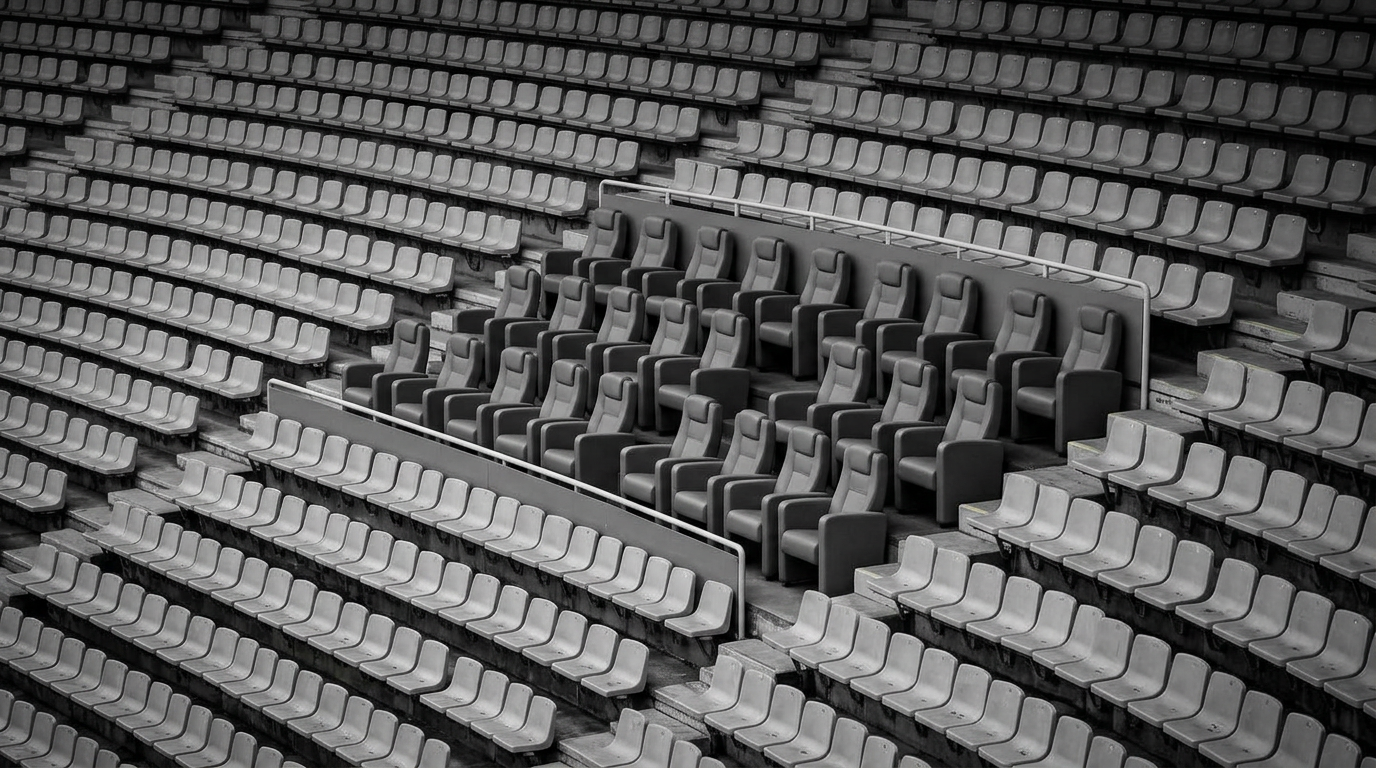
Manchester United is set to move around 1,100 supporters out of prime seats at Old Trafford as it expands premium hospitality offerings.
The club says the change will be in place by the start of the next Premier League season in August, affecting long-time season ticket holders in the Sir Bobby Charlton stand.
What is changing at Old Trafford
The seats being reassigned will be used for new VIP products that bundle matchday access with additional services.
Manchester United plans to sell those packages at prices ranging from £315 to £425 per person, with features including a three-course meal and upgraded seating.
Pricing and the revenue push
The club’s lowest-priced adult season ticket is £646, highlighting the gap between standard season access and the per-match hospitality pricing being introduced.
Manchester United has framed the reallocation as part of a broader effort to increase income, a priority that has been linked to the direction of Sir Jim Ratcliffe.
Ownership context and timing
Ratcliffe bought a minority stake in Manchester United in February 2024, and the seat changes are being implemented under his leadership.
The club has said it recognises the disruption and emotional impact for those who will be moved, and it has committed to trying to keep families and groups seated together during the process.
Supporter reaction and organised opposition
The decision has drawn criticism from some fans, including 76-year-old Tony Riley, whose family has held a seat since 1949.
Riley said the situation left him feeling powerless and treated unfairly, and he noted that his father-in-law played for Manchester United in the 1940s.
Concerns raised by fan groups
The Manchester United Supporters Trust (MUST) has opposed compulsory relocations when they are used to expand hospitality areas.
MUST has warned that moving season ticket holders can split up established groups and could lengthen waits for people seeking season tickets.
Why it matters for sport, business, and markets
The shift underscores a wider commercial trend in elite football: clubs increasingly rely on premium matchday spending to diversify revenue beyond broadcasting and sponsorship.
At the same time, the episode shows the operational risk of monetisation strategies that directly affect core supporters, where backlash can create reputational costs and pressure on club leadership.
Risks and what remains unclear
Manchester United has not detailed how many affected fans will be moved within the same stand versus elsewhere, or how it will prioritise keeping groups together in practice.
It is also not clear how quickly the new hospitality inventory will sell at the stated prices, making the near-term revenue impact difficult to assess from the available information.