Popeyes Franchisee Sailormen Files for Bankruptcy
Popeyes franchisee Sailormen Inc. filed for Chapter 11 bankruptcy on Jan 15, 2026, citing inflation, interest rates, and labor shortages.
Atlas Newsdesk ·
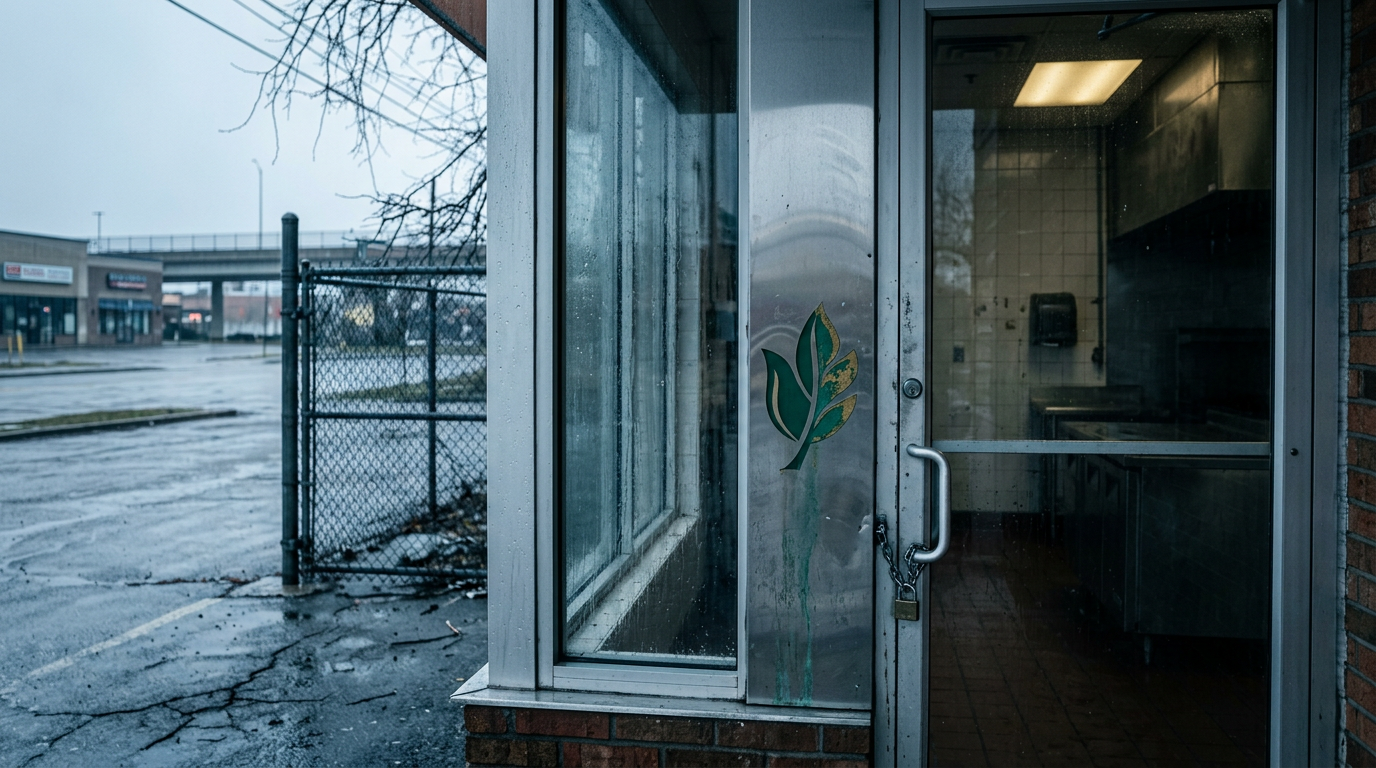
Sailormen Inc., a significant franchisee operating Popeyes restaurants, initiated Chapter 11 bankruptcy proceedings on January 15, 2026. The filing occurred in the U.S. Bankruptcy Court for the Southern District of Florida, following the closure of 20 underperforming locations across Georgia and Florida.
This strategic move aims to restructure the company's financial obligations and operational footprint. The decision to seek bankruptcy protection was primarily influenced by a confluence of macroeconomic challenges, including persistent high inflation, escalating interest rates, and widespread labor shortages.
### Operational Restructuring and Asset Sales
Prior to the bankruptcy declaration, Sailormen Inc. had already ceased operations at 20 sites. The company, which once managed over 136 Popeyes outlets, subsequently moved on March 10 to reject leases for three additional closed properties. This action followed 17 earlier lease rejections, indicating a broader effort to consolidate operations.
These closures, implemented within a week of the bankruptcy filing, are projected to yield annual savings exceeding $1 million in selling, general, and administrative expenses. The company is also pursuing the sale of its remaining assets through a Section 363 auction process. A motion to establish bidding and sale procedures was filed on March 13, outlining the path for asset disposition.
### Financial Pressures and Market Context
The bankruptcy filing by Sailormen, a wholly-owned subsidiary of Interfoods of America Inc., follows a period of financial distress. This included a failed attempt to sell specific restaurant locations, a default on its credit facilities, and involvement in several legal disputes. The company's objective through Chapter 11 is to reorganize its finances and operations to achieve long-term viability.
Despite these internal challenges, the broader fried chicken fast-food sector experienced a 3% increase in customer traffic for the year ending September 2025. This indicates that Sailormen's difficulties may stem more from specific operational and financial management issues rather than a general decline in market demand for its core product.
### Broader Economic Implications
The case of Sailormen Inc. highlights the ongoing pressures faced by businesses, particularly in the restaurant and hospitality sectors, from a challenging economic environment. High inflation erodes profit margins, while rising interest rates increase borrowing costs, making it difficult for companies to service debt and invest in growth. Labor shortages further exacerbate operational expenses and hinder service delivery.
This situation underscores the delicate balance businesses must maintain between managing operational costs, adapting to consumer demand, and navigating broader economic headwinds. The outcome of Sailormen's restructuring will be closely watched as a bellwether for other franchisees facing similar economic conditions.
Implications
Country Impact: The bankruptcy filing reflects broader economic pressures, including inflation and interest rate hikes, impacting the U.S. restaurant sector. It signals potential vulnerabilities for other franchisees operating in similar conditions.
Industry Impact: The fast-food industry, particularly franchisees, faces increased scrutiny regarding operational efficiency and financial resilience amidst macroeconomic headwinds. While overall sector traffic grew, individual operators can still struggle.
Market Impact: This event could lead to increased caution among lenders towards highly leveraged franchise operations. It also highlights the importance of robust financial management and adaptability in a volatile economic climate for publicly traded parent companies like Restaurant Brands International (RBI), which owns Popeyes.