Mideast Strife Disrupts Luxury Market, Supply Chains
Middle East conflict is weakening luxury sales, cutting demand in March and forcing brands to shift inventory and manage delivery disruptions.
Atlas Newsdesk ·
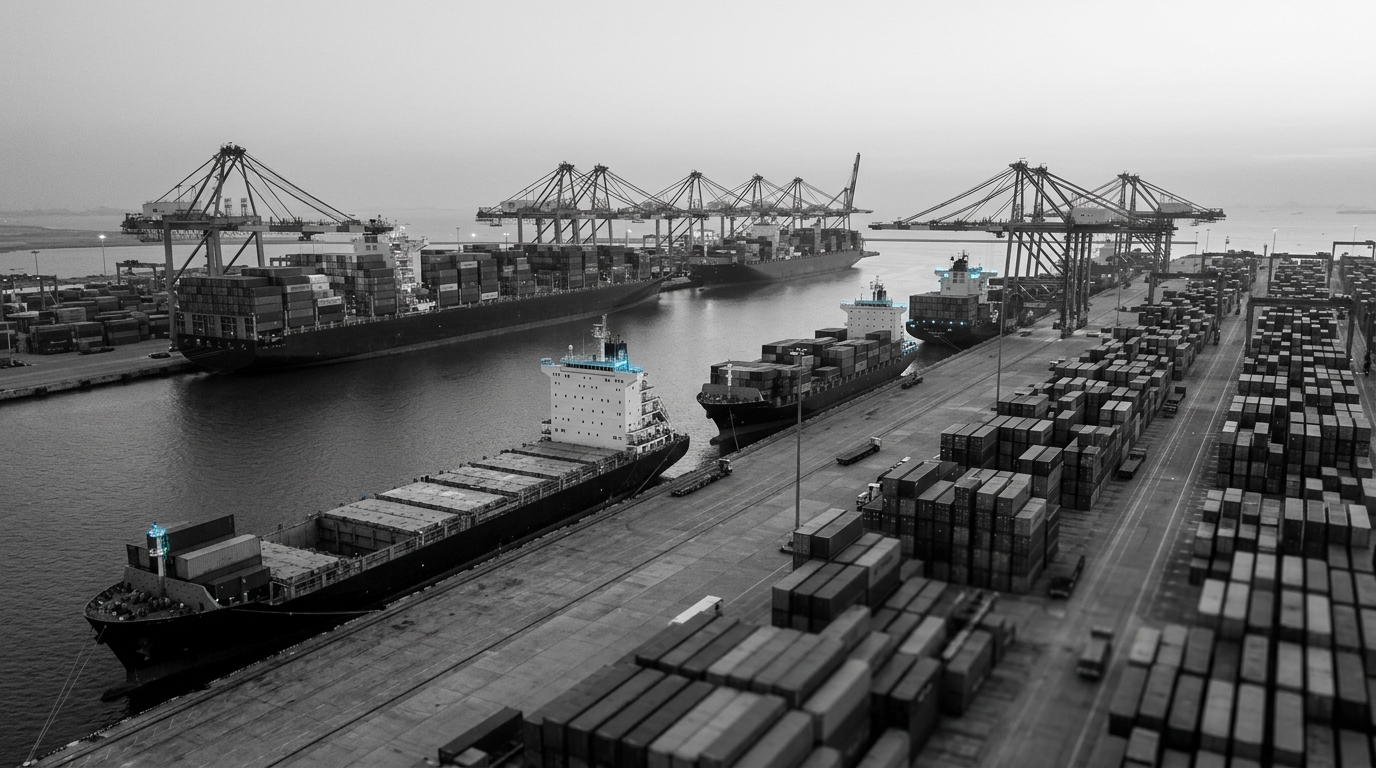
Luxury groups are reporting a sharp slowdown in Middle East demand as the ongoing conflict in the region disrupts shopping patterns, tourism flows, and deliveries. Over the past two months, the multibillion-dollar market for high-end products such as crocodile-leather handbags and diamond bracelets has weakened, pushing companies to adjust operations and rethink near-term regional plans.
Several major brands have described concrete steps to manage the disruption. Zegna Group has started shifting inventory out of the Middle East and into markets it views as more stable, including London and Paris. Executives across the sector have also pointed to softer store traffic and a more cautious consumer environment tied to the broader regional uncertainty.
LVMH Moët Hennessy Louis Vuitton said demand in the Middle East fell by as much as 70 percent for some brands during March. Kering, the owner of Gucci and Saint Laurent, reported an 11 percent revenue decline last quarter, even after what it described as a strong start to the year. The figures underscore how quickly conditions changed for a region that had been treated as a key driver of growth.
Hermès said it has seen fewer tourists from the Middle East shopping in its European stores, with Paris highlighted as a key location affected by the drop in travel. The company also faced delivery complications to third-party stores in Qatar, Bahrain, and Kuwait, adding a logistics challenge to the demand slowdown. Separately, Brunello Cucinelli stores recorded a 50 percent drop in March, reflecting weaker foot traffic during the period cited by executives.
Before the conflict, the Middle East had been positioned as an important expansion market for luxury, with annual sales rising by up to 8 percent. Brands had invested heavily by building retail networks in cities including Dubai, Abu Dhabi, and Doha, while also expanding e-commerce offerings to reach customers beyond flagship locations. Those investments were designed to capture both local spending and tourist purchases, which companies now say have slowed significantly.
What it means for markets and strategy is a near-term rebalancing of inventory, staffing, and distribution toward regions where demand is steadier, while companies monitor when travel and shopping normalize. The situation also highlights how luxury sales can be sensitive to sudden shifts in tourism and cross-border logistics, especially when brands rely on third-party retail partners in multiple Gulf markets.
Uncertainty remains around the duration of the disruption and how quickly tourism and store traffic recover. Even so, luxury executives have said they remain constructive on the region over the long term and expect growth to resume once stability returns.