LSU Finalizes Roster, Blocks Former NFL Players' Return
LSU has finalized its 105-player football roster, preventing the addition of former NFL players Dae'Quan Wright and Zxavian Harris this season, despite a…
Mehmet Şahinoğlu ·
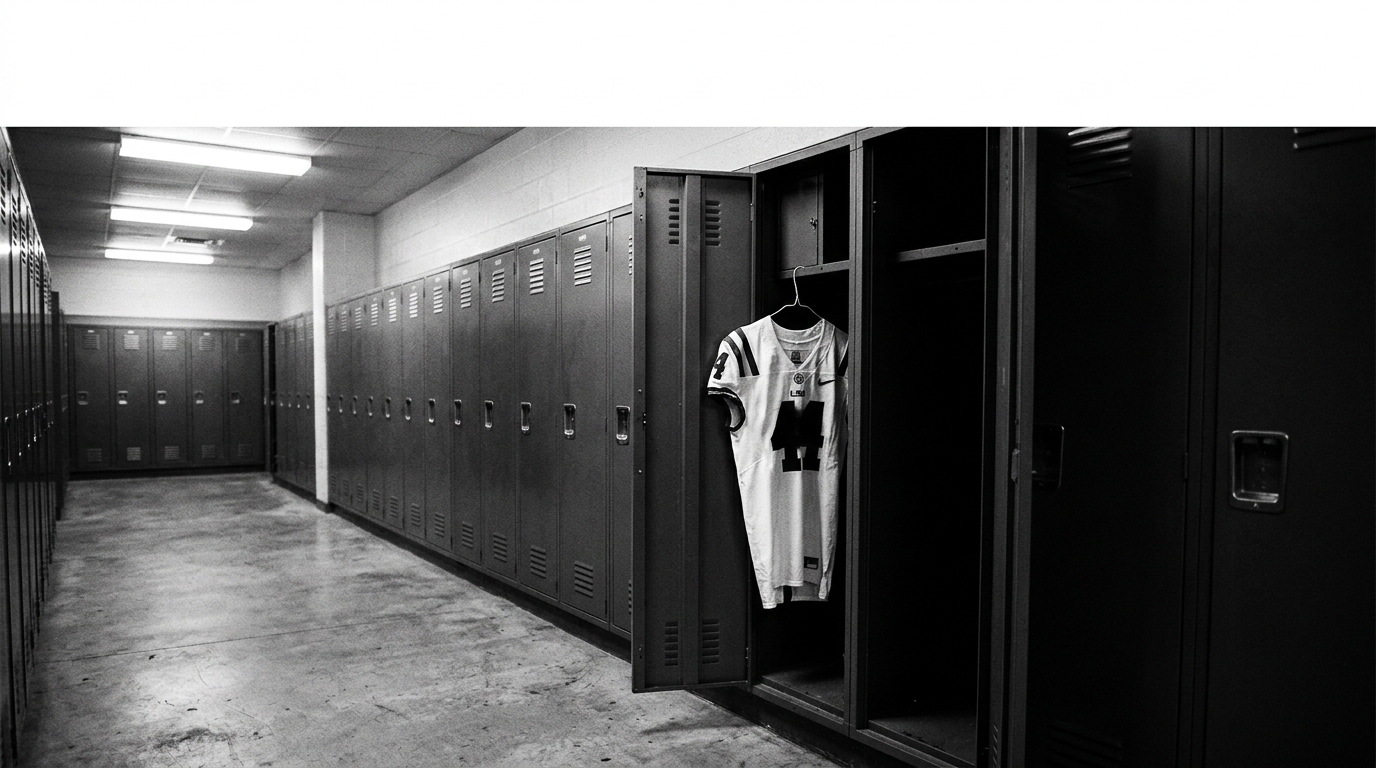
Louisiana State University (LSU) football program has finalized its 105-player roster, effectively ending efforts to add former NFL players Dae'Quan Wright and Zxavian Harris for the current season. This decision comes despite a recent court ruling that temporarily blocked NCAA and SEC eligibility restrictions.
LSU Reaches Roster Limit
LSU added two players to its roster, reaching the maximum limit of 105 sources. This action prevents the team from integrating Wright and Harris, who had previously signed NFL contracts, into the collegiate lineup for the remainder of the year. Head coach Lane Kiffin had explored bringing in at least three players with professional experience for the 2026 season.
Eligibility Rules Challenged in Court
The Southeastern Conference (SEC) prohibits players from joining the league after signing a professional contract and restricts intra-conference transfers outside designated windows. LSU's attempts to add the former NFL players challenged these rules. A Baton Rouge judge, William Jorden, issued a preliminary injunction last week, preventing the NCAA and SEC from penalizing schools that field former professional players. This ruling initially appeared to clear a path for the players to participate in an upcoming game against Clemson.
Team Opts Against Immediate Additions
Despite the favorable court ruling, LSU chose not to add Wright and Harris to the roster for the Clemson game. The team had initially listed 103 players, leaving two open spots. However, the subsequent decision to fill those remaining spots with other players signals a definitive end to the pursuit of the former NFL athletes for this season.
Broader Implications for Collegiate Sports
The LSU situation highlights ongoing tensions between collegiate programs and governing bodies like the NCAA and SEC regarding player eligibility and transfer rules. The legal challenge in Baton Rouge underscores a growing trend of courts intervening in sports regulations, particularly concerning player movement and professional experience. This case could influence future discussions on amateurism and transfer policies across college sports, potentially leading to further legal battles or rule adjustments.
Outlook for Player Eligibility and Transfers
If the preliminary injunction against the NCAA and SEC is upheld, it could set a precedent for other collegiate athletes with prior professional experience seeking to return to college sports. Conversely, if the injunction is overturned on appeal, existing eligibility rules would likely be reinforced, limiting such player movements. For LSU, the immediate impact is a finalized roster without the two specific players, but the broader legal landscape around player eligibility remains fluid. The outcome of the ongoing legal proceedings will shape how professional experience and transfer rules are applied in college football moving forward, affecting both individual athletes and institutional recruitment strategies.