Lockheed, GM Signal Defense Production Surge with Rapid PAC-3 Delivery
A sub-30-day component delivery from Lockheed Martin and GM Defense signals an acceleration in defense production, challenging assumptions about supply chain…
Jurgen Goldmeier ·
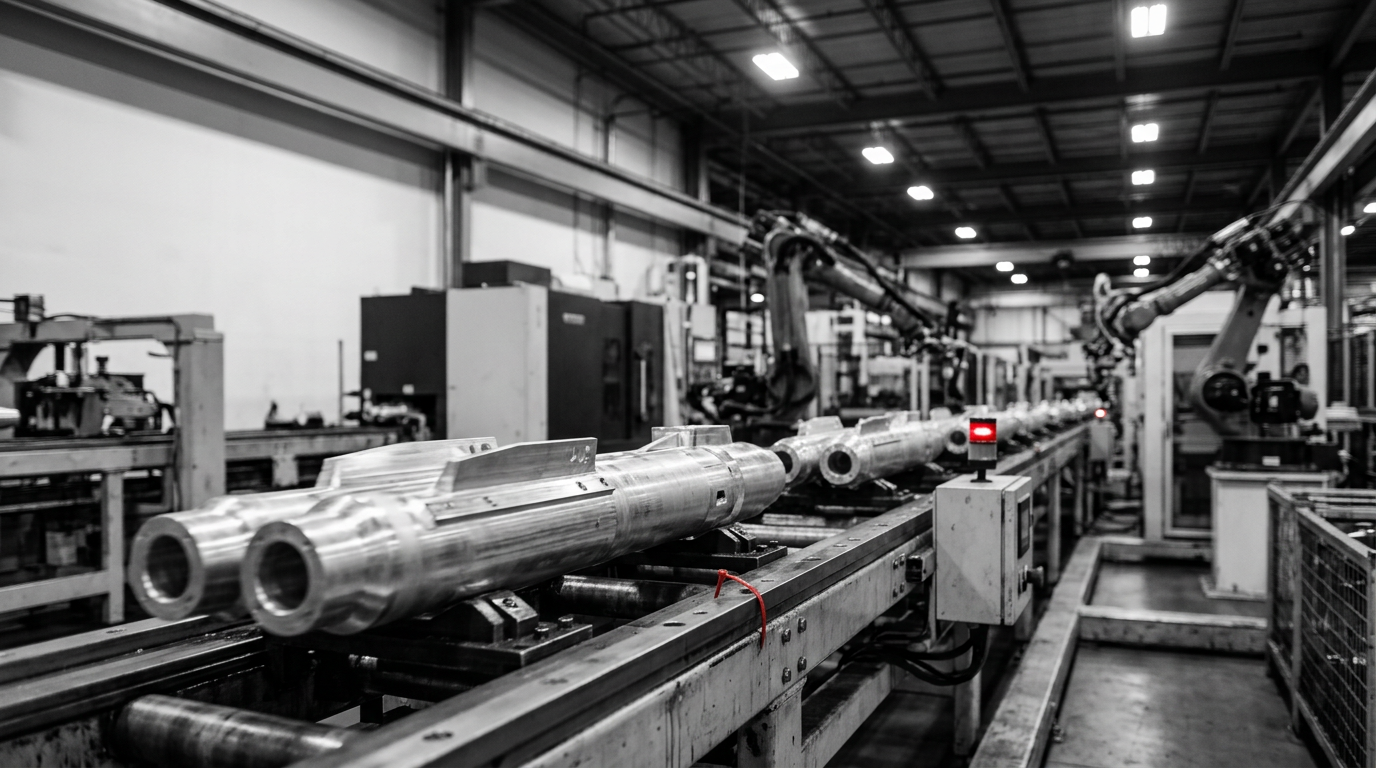
Lockheed, GM Signal Defense Production Surge with Rapid PAC-3 Delivery Less than one month. That is the time Lockheed Martin and partner GM Defense took to produce and deliver the first mission-critical components for the PAC-3 Missile Segment Enhancement (MSE) interceptor. The rapid execution on a key air defense program puts a hard number on the defense sector's ability to accelerate production, suggesting prime contractors are bringing new industrial capacity online faster than the market anticipates. ## Background Defense contractors have traded on the expectation of a sustained cycle of higher government spending, driven by geopolitical demand. Investors have been watching for signs that the industrial base can handle the increased volume, with contractor backlogs—the total value of contracted future work—serving as the key indicator of future revenue. The market has been pricing in potential bottlenecks, questioning how quickly firms like Lockheed Martin can convert these orders into sales and meet their official financial projections, or guidance. The PAC-3 MSE is a high-demand asset for missile defense, putting Lockheed's Missiles and Fire Control segment in focus. The partnership with GM Defense, a non-traditional defense player, was designed to broaden the manufacturing base and de-risk the supply chain. Today's announcement is the first tangible evidence that this strategy is yielding results, bringing automotive-sector scale and speed to a constrained defense industrial base. ## Why it matters The accelerated delivery schedule suggests revenue from key programs could be recognized sooner than models currently predict. For Lockheed Martin, this could translate directly to stronger-than-expected results in its Missiles and Fire Control unit. The read-through for the sector is that the industrial base may be more flexible and responsive than previously thought, allowing for faster absorption of large order books. This potentially pulls forward earnings across the defense supply chain. This development puts pressure on a skeptical view of the sector. Investors positioned for production ramp-ups to be slow and plagued by delays are now on the wrong side of this execution data point. If a legacy automotive manufacturer can be integrated to deliver critical missile parts in under 30 days, the thesis that supply chains are an insurmountable hurdle for defense growth looks weaker. ## What to watch The key test for this thesis will be Lockheed Martin's Q3 2026 earnings report and subsequent investor calls. The market will look for any upward revision to full-year guidance or specific commentary on PAC-3 MSE production rates and future order flow. If management confirms that the GM Defense partnership enables a systemic acceleration, it would validate a more bullish outlook for the entire sector. Conversely, if the event is framed as a one-off success or if guidance remains unchanged, it would suggest the production ramp remains a slow grind.