Midwest Tornadoes Cause Extensive Damage, Power Outages
Midwest tornadoes on April 23, 2026, caused extensive damage and power outages in Illinois and Indiana, prompting emergency declarations.
Ayla Demirhan ·
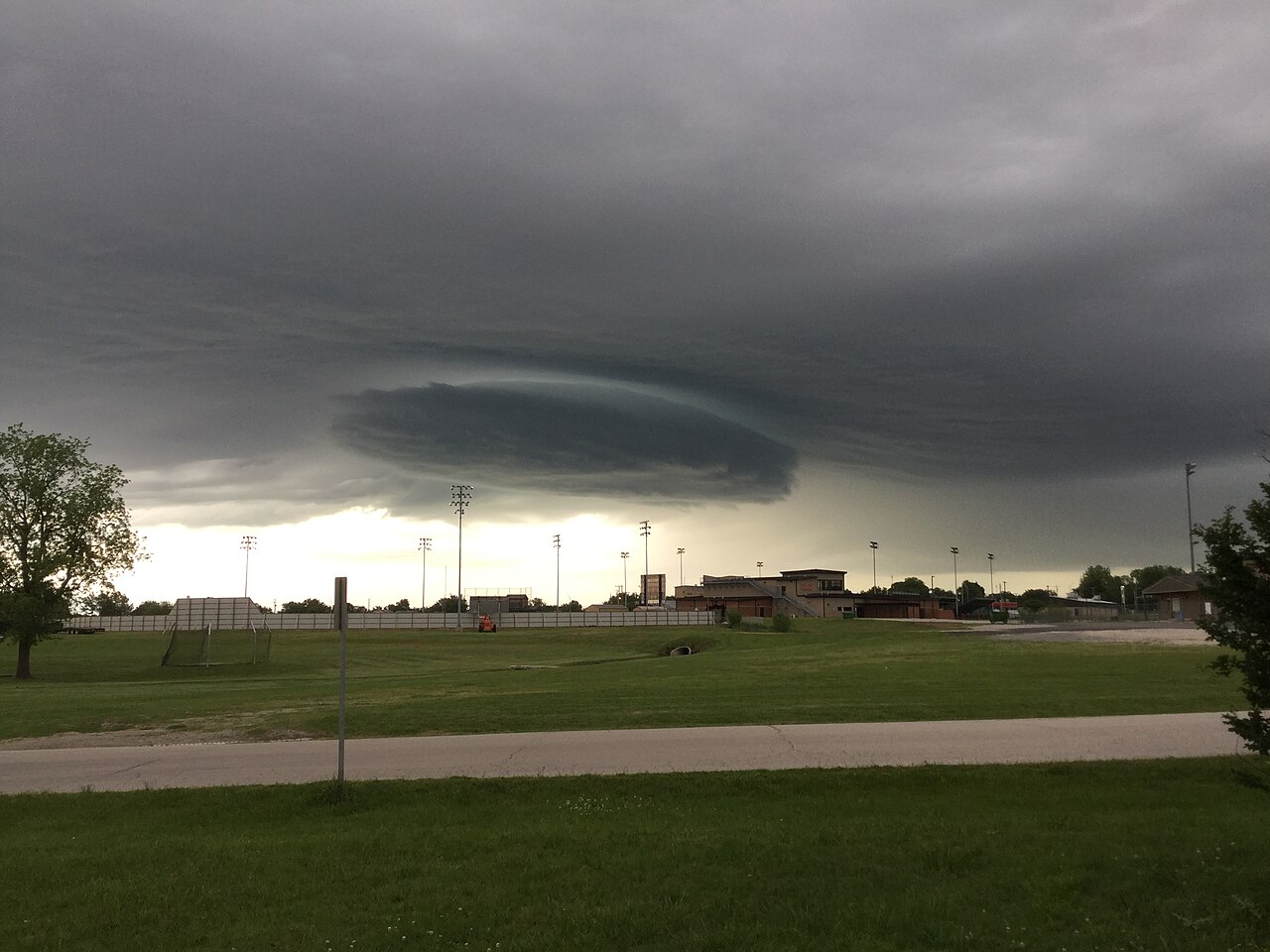
Multiple tornadoes and severe storms impacted the U.S. Midwest on Tuesday, April 23, 2026, leading to significant property destruction and widespread power disruptions across Illinois and Indiana. The weather event, which included the year's initial Tornado Emergency declaration, caused substantial damage to infrastructure in areas such as Kankakee, Illinois, and Lake Village, Indiana.
Local authorities in Kankakee County, Illinois, activated their Emergency Operations Center in response to the severe weather. They subsequently submitted an emergency disaster declaration to the State of Illinois, highlighting the extent of the damage. Despite the widespread destruction to buildings and property, initial reports indicated no fatalities or injuries as of late Tuesday evening.
Lake Village, Indiana, experienced a direct impact from the storms, with several residential structures reported as destroyed. Emergency services were deployed to assist residents displaced by the damage, and a local middle school was designated as a temporary shelter to provide support and resources for those affected.
The severe weather system resulted in tens of thousands of electricity customers losing power across northern Illinois and northwest Indiana. Regions near Kankakee, Rensselaer, and Knox were particularly affected, primarily due to downed tree limbs and damaged utility poles disrupting electrical grids.
Record Hailstone Reported in Illinois
During the storm, a storm chaser documented a hailstone with a diameter of 5.2 inches southwest of Kankakee. If this measurement is officially verified, it would establish a new state record for Illinois, underscoring the intensity of the weather system.
Eastward Trajectory and Further Warnings
The severe weather system continued its eastward movement following the initial impacts. Forecasts indicated that Chicago was in the storm's projected path, with warnings issued for potential damaging winds and heavy rainfall. This trajectory prompted residents and authorities in the metropolitan area to prepare for potential adverse conditions.
Context of Midwest Tornado Activity
S. Midwest is frequently susceptible to severe weather, particularly during the spring months, which mark the peak of tornado season. These atmospheric conditions, characterized by clashes of warm, moist air from the Gulf of Mexico and cool, dry air from the north, often create environments conducive to supercell thunderstorms and tornadoes.
The rapid onset and destructive potential of such events necessitate robust emergency response protocols and public awareness campaigns to mitigate risks and ensure community safety. The 2026 season has already demonstrated its capacity for significant weather phenomena with this early Tornado Emergency declaration.
Implications
Country Impact: The widespread damage and power outages across Illinois and Indiana highlight the ongoing vulnerability of U.S. infrastructure to severe weather events. This incident will likely prompt discussions on disaster preparedness and climate resilience at a national level.
Industry Impact: The utility sector faces immediate challenges in restoring power to tens of thousands of customers, incurring significant repair costs. The insurance industry will also see a surge in claims related to property damage, potentially impacting regional premiums.
Market Impact: Local economies in affected areas may experience short-term disruptions due to business closures and infrastructure damage. The event could also influence commodity markets if agricultural production is impacted, though immediate effects are localized.