Iran Leader Threatens Strait of Hormuz Control
Iran's new Supreme Leader, Ayatollah Mojtaba Khamenei, vowed continued control over the Strait of Hormuz, impacting global markets.
Lauren Collins ·
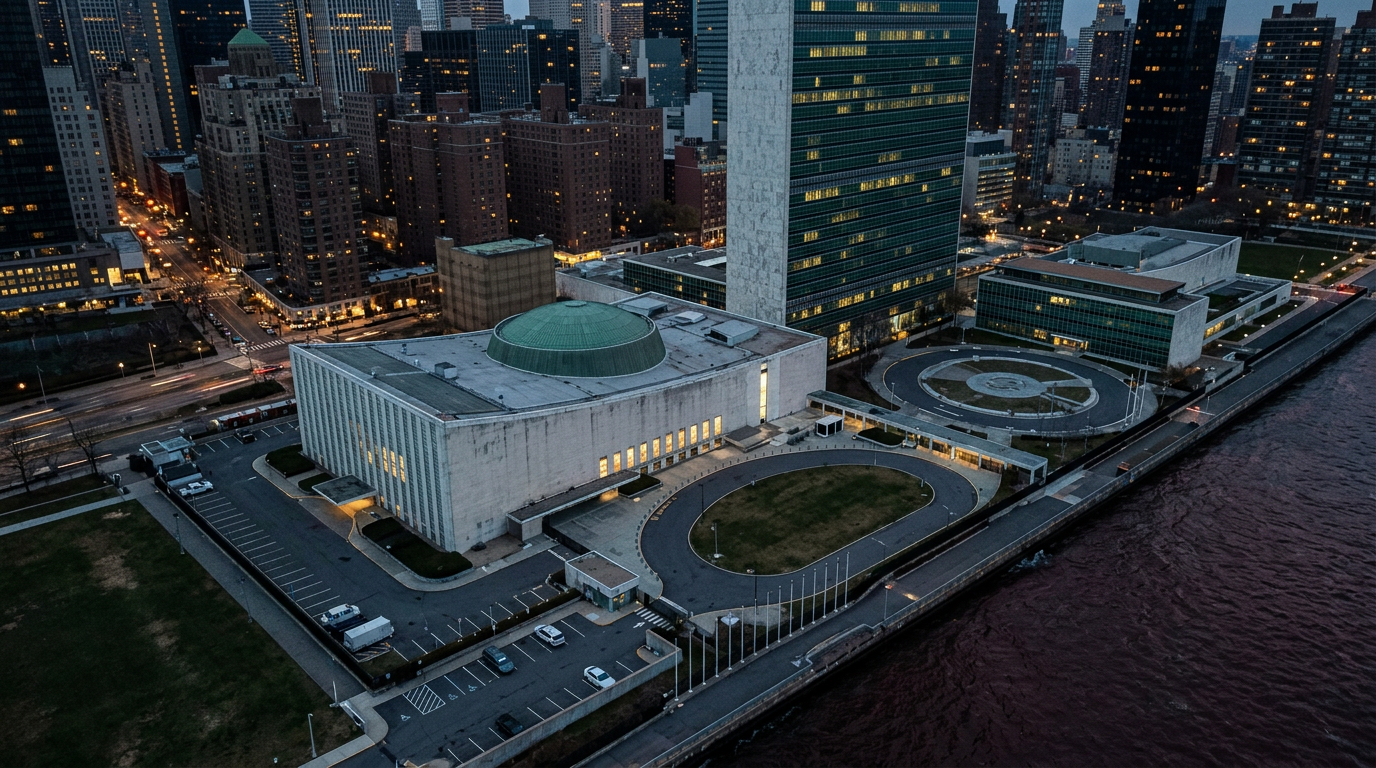
Iran's newly appointed Supreme Leader, Ayatollah Mojtaba Khamenei, declared on Thursday that the nation intends to maintain its strategic influence over the Strait of Hormuz. State media reported Khamenei's comments, which also indicated a continuation of actions against Gulf Arab states. This announcement follows a period of heightened regional tensions involving the United States and Israel.
The declaration has immediate implications for global energy markets. Oil prices surged past $100 per barrel, and international stock markets experienced declines on Thursday, reflecting investor apprehension regarding the escalating geopolitical instability. The Strait of Hormuz is a critical chokepoint for global oil shipments, and any disruption there can significantly impact supply and pricing.
Regional Instability and Humanitarian Impact
Ongoing conflicts have led to severe humanitarian consequences, particularly in Lebanon. The Ministry of Public Health in Lebanon reported 634 fatalities, including 91 children and 47 women, and 1,586 injuries since March 2. These casualties are attributed to Israeli military operations in the region, underscoring the human cost of the protracted conflict.
Navigational data from MarineTraffic.com indicates a significant slowdown in shipping activity within the Persian Gulf. Approximately 500 oil tankers are currently in the region, with only five recorded departures over the past 24 hours. This reduction in traffic suggests a de facto disruption to maritime transit through the Strait of Hormuz, a vital artery for global trade.
Cultural Heritage and International Appeals
The conflict has also impacted cultural heritage sites. Reports indicate that at least four historical locations in Iran have sustained damage from U.S. and Israeli strikes. In response, Iran has formally requested UNESCO to enhance protection for additional cultural landmarks, highlighting concerns over the preservation of historical sites during military engagements.
This latest development from Iran's leadership signals a potential escalation in regional dynamics. The Strait of Hormuz, through which a substantial portion of the world's seaborne oil passes, remains a focal point of geopolitical contention. The international community is closely monitoring the situation for further developments and their potential economic and political ramifications.
Implications
Country Impact: Iran's stance could lead to increased international isolation and potential sanctions. Regional stability for Gulf Arab nations is threatened, potentially drawing them further into the conflict. Lebanon faces continued humanitarian crises and infrastructure damage from ongoing military operations.
Industry Impact: The global energy sector faces significant volatility, with oil prices reacting sharply to supply concerns. Shipping and maritime insurance industries will likely see increased premiums and operational risks in the Persian Gulf. The tourism and cultural heritage sectors in affected regions face long-term damage and reduced activity.
Market Impact: Global stock markets are experiencing declines due to heightened geopolitical risk and investor uncertainty. Commodity markets, particularly oil, are subject to upward price pressure. Bond markets may see a flight to safety, while currencies of oil-importing nations could weaken.