Minnesota Braces for Major Winter Storm Impact
A major winter storm hit Minnesota on March 14, 2026, with over a foot of snow expected, leading to widespread closures and travel warnings.
Ayla Demirhan ·
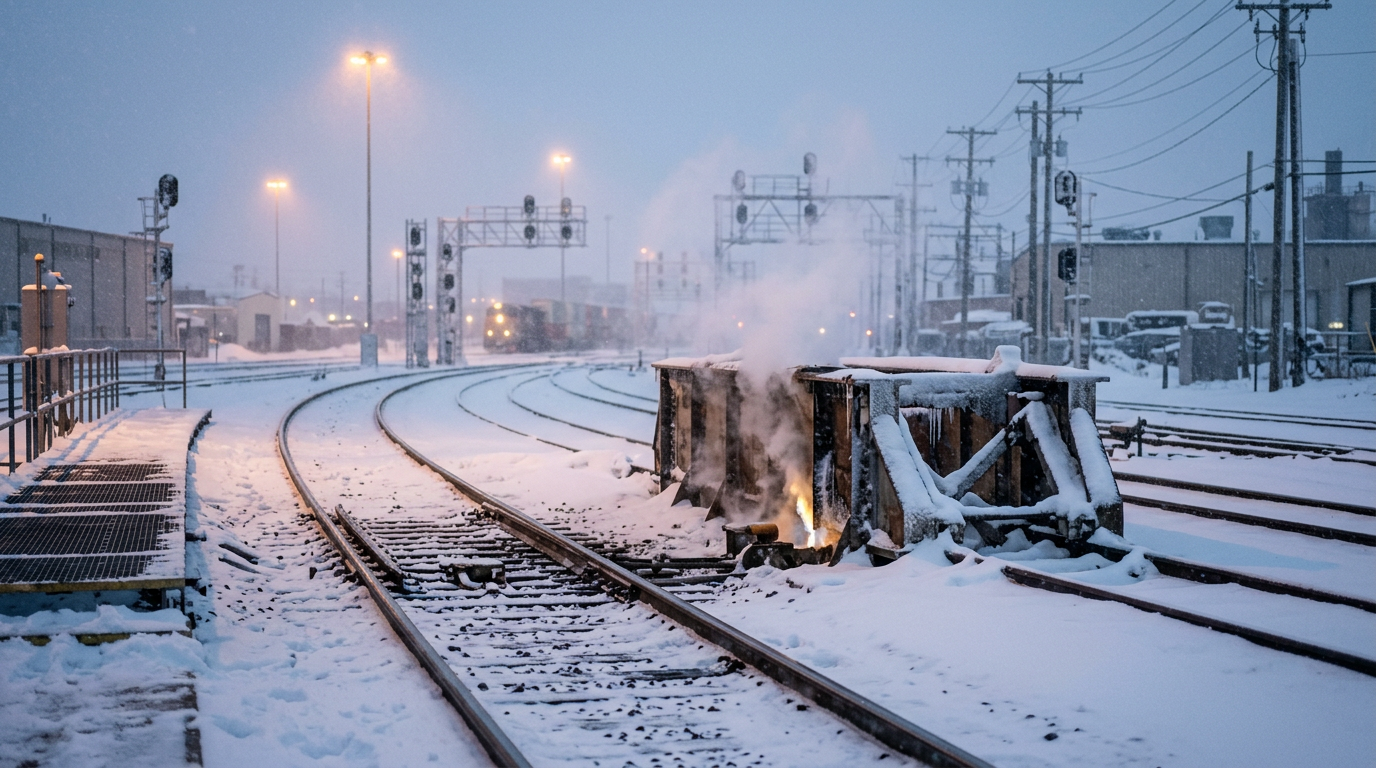
A substantial winter storm began affecting Minnesota on Saturday, March 14, 2026, with meteorologists predicting over a foot of snow for regions including the Twin Cities. The National Weather Service issued a blizzard warning across southern Minnesota, extending into parts of Iowa and Wisconsin, cautioning that travel could become "nearly impossible" by Sunday morning. This weather system has led to numerous closures and event cancellations throughout the Minneapolis-St. Paul metropolitan area.
Widespread Disruptions and Warnings
Authorities in Minneapolis and St. Paul declared snow emergencies on Saturday, implementing parking restrictions that will take effect Sunday evening. The University of Minnesota scaled back its operations, while several cultural institutions, such as the Minnesota Children’s Museum and Chanhassen Dinner Theaters, canceled scheduled events. These measures aim to minimize public exposure to hazardous conditions and facilitate snow removal efforts.
Intensifying Weather Conditions
The storm is characterized by heavy snowfall rates, with forecasts indicating 2-3 inches per hour during the early hours of Sunday. The potential for "thunder-snow" has also been noted, signaling the intensity of the weather system. Strong winds are expected to follow the main snowfall, creating significant blowing and drifting snow, particularly in areas southwest of the Twin Cities.
Public Safety Directives
Officials have strongly advised residents to avoid non-essential travel and remain indoors. This directive is crucial for public safety, as the combination of heavy snow and high winds can rapidly deteriorate road conditions and visibility. Emergency services are preparing for potential increased demand due to weather-related incidents.
Historical Context of Severe Winter Events
Minnesota frequently experiences severe winter weather, and this storm is anticipated to be one of the most significant in recent years. Historically, major snow events in the state have led to substantial economic disruption, including temporary business closures, supply chain delays, and increased costs for snow removal and infrastructure repair.
The state's infrastructure, particularly its transportation network, is designed to manage heavy snowfall, but extreme events can still overwhelm resources.
Economic and Social Implications
The immediate economic impact includes lost revenue for businesses forced to close and increased operational costs for essential services. Socially, such storms can lead to community isolation, particularly for vulnerable populations, and require coordinated public health responses. The long-term implications depend on the storm's duration and the efficiency of recovery efforts, which often involve significant public expenditure.
Outlook for Recovery
Recovery efforts are expected to commence immediately after the storm subsides, focusing on clearing major roadways and restoring normal public services. The effectiveness of these efforts will determine how quickly daily life and economic activities can resume. Residents are encouraged to monitor local news and official advisories for updates on road conditions and service availability.
Implications
Country Impact: The severe weather event in Minnesota highlights regional vulnerabilities to extreme climate conditions, potentially impacting national supply chains if prolonged. Federal emergency resources may be required to support state and local recovery efforts.
Industry Impact: Retail, hospitality, and entertainment sectors in the affected regions face immediate revenue losses due to closures and event cancellations. Transportation and logistics industries will experience significant disruptions, leading to delays in goods movement.
Market Impact: Local markets may see temporary spikes in demand for essential goods like groceries and emergency supplies. Insurance companies could face increased claims related to property damage and vehicle incidents, potentially affecting regional market sentiment.