Blizzard Warnings Issued for Minnesota, Wisconsin
Blizzard warnings are issued for Minnesota and Wisconsin for March 14, 2026, forecasting heavy snow, high winds, and hazardous travel.
Ayla Demirhan ·
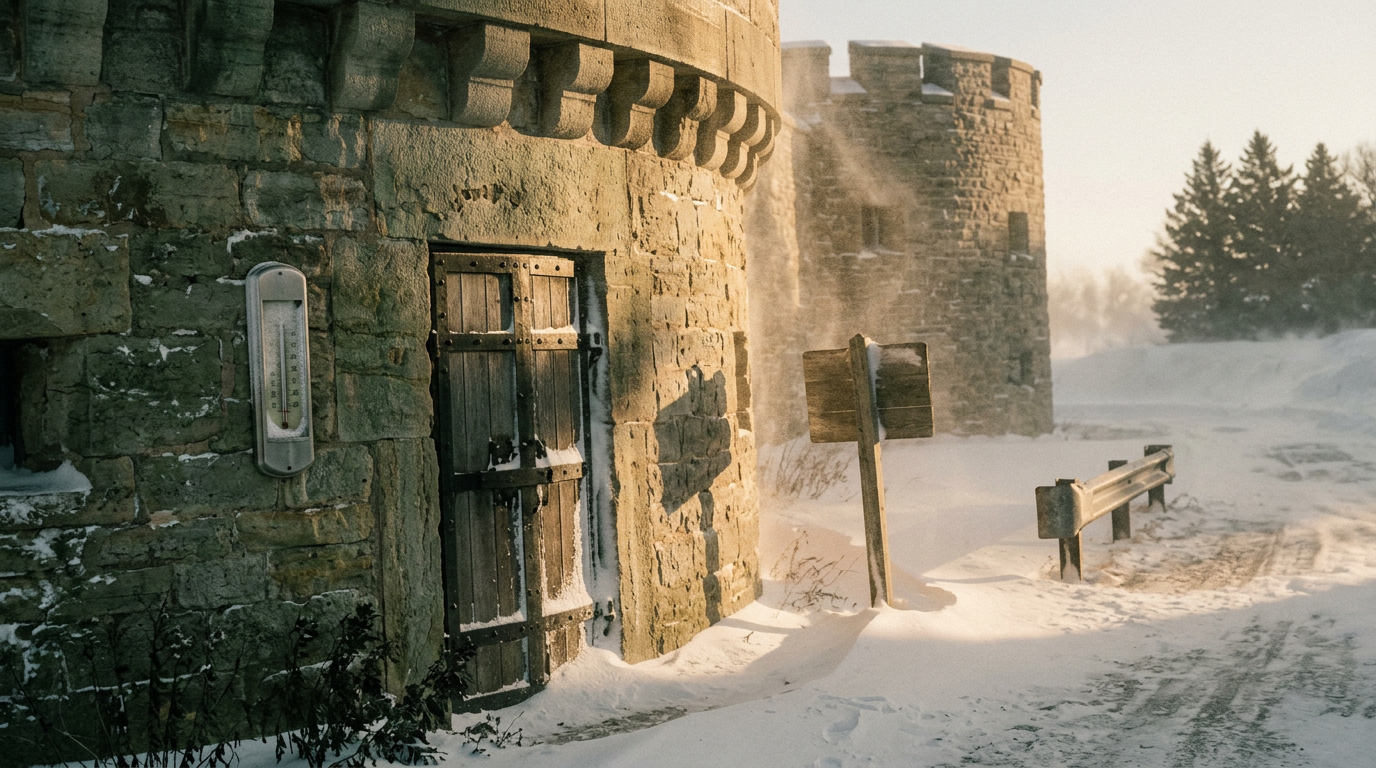
The National Weather Service has issued blizzard warnings for sections of central and southern Minnesota and western Wisconsin, effective Saturday, March 14, 2026. A significant winter storm is anticipated to bring substantial snowfall and powerful winds to the region, creating hazardous travel conditions.
Forecasters project central Minnesota and western Wisconsin could receive between 12 and 18 inches of snow. Certain localized areas might experience accumulations up to two feet. The most intense snowfall rates, potentially reaching 2 to 2.5 inches per hour, are expected from late Saturday night into Sunday morning.
Severe Wind Conditions Expected
Accompanying the heavy snow, northwest winds are forecast to intensify significantly on Sunday. Speeds are predicted to range from 35 to 45 mph, with gusts potentially reaching 50 to 55 mph, particularly within the Minnesota River Valley. This combination of falling and blowing snow, driven by strong winds, is expected to severely reduce visibility.
These conditions are likely to create blizzard-like environments, rendering travel extremely difficult or impossible from late Saturday night through Sunday evening. Residents are advised to monitor local weather updates and prepare for disruptions.
Mixed Precipitation and Infrastructure Risks
Before the transition to all snow on Sunday morning, areas along the I-90 corridor in southern Minnesota are expected to experience a wintry mix. This includes rain, freezing rain, and sleet, with accumulations potentially reaching half an inch of sleet and a tenth of an inch of ice.
The high water content within the anticipated snowpack presents additional concerns. This could lead to increased risks of infrastructure damage, such as roof collapses or power outages. Furthermore, the density of the snow poses a health hazard for individuals involved in snow removal efforts, increasing the potential for strain or injury.
Historical Context of Winter Storms
Minnesota and Wisconsin are no strangers to severe winter weather, with historical records indicating numerous significant blizzards that have impacted daily life and economic activity. Such storms often lead to widespread school closures, business interruptions, and significant challenges for transportation networks, including air travel and ground logistics. Emergency services typically prepare for increased call volumes related to accidents and medical emergencies during these events.
The current forecast aligns with patterns of major winter systems that can paralyze regions for several days, emphasizing the importance of preparedness for residents and local authorities. The economic impact can extend to retail, hospitality, and agricultural sectors, which face disruptions in supply chains and consumer access. Utility companies also brace for potential widespread power outages due to heavy snow and high winds affecting power lines and infrastructure.
Implications
Country Impact: The storm's impact will be localized to the upper Midwest, primarily affecting Minnesota and Wisconsin, potentially disrupting regional transportation and commerce.
Industry Impact: Transportation, logistics, and utility sectors will face significant challenges, including road closures, flight delays, and potential power outages. Retail and service industries may experience temporary closures and reduced consumer activity.
Market Impact: Local markets could see temporary disruptions in supply chains and consumer spending. Energy demand for heating may increase, while transportation-related stocks could experience short-term negative pressure.