Twin Cities Under Blizzard Warning, Travel Disrupted
The NWS issued a blizzard warning for Twin Cities, forecasting 12-18 inches of snow and 50-55 mph winds, disrupting travel and business.
Ayla Demirhan ·
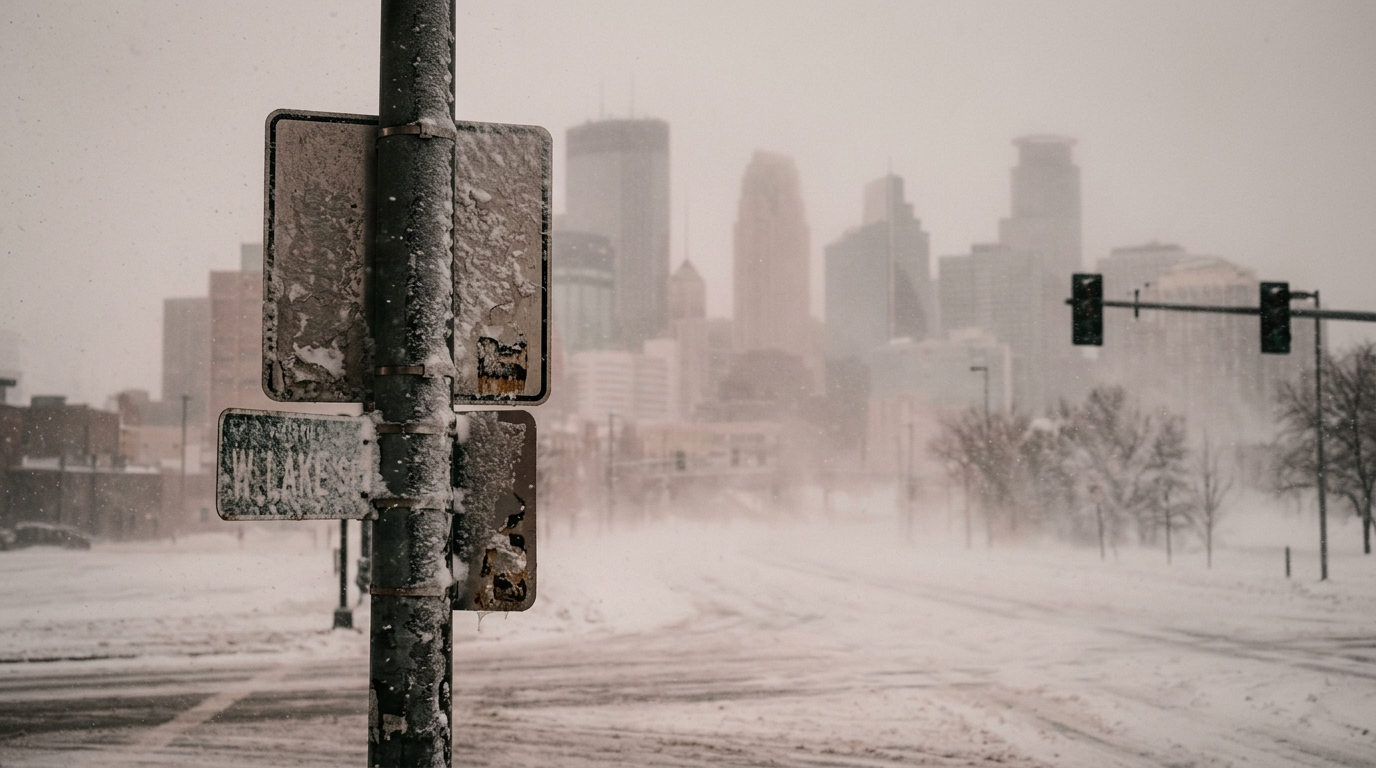
The National Weather Service (NWS) issued a blizzard warning for the Twin Cities metropolitan area in Minnesota on Friday, March 14, 2026, anticipating a major winter storm. This alert, effective from Saturday evening through Sunday, forecasts substantial snowfall and high winds, significantly impacting regional travel and daily operations. The storm is expected to bring widespread disruptions across central Minnesota and western Wisconsin.
Severe Weather Forecast
Forecasters predict 12 to 18 inches of snow across central Minnesota and western Wisconsin. Specific areas in east-central Minnesota and west-central Wisconsin could experience accumulations up to 2 feet. The initial phase of the storm on Saturday night is projected to deliver intense snowfall rates, reaching 2 to 2.5 inches per hour.
Following the heavy snow, strong winds are expected to develop on Sunday. Wind speeds are anticipated to be between 35 and 45 miles per hour, with gusts potentially reaching 50 to 55 miles per hour, particularly in the Minnesota River Valley. These combined conditions are expected to severely reduce visibility and make travel extremely hazardous.
Widespread Disruptions and Emergency Measures
The City of Minneapolis has declared a snow emergency, which will take effect on Sunday. This declaration includes parking restrictions beginning at 9 p.m. on Saturday, aimed at facilitating snow removal operations. Residents are advised to move vehicles from designated emergency routes to avoid towing.
The severe weather has already led to significant travel disruptions. Over 500 flights scheduled for Saturday and Sunday at Twin Cities airports have been canceled. Travelers are advised to check with their airlines for updated flight information and to avoid non-essential travel during the storm period.
Economic and Social Impact
Beyond transportation, the blizzard is causing broader economic and social impacts. Numerous public events have been postponed or canceled, and many businesses are opting to close in anticipation of the hazardous conditions. The heavy, wet nature of the snow, combined with high winds, poses a risk of infrastructure damage, including potential power outages.
Local authorities and emergency services are preparing for increased demand. Residents are encouraged to secure loose outdoor items, ensure they have adequate supplies, and monitor local news for updates. The NWS emphasizes the danger of whiteout conditions and advises against driving unless absolutely necessary.
Historical Context of Winter Storms
Minnesota frequently experiences severe winter weather, with blizzards being a recurring challenge. Historically, major snow events have led to significant economic costs, including lost productivity, increased emergency service expenditures, and infrastructure repairs. The current forecast suggests this storm could rank among the more impactful events of recent years, necessitating comprehensive public and private sector responses to mitigate its effects.
Implications
Country Impact: The severe weather event in Minnesota and Wisconsin will temporarily disrupt regional economic activity, impacting local businesses and supply chains. Federal and state emergency resources may be mobilized to assist with recovery efforts.
Industry Impact: The airline industry faces immediate operational challenges with hundreds of flight cancellations, leading to revenue losses and logistical complexities. Retail and hospitality sectors in the affected areas will experience reduced consumer traffic and closures.
Market Impact: Local transportation and logistics markets will be severely hampered, potentially causing short-term spikes in demand for certain goods post-storm. Insurance markets may see an increase in claims related to property damage from heavy snow and high winds.