Potomac River Sewage Leak Repaired in Washington D.C.
A 2-million-gallon raw sewage leak into the Potomac River in Washington D.C. was repaired on May 30, 2024, by DC Water.
Ayla Demirhan ·
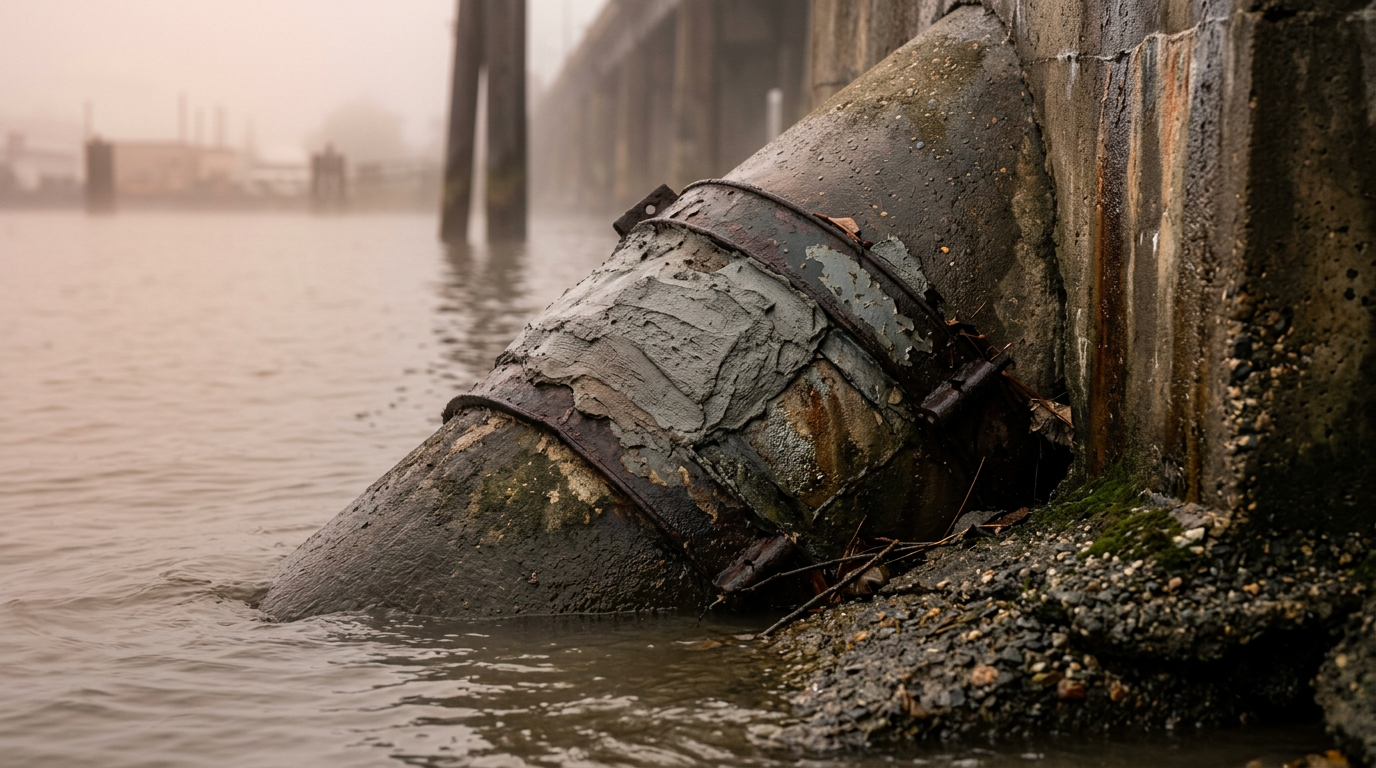
A significant raw sewage discharge into the Potomac River in Washington D.C. was halted on Thursday, May 30, 2024, following the repair of a ruptured pipeline. The incident, which commenced the previous day, released an estimated two million gallons of untreated wastewater into the waterway, prompting public health warnings.
DC Water, the local utility responsible for the city's water and sewer infrastructure, confirmed the completion of repairs to the 48-inch pipe. This infrastructure is a component of the District's combined sewer overflow (CSO) system, designed to manage both stormwater and wastewater.
Incident Details and Response
The rupture occurred near the Tidal Basin on Wednesday, May 29, 2024, when a contractor engaged in a separate construction project inadvertently struck the sewer line. Initial assessments indicated a discharge rate of approximately one million gallons per day into the river system.
Local authorities promptly issued advisories cautioning against direct contact with the Potomac River and its tributaries due to elevated bacterial levels. These warnings are standard procedure following such environmental incidents to mitigate public health risks.
Environmental and Public Health Concerns
The Potomac River is a vital ecological and recreational resource for the Washington D.C. metropolitan area. Sewage discharges introduce harmful bacteria, viruses, and other pollutants, posing risks to aquatic life and human health. Such events can lead to temporary closures of recreational areas and impact local ecosystems.
DC Water has initiated comprehensive water quality monitoring efforts to assess the full environmental impact of the leak. This ongoing evaluation will determine when the advisories can be safely lifted, ensuring public safety and ecological recovery.
Infrastructure and Prevention
Combined sewer systems, common in older urban areas like Washington D.C., collect both sewage and stormwater in a single pipe. During heavy rainfall, these systems can overflow, discharging untreated waste directly into waterways. While the recent incident was due to external damage, CSOs are a persistent challenge for urban water management.
Efforts to modernize and separate these systems, such as DC Water's Clean Rivers Project, aim to reduce such overflows and improve water quality. This project involves constructing large underground tunnels to capture and treat combined sewer flows before they reach the river, representing a long-term strategy to mitigate pollution.
Outlook and Monitoring
The immediate repair of the pipe has stopped the direct discharge. However, the long-term effects on the river's ecosystem will be subject to continued monitoring. Public advisories will remain in effect until water quality tests confirm that bacterial levels have returned to safe parameters, ensuring the health and safety of residents and the environment.
Implications
Country Impact: The incident highlights ongoing infrastructure challenges in older U.S. cities, particularly concerning combined sewer systems. It underscores the need for continued investment in modernizing urban water management to prevent environmental contamination.
Industry Impact: The water utility sector faces scrutiny regarding infrastructure resilience and maintenance. This event emphasizes the importance of robust protocols for third-party contractors working near critical infrastructure to prevent accidental damage and subsequent environmental incidents.
Market Impact: While localized, such environmental incidents can lead to temporary disruptions in recreational activities and potential costs for remediation and monitoring. They can also influence public perception of local governance and infrastructure reliability, potentially impacting tourism or local business in affected areas.