Library of Congress Uses AI, Volunteers to Unlock Broadcasting History
The Library of Congress uses AI and volunteers on its FixIt+ platform to refine public broadcasting transcripts, making history more accessible.
Sophie McAlister ·
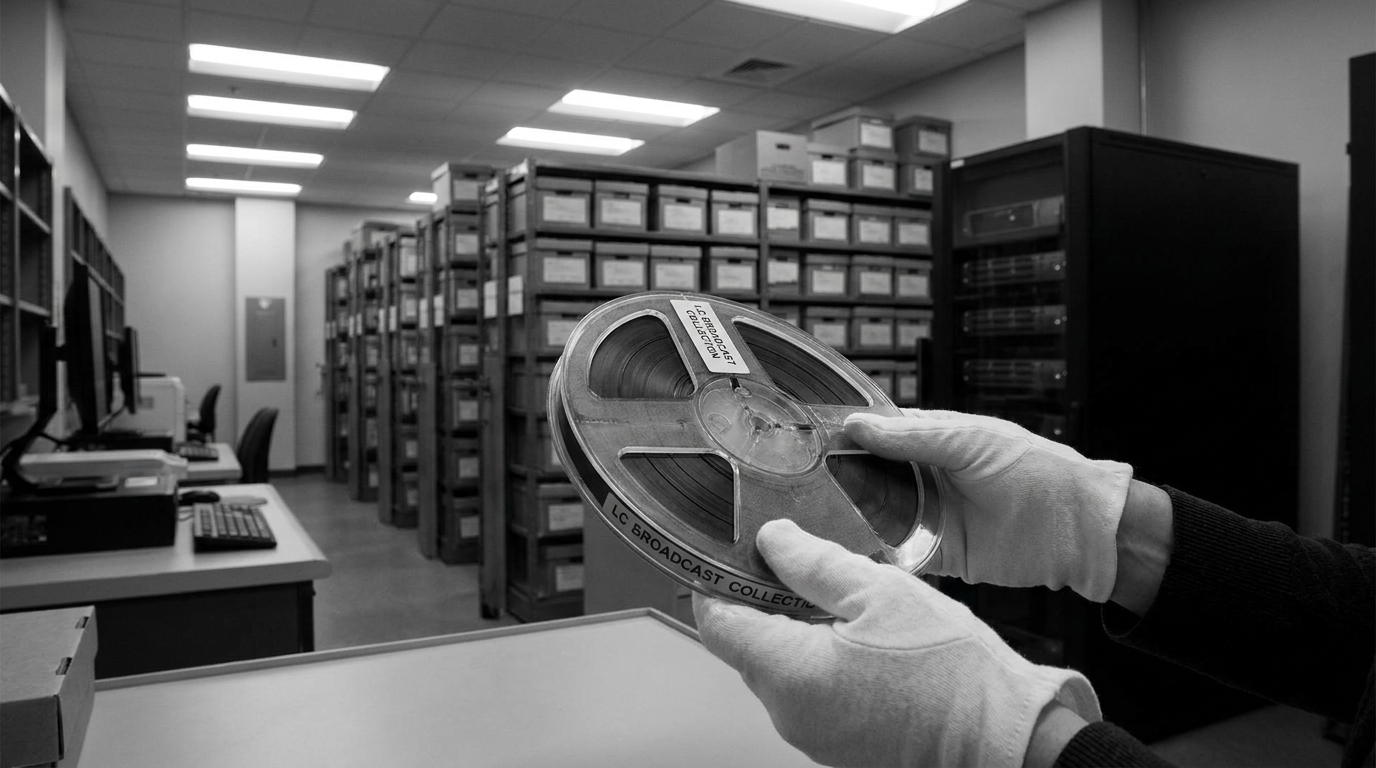
The Library of Congress is leveraging artificial intelligence alongside human volunteers to enhance access to its extensive public broadcasting archives. The initiative, centered around the FixIt+ platform, uses AI to produce preliminary transcripts of historical media, which are then meticulously reviewed and corrected by volunteers.
AI-Assisted Archival Processing
This dual approach allows for the efficient processing of large volumes of historical audio and video content. The AI systems generate a foundational layer of text from the media, significantly speeding up the initial transcription phase. This allows the institution to tackle a backlog of materials that might otherwise remain difficult to access and analyze.
Volunteer Refinement
The critical role of volunteers in this process cannot be overstated. After the AI provides an initial transcript, human volunteers step in to verify the accuracy, correct any errors, and add context where necessary. This ensures that the final transcripts are not only searchable but also accurately reflect the content of the historical broadcasts.
The goal is to create a robust, searchable database that will be invaluable for researchers, historians, and the general public interested in the history of public broadcasting. By making these archives more accessible, the Library of Congress is preserving and promoting a vital part of American cultural and media history.