DCPSC Hosts Energy Action Summit in D.C. on Affordability and Community Solutions
The Public Service Commission of the District of Columbia convened an Energy Action Summit in Washington, D.C.
Sophie McAlister ·
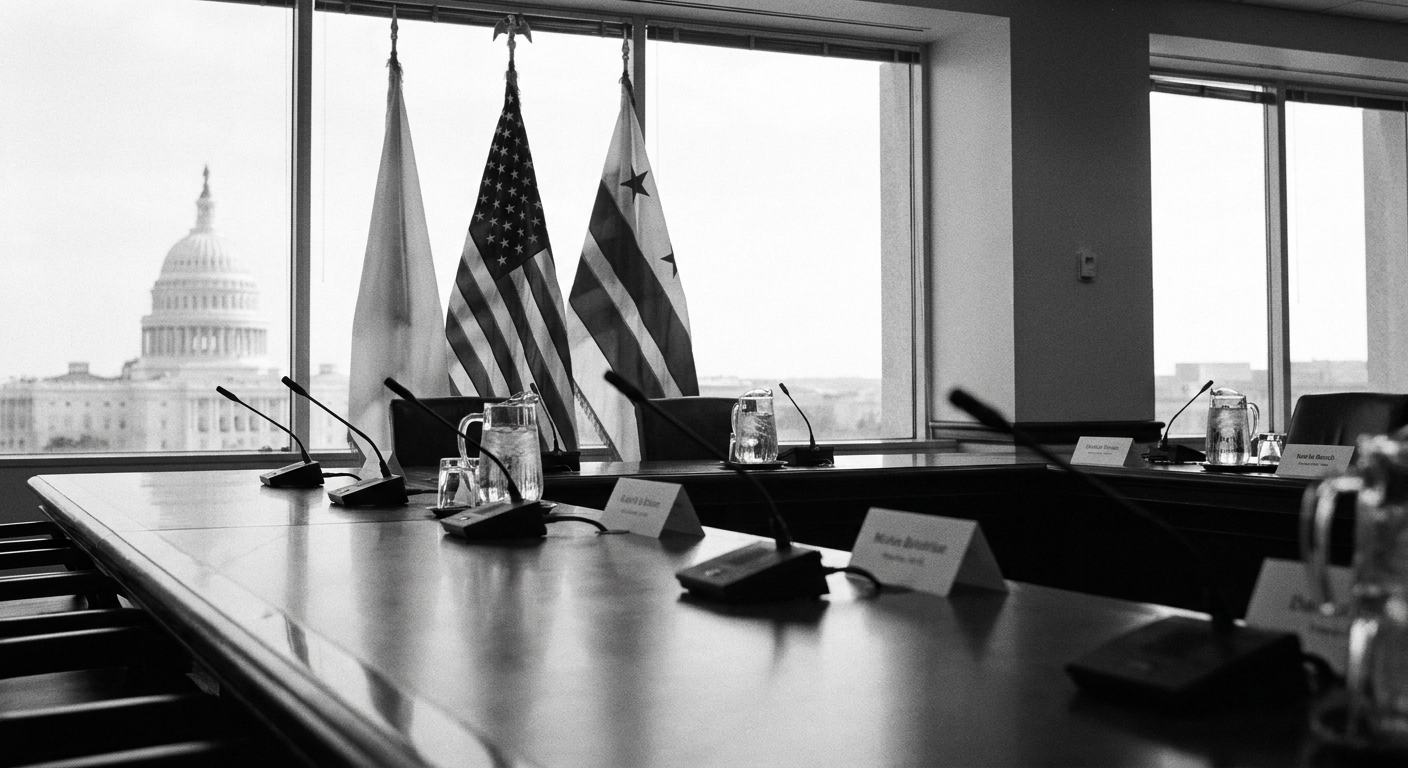
The Public Service Commission of the District of Columbia hosted the District of Columbia Energy Action Summit this week in Washington, D.C., convening regulators, utility representatives, community organizations and consumer advocates to focus on energy affordability and community-based solutions. The event centered on immediate steps to reduce household utility burdens and on longer-term policy and program ideas that could shape the district's energy landscape.
Organizers positioned the summit as a forum for practitioners and residents to share experiences with bill-assistance programs, energy-efficiency projects and neighborhood-led initiatives. Sessions combined presentations, case studies and facilitated discussions intended to surface practical measures that can be scaled across the District. Commission staff described the summit as part of ongoing outreach to ensure regulatory decisions reflect consumer needs and community priorities.
Policy and affordability at the forefront
Panels addressed the affordability challenge facing many District households and explored immediate and medium-term approaches regulators and service providers can pursue. Topics included strengthening bill-assistance and customer-support programs, improving access to energy-efficiency upgrades in lower-income neighborhoods, and coordinating locally targeted outreach to reduce disconnections and arrearages. Speakers emphasized aligning short-term relief with longer-term energy-transition goals.
The summit brought together a cross-section of stakeholders who work at the intersection of energy policy and community service. Attendees included representatives from regulated utilities, community advocates, local nonprofits, and technical experts who run or advise subsidy and retrofit programs. The Commission used the sessions to collect input that can inform its regulatory agenda and community engagement strategies.
Community-led solutions and technical approaches
Workshops highlighted neighborhood-scale projects and demand-side strategies such as weatherization, targeted efficiency incentives and customer education campaigns. Community leaders described barriers residents encounter when trying to access programs, and technical presenters laid out how data and program design can be used to reach hard-to-serve households. The discussions emphasized practical, replicable steps rather than abstract policy debates.
Commissioners and staff signaled they will use insights from the summit to refine outreach efforts and consider community recommendations when evaluating program proposals. While the summit did not announce new regulatory orders on the spot, it framed the Commission's next phase of stakeholder engagement and signaled priority areas for the District's energy work.
Watch for published notes from the sessions and for the Commission to incorporate summit feedback into forthcoming dockets and program designs. Community groups and utilities are likely to use summit findings to shape grant applications and collaborative pilots over the coming months.