DC Wants Robotaxis, But Not on Silicon Valley’s Terms
DC robotaxi legislation would open the capital to autonomous taxi service with steep permit fees, a per-mile tax, labor funds and strict oversight rules.
Sophie McAlister ·
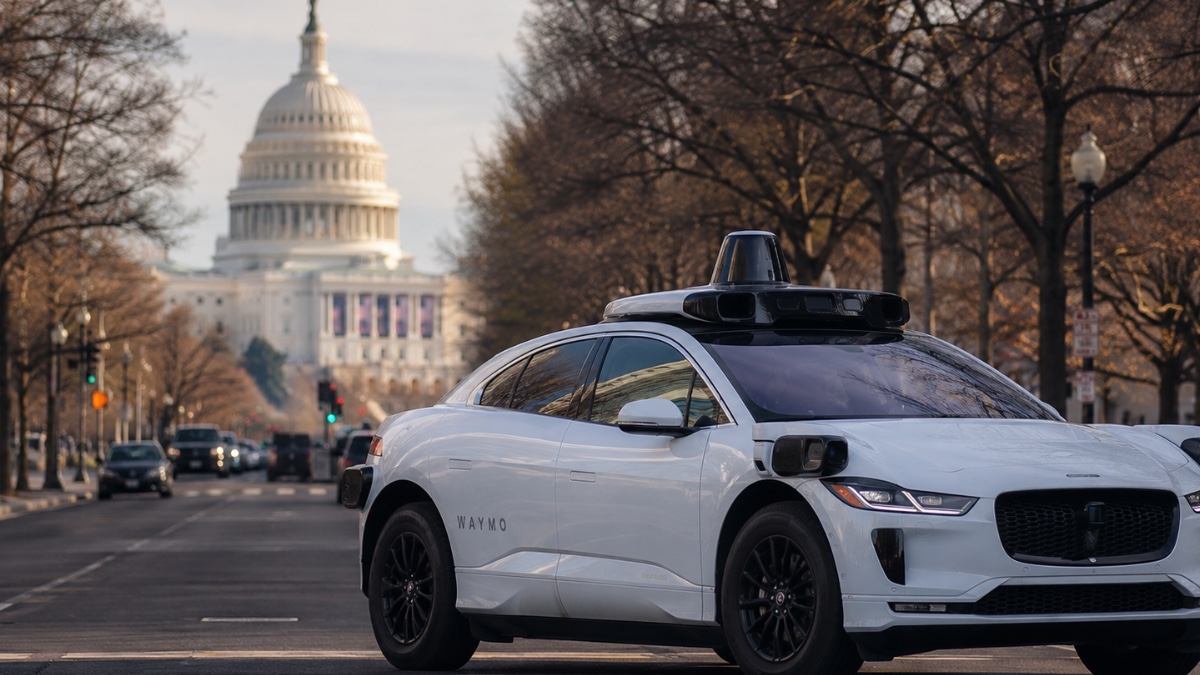
Washington is no longer debating autonomous taxis as a distant experiment; the question is whether it will let them operate under rules tough enough to make the capital an outlier. Councilmember Charles Allen introduced legislation in May that would create a DDOT-run commercial program for driverless ride and delivery services, with data reporting, emergency response plans, insurance standards and liability rules built into the framework. The bill also carries a sharp price tag: a $1 million initial application charge and a $5 million fee once the first commercial permit is granted, both described in the legislation as nonrefundable. That structure gives DC a path toward robotaxis, but not the fast launch Waymo once signaled when it said its ride-hailing service would be ready for Washington customers in 2026.
Waymo Meets the Council
The pressure has been building because autonomous taxis are already moving from novelty to urban transport business in other U.S. markets. Waymo, the Alphabet-owned company that grew out of Google’s self-driving program, said in 2025 that it was preparing Washington service and would work with policymakers on permission to operate without anyone at the wheel. The company said at the time that Waymo One was providing more than 200,000 paid fully autonomous rides each week across markets including San Francisco, Phoenix, Los Angeles and Austin, with Atlanta, Miami and Washington next in line. DC, however, has not yet given companies the legal clearance needed for a true commercial rollout, leaving the capital behind cities where riders can already summon an autonomous car through an app.
A 2012 Law Grows Old
The District has had autonomous vehicles on its policy radar for more than a decade, but early legal permission did not become a full deployment system. DDOT says the companies that have notified the agency of autonomous vehicle testing activities in the city include Waymo and Zoox, while Beep, Nuro and Perrone Robotics are listed as short-term and currently inactive. In April, DDOT released a research report on how automated vehicle rules are developing across the U.S., but the agency said that document was meant to inform future decisions rather than recommend a specific policy. DDOT also said a separate report on legislative and implementation issues would come later, showing that the agency still had not converted years of preparation into final operating rules.
Transit Gets a Cut
Allen’s proposal tries to answer the concern that driverless taxis could add traffic while draining riders from buses, Metro and human-operated for-hire vehicles. The bill would impose a 15-cent charge for every commercial autonomous mile traveled, a mechanism intended to discourage empty cruising and indirect routing. Allen’s office said revenue would be split between WMATA-related transit purposes and programs for existing taxi and ride-hail workers, including education, training and workforce support. The legislation also asks operators to work with WMATA on possible fare discounts for trips that connect passengers to public transportation, turning robotaxis into a feeder system rather than only a substitute for transit.
Eight Wards in the Algorithm
The equity provisions are aimed at a familiar DC problem: new transportation services often arrive first where incomes are highest and demand is easiest to monetize. Allen’s office said the bill would require comparable coverage across neighborhoods, including wait-time expectations from Shaw to Congress Heights, rather than allowing service to cluster in the downtown core or wealthier corridors. The bill also requires planning around lawful parking, vehicle storage, deadheading, access in all eight wards and interfaces that allow riders with disabilities to request service. For companies built around geofenced automation, that means the city is not only regulating whether the cars can drive, but also where the business model must serve.
Level 4 Comes With Limits
The bill reaches beyond commercial fleets by defining when advanced driving systems may be used on District streets. Level 1 and Level 2 driver-assistance tools would generally remain allowed, while Level 3, Level 4 and Level 5 systems would face restrictions unless covered by testing or commercial authorization. That distinction matters because Waymo-style taxis operate with highly automated systems inside defined service areas, while many consumer vehicles marketed with automation features still require continuous human supervision. The proposal would also require manufacturers of certain advanced driving systems to register with DDOT, giving the District a way to track not just robotaxi firms but also the software-equipped vehicles entering private ownership.
The 2028 Question
The forward risk is that DC could build one of the country’s most demanding robotaxi regimes just as the industry is racing to expand. Under the bill, commercial autonomous operators would be capped at 200 vehicles until January 1, 2028, after which they could seek approval to expand through a broader operating plan covering congestion, access, parking and disability service. LegiScan lists the measure as introduced, sponsored by Allen, Brooke Pinto and Matthew Frumin, with a public hearing scheduled for July 13, 2026, meaning the proposal still must survive committee review, council politics and possible changes before becoming law. For Waymo and its rivals, the message is clear: Washington may open the door to driverless taxis, but it wants revenue, accountability and labor protections before the cars arrive at scale.