CSIS Urges a U.S. Campaign to Exploit Beijing’s Weaknesses in New Analysis
CSIS analysis urges coordinated U.S. campaign to exploit Beijing's perceived weaknesses. Aimed at policymakers and the DC policy community.
Sophie McAlister ·
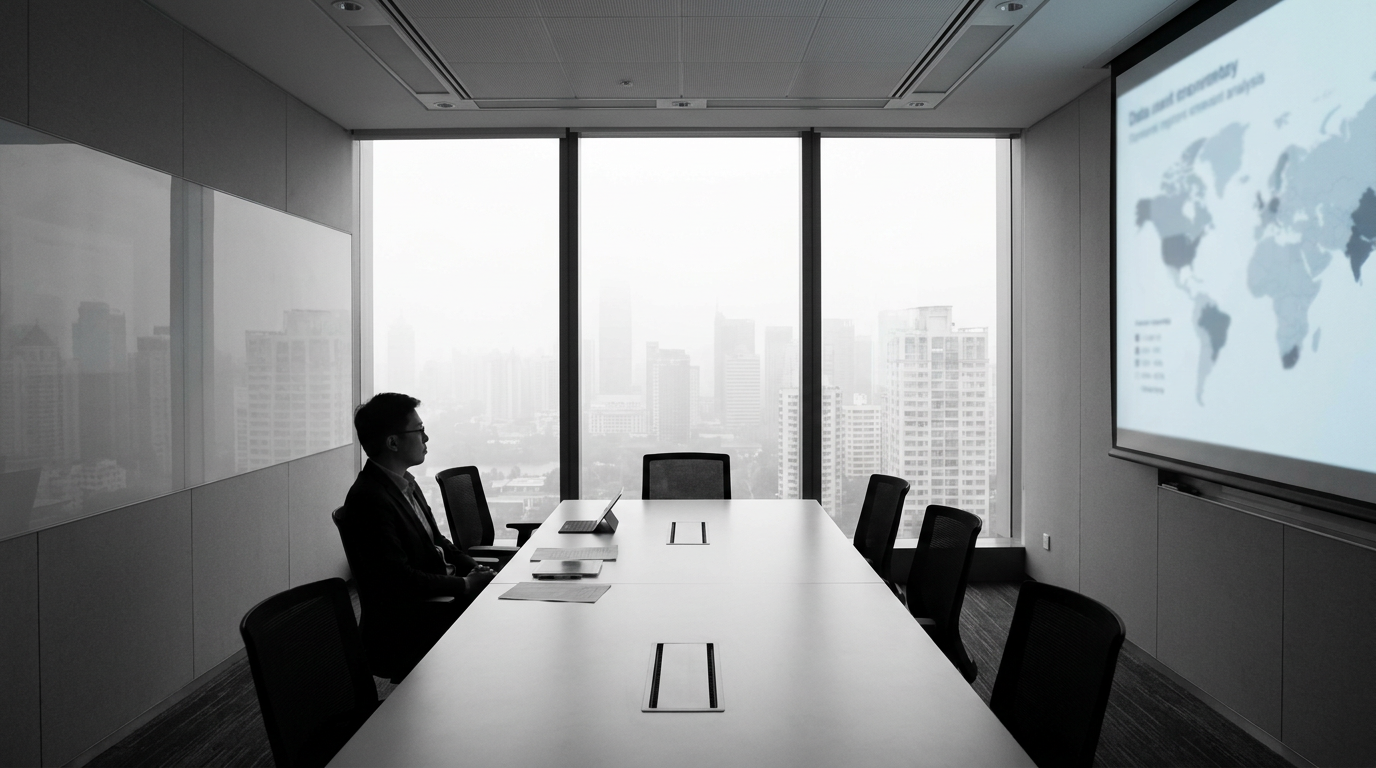
The Center for Strategic and International Studies, the Washington, D.C.-based policy research organization, released an analysis titled "A U.S. Campaign to Exploit Beijing’s Weaknesses." The paper calls on U.S. leaders to consider a coordinated approach aimed at leveraging perceived vulnerabilities in Beijing’s domestic and international posture. The document is positioned for policymakers, congressional staffers, and federal agencies in the capital.
The authors frame the argument as strategic guidance for U.S. decision-makers, emphasizing the need for a systematic response rather than ad-hoc measures. The analysis situates its recommendations within a broader set of debates in Washington over competition with China, and it is likely to be circulated among Hill offices, federal agencies, and other think tanks that track great-power rivalry.
Where this fits in DC policy debates
CSIS is a core institution in Washington’s foreign-policy ecosystem; its reports and events regularly attract congressional staff, administration officials, and diplomats. This paper adds to a stream of work from local policy centers that aim to shape how Capitol Hill and executive-branch actors think about strategic competition with China. Given CSIS’s role, the analysis could influence briefings, hearings, and interagency conversations taking place in the city.
The piece does not itself set policy, but it provides a framework that policymakers may adopt or contest. Think tanks in DC often serve as idea incubators: they synthesize research, highlight operational levers, and propose strategies that can be adopted in whole or in part by legislators or agencies. CSIS’s recommendations are therefore noteworthy for their potential to guide discussions within the D.C. policy community.
Audience and next steps
The primary readership for the analysis is the local policy audience — congressional staff, agency officials, and fellow analysts. Observers should watch for CSIS-hosted panels, testimony by authors before committees, or citations of the report in congressional memos and agency briefings. Those actions would signal uptake in the policymaking process.
Beyond immediate uptake, the analysis may spur responses from other Washington institutions that offer alternative approaches to U.S.-China competition. Expect scholarly pushback, op-eds from differing viewpoints, and event programming that tests and refines the paper’s prescriptions.
Watch whether members of Congress or administration officials cite the analysis in public statements or hearings; that will indicate whether CSIS’s framing is moving from idea to influence in the capital.