Library of Congress Adds Taylor Swift, Beyoncé and The Go-Go’s to 2026 Recording Registry
The Library of Congress announced its 2026 National Recording Registry selections, including Taylor Swift’s 1989, Beyoncé’s “Single Ladies,” and The Go-Go’s…
Sophie McAlister ·
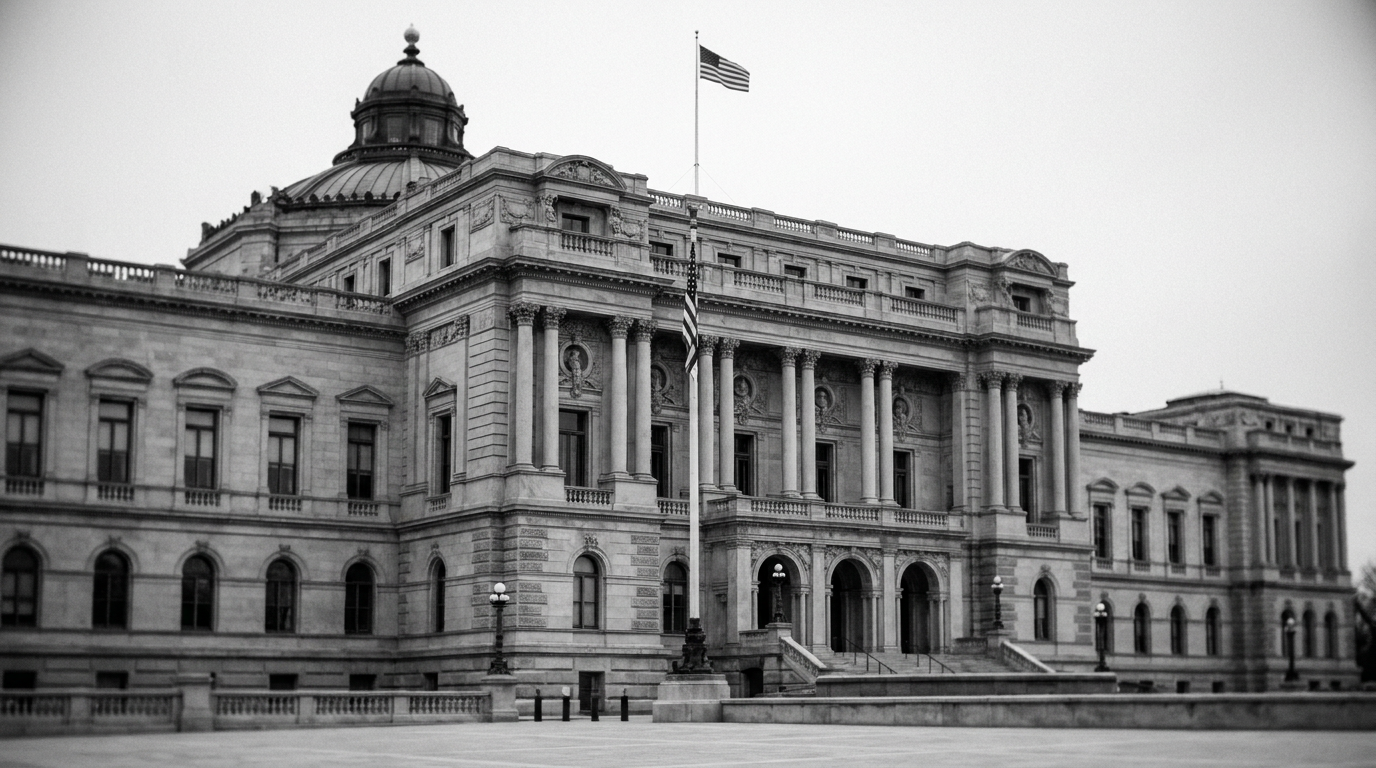
The Library of Congress added a new batch of recordings to its National Recording Registry on Monday, naming landmark works spanning pop, R&B and American rock. Among the 2026 picks were Taylor Swift’s album 1989, Beyoncé’s single “Single Ladies (Put a Ring On It),” and The Go-Go’s debut album Beauty and the Beat. The registry, maintained by the Library in Washington, preserves recordings judged to be culturally, historically or aesthetically significant.
The selections join a long-running federal effort to document the nation’s audio heritage. The registry’s additions typically include commercial albums, single tracks, field recordings and other audio that reflect broad currents in American life and culture. The Library homes the registry program at its Capitol Hill headquarters and uses the list to guide preservation priorities, digitization projects and public programming.
Curators at the Library prioritize recordings that have influenced music, technology or public life; this year’s list highlights mainstream pop milestones alongside regional and genre-defining works. The inclusion of 1989 recognizes a commercially massive and stylistically pivotal pop album. Beyoncé’s 2008 single is cited for its cultural footprint and continued presence in popular culture, while The Go-Go’s album marks an important moment in American new wave and all-female rock bands.
What the Registry Is Preserving
The National Recording Registry is explicitly charged with preserving audio deemed essential to the American soundscape. Once selected, items may be prioritized for improved archival storage, digitization for long-term access, or exhibition in the Library’s reading rooms and public galleries. The program also helps the Library coordinate conservation work across its collections and with external archives and institutions.
Selections often lead to renewed scholarly attention and can shape future exhibits, panels and recordings-based events at local museums and cultural centers. For performing artists and estates, registry inclusion can prompt transfers of materials, formal donations to the Library’s collections, or special presentations connected to the recordings’ histories.
Local impact and programming in Washington
The Library’s national role means registry choices have direct consequences for Washington’s cultural calendar. Selections commonly surface in local exhibitions, panel discussions and archival displays hosted at the Library’s Jefferson Building and partner institutions across the District. Archivists and curators in the city use the registry as a planning tool when developing public-facing programming tied to the nation’s audio heritage.
For DC audiences, the picks can translate into new on-site displays, listening stations, digitized access for researchers, and special events that bring national music history to local neighborhoods and institutions. The roster also offers local scholars and students fresh material for study and engagement within DC’s museums and universities.
As the Library implements preservation actions tied to the 2026 additions, expect targeted conservation and digitization work as well as announcements about exhibitions and public programs that use the newly recognized recordings. Watch for scheduling updates from the Library and partner cultural organizations in the coming months.