As Eaton’s Jazz Stage Fades, D.C. Musicians Say They’re Being Sidelined
Washington, D.C.’s live-jazz scene is shrinking as landmark clubs close. Musicians say rising rents and pandemic fallout leave artists deprioritized.
Sophie McAlister ·
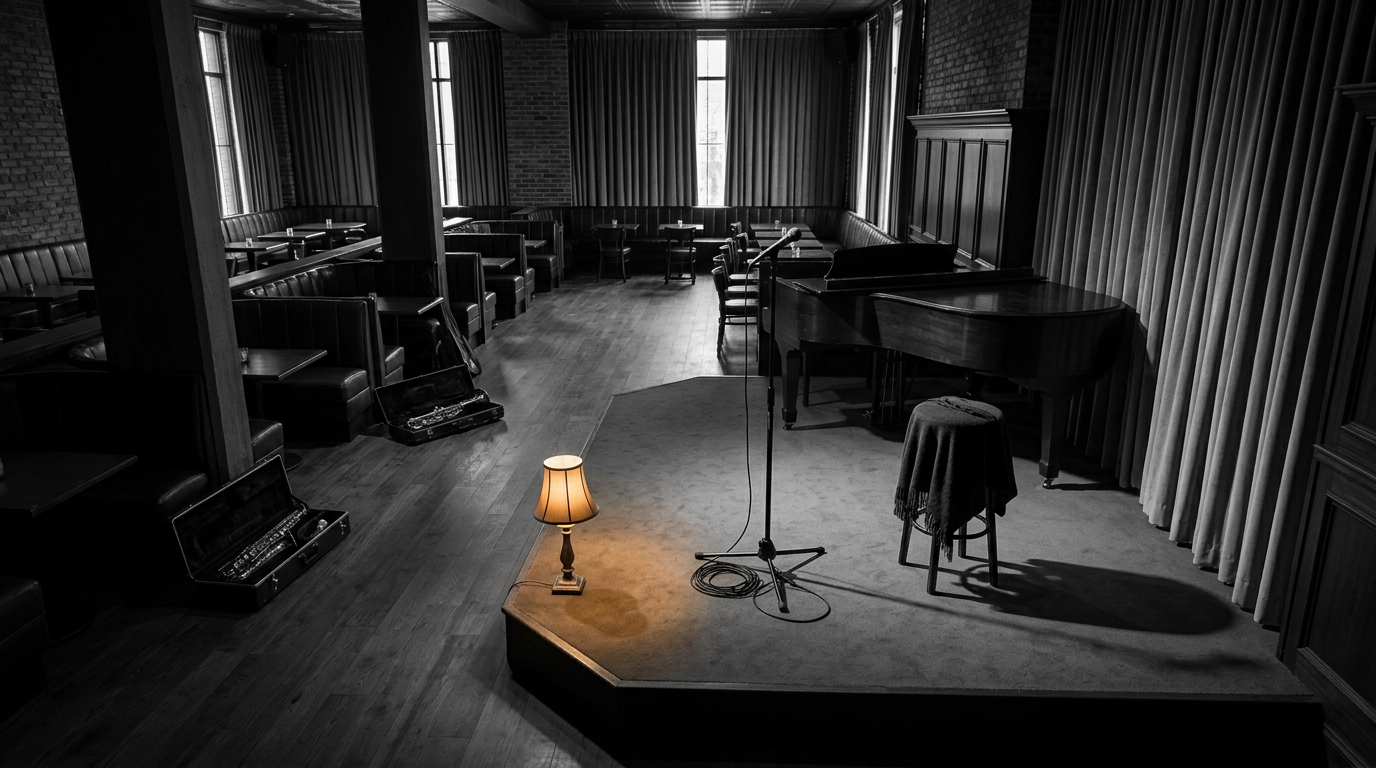
For years the Eaton hotel in downtown Washington served as one of the city’s active stages for live jazz, offering a regular performance space for local musicians. But the broader scene has contracted sharply: in the past decade Washington has seen a string of landmark jazz rooms close or struggle, including Twins, HR-57, Bohemian Caverns and Alice’s Jazz and Cultural Society. Venue closures trace to rising property costs, the financial fallout from the COVID-19 pandemic and other economic pressures that have made it difficult for small, heritage-driven clubs to remain open.
Musicians interviewed by CapitalBop say the loss of stages has had a tangible effect on careers and community life. Many performers report feeling pushed to the margins of a city where redevelopment and commercial priorities increasingly determine who gets performance space. “Second in thought,” one summary framing used by the article, captures a broader sense among artists that live jazz is no longer a first priority for venue operators and property owners.
Bohemian Caverns
The contraction of live-jazz venues also reshapes neighborhood culture. Long-running clubs provided not just music but late-night community gathering spots and career-launching platforms for younger players. With fewer regular gigs, local musicians face reduced visibility and income opportunities, while audiences lose easy access to spontaneous, low-cost performances that have historically been a hallmark of Washington jazz.
Local advocates and some musicians are looking for ways to preserve and revive performance opportunities—through dedicated nonprofit programming, partnerships with hotels and private venues, and efforts to push for policies that protect cultural spaces. Whether those efforts gain traction will determine whether Washington’s jazz community can rebuild a durable live circuit or continue to shrink under economic pressure.