Wisconsin Supreme Court Race Nears Decision
Wisconsin's Supreme Court election on April 7 could extend the liberal bloc's influence, with Chris Taylor facing Maria Lazar.
Lauren Collins ·
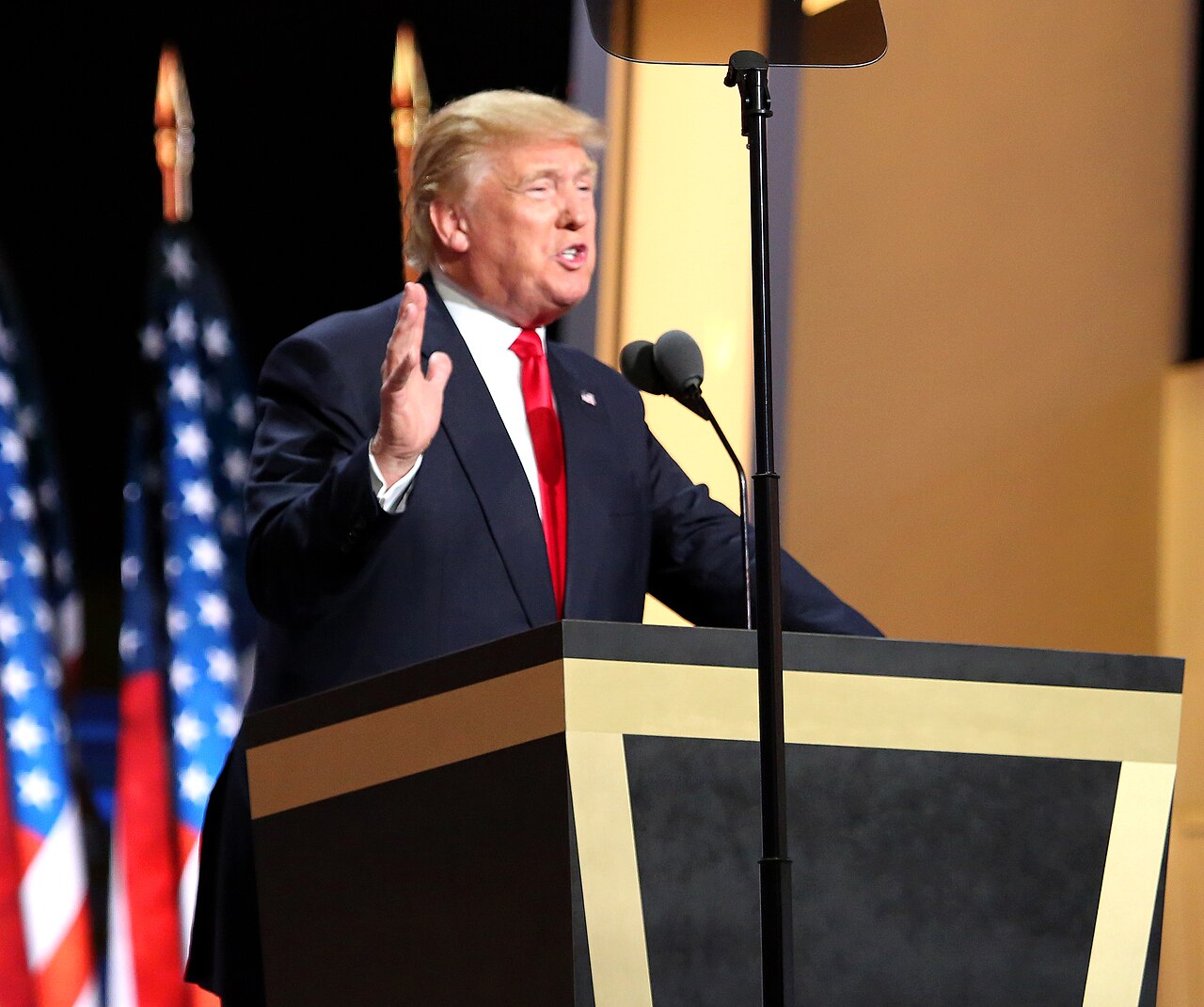
Voters in Wisconsin are preparing for a pivotal Supreme Court election on April 7, which could extend the liberal bloc's influence on the state's highest court. The contest features Democratic-aligned candidate Chris Taylor against Republican-backed Maria Lazar. This election follows a series of recent victories for liberal judicial candidates in Wisconsin, potentially solidifying a long-term ideological majority.
Chris Taylor has demonstrated a significant financial advantage in the campaign. Her campaign has outspent her opponent considerably on advertising, with supporting groups also contributing substantial funds. Taylor's platform has emphasized issues such as abortion access and voting rights, themes that have resonated with voters in previous state-level elections.
Judicial Election Dynamics
The upcoming election is for a seat vacated by retiring conservative Justice Rebecca Bradley. While this specific race will not alter the current ideological balance of the court, a victory for Taylor would mark the fourth consecutive win for liberal candidates in these judicial contests. This trend underscores a broader shift in Wisconsin's judicial landscape.
Campaign Funding Disparity
Financial disclosures reveal a notable difference in campaign resources. Taylor's campaign has raised substantially more funds than Lazar's. Advertising expenditures since January 1 reflect this disparity, with Taylor's campaign investing millions and allied groups adding over a million dollars. In contrast, Lazar's campaign and supporting organizations have spent significantly less.
Recent Electoral Trends
Wisconsin has seen a consistent pattern of liberal success in statewide elections since 2017, with liberal candidates winning 18 out of 23 races. This includes the 2023 and 2025 Supreme Court elections, where liberal candidates secured victories by approximately 10 percentage points. These outcomes occurred even as the state narrowly favored Donald Trump in the 2024 presidential election, indicating a divergence in voter preferences for judicial and presidential contests.
Implications for State Policy
The ideological composition of the Wisconsin Supreme Court holds significant implications for state policy. Decisions on critical issues like electoral maps, reproductive rights, and regulatory frameworks are directly influenced by the court's majority. An extended liberal majority could lead to sustained rulings aligned with progressive legal interpretations, shaping the state's legal and political future for years to come.
The ongoing focus on judicial elections highlights their increasing importance in the broader political landscape.
Implications
Country Impact: The outcome in Wisconsin reflects broader national trends of increasing partisan focus on state judicial elections, influencing policy on issues like abortion and voting rights across the United States.
Industry Impact: The legal and political consulting industries are heavily invested in these high-stakes state judicial races, with significant spending on advertising and campaign management.
Market Impact: While direct market impact is limited, the stability of state legal frameworks can indirectly affect business investment and regulatory certainty within Wisconsin.