Phishing Scams Drain Millions via Malicious QR Codes
Malicious QR code scams, known as 'quishing,' have escalated by 700% in four years, exploiting public infrastructure and emails to defraud victims.
Atlas Newsdesk ·
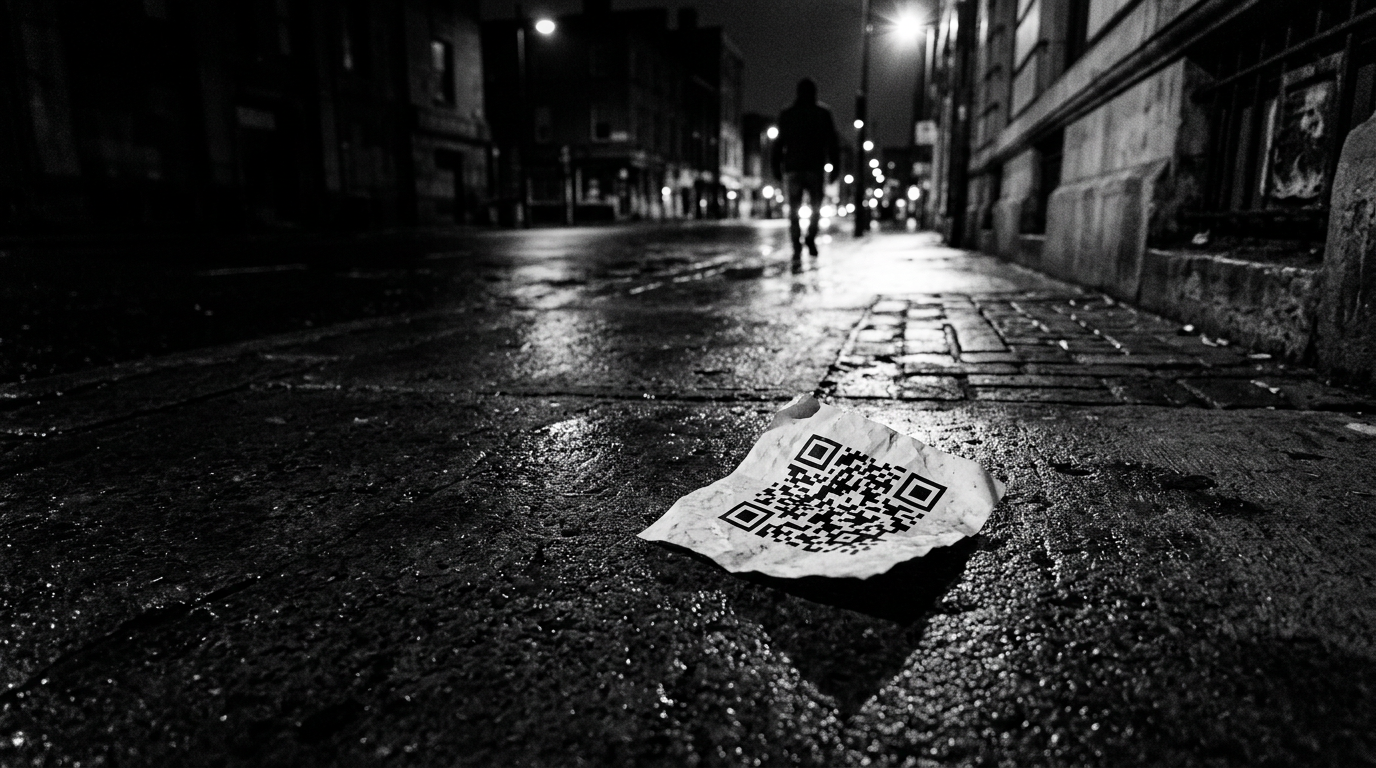
Cybercriminals are increasingly leveraging malicious QR codes, a tactic dubbed 'quishing,' to defraud individuals, with reported incidents surging by 700% over the last four years. This dramatic rise, noted by Report Fraud data, coincides with the ubiquitous integration of QR technology into daily life, from public transport to parking meters. Scammers exploit this trend by placing fraudulent QR code stickers over legitimate ones, or embedding them in phishing emails, leading users to compromise their financial details.
The method typically involves victims scanning a deceptive QR code, which then redirects them to a phishing website designed to steal payment information or prompts the download of harmful applications. Once personal details are entered or rogue software is installed, criminals gain unauthorized access to financial accounts. This often results in recurring fraudulent subscription charges or direct unauthorized withdrawals. One reported incident involved a victim who suffered repeated 60-pound withdrawals after scanning a counterfeit QR code for parking payment.
Exploiting Digital Trust and System Vulnerabilities
Beyond physical placements, malicious QR codes are now frequently integrated into phishing emails. This strategy allows cybercriminals to bypass conventional security filters designed to detect suspicious URLs. Because QR codes obscure their underlying destination links until scanned, they effectively circumvent automated spam detection systems that would otherwise flag traditional phishing attempts. This inherent design makes it significantly harder for both automated systems and users to differentiate legitimate codes from fraudulent ones before engagement.
The anonymity provided by QR codes, where the destination is only revealed upon scanning, is precisely what attackers exploit to leverage public trust in widely used services. As more sectors adopt QR codes for convenience and efficiency, the potential 'attack surface' for 'quishing' expands, underscoring the critical need for increased public awareness and vigilance.
Mitigation Efforts and Underreported Impacts
To counter this growing threat, experts advise individuals to use their device's native camera application for scanning QR codes rather than third-party apps, which might introduce additional risks such as malicious advertisements or tracking mechanisms. While native camera apps offer a more secure pathway, they do not entirely eliminate the risk if the initial code itself is fraudulent.
Authorities indicate that the actual scale of 'quishing' incidents is significantly larger than what is officially reported. A total of 2,743 cases were reported within the past 12 months, but this number is believed to represent only a fraction of the true victimizations. Many individuals may not report smaller financial losses or might not even realize they have been defrauded. This underreporting complicates efforts to accurately assess the full economic impact and scope of these sophisticated scams, highlighting the urgent need for comprehensive public education campaigns to mitigate these evolving digital threats effectively.
Long-Term Implications for Digital Security
The rise of 'quishing' scams represents an evolution in cybercrime, moving beyond traditional phishing methods to exploit new vectors introduced by technological convenience. The reliance on QR codes in public and commercial services has created new vulnerabilities that require both technological countermeasures and a heightened level of user awareness. The challenge for security professionals is not only to detect and block these evolving threats but also to educate the public on how to identify and avoid them, thereby safeguarding financial security in an increasingly digital world.