Lebanese Army Chief Visits Pakistan as Border Strikes Continue
Lebanese army chief visits Pakistan as border conflict with Israel escalates, following the killing of three Lebanese soldiers.
Lauren Collins ·
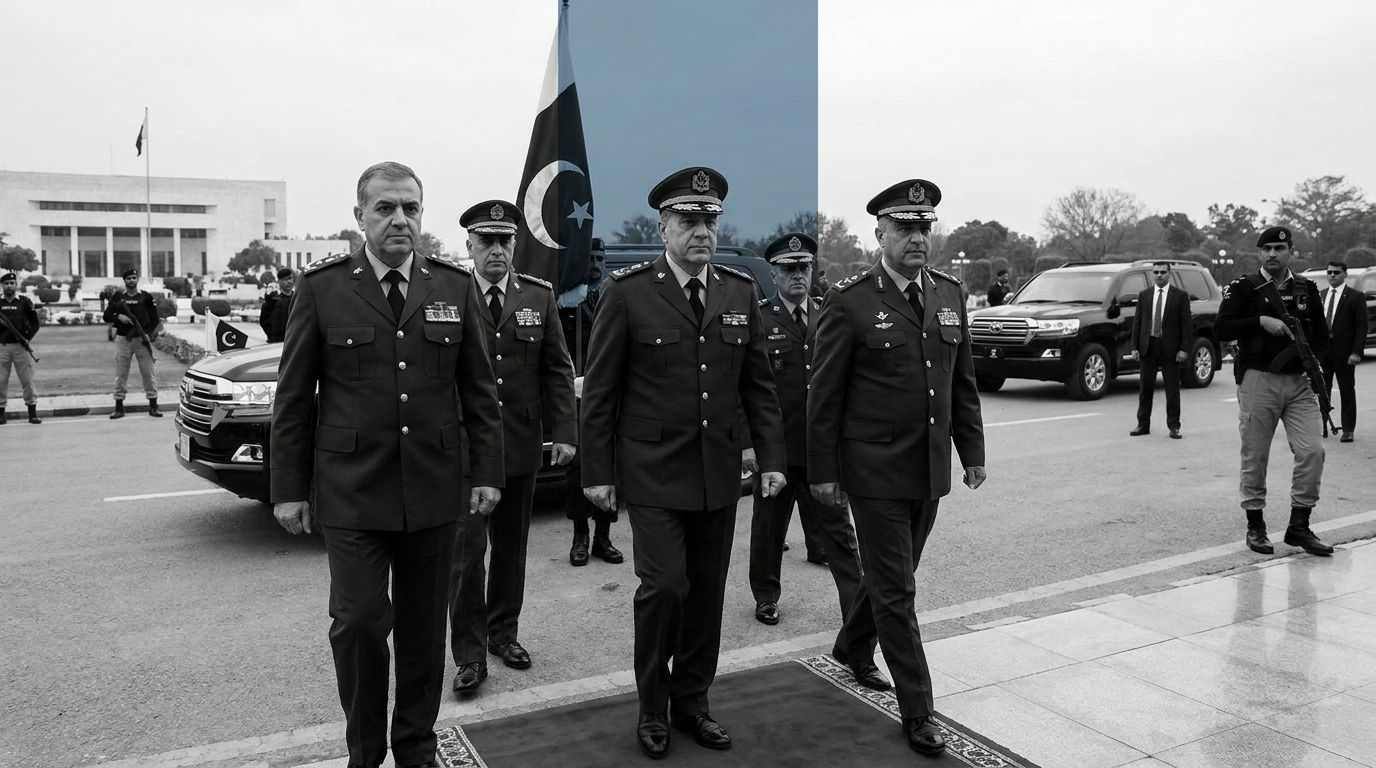
Lebanon’s army chief, Rodolphe Haykal, traveled to Pakistan on Saturday, June 7, 2026, as Lebanon prepared funerals for three soldiers killed in an Israeli strike in the country’s south. The deaths came as hostilities continued despite an April 17 ceasefire meant to halt fighting between Israel and Hezbollah. Israel said it was investigating the strike. Lebanese President Joseph Aoun described the attack as an attempt to undermine peace efforts.
The soldiers were killed when an Israeli strike hit a military vehicle on the Khardali-Nabatieh road, according to the report. Those killed were a brigadier general, a captain and a soldier. The visit by Haykal was not announced in advance.
The report said Pakistan has emerged as a central mediator between the U.S. and Iran, and that the timing of the trip drew attention because Lebanese leaders and Washington have said ceasefire talks for Lebanon should remain separate from U.S.-Iran negotiations. The broader diplomatic efforts described involve the U.S., Iran, Hezbollah, the Lebanese government and Israel.
Overnight attacks across southern Lebanon and western Bekaa
The report said Israeli forces carried out multiple attacks across southern Lebanon and the western Bekaa overnight. Hezbollah said it responded with rockets, artillery fire and drone attacks targeting Israeli positions.
Lebanon’s Ministry of Public Health said an Israeli raid on Saksakiyeh killed at least two people and wounded 22, including three children. The report also said two people were injured in a drone attack on Shahabiyeh.
Israeli air attacks and shelling were reported in several locations, including Qalawiya, al-Qatrani, Byblos, Rihan, Deir Kifa, Barashit, Chaqra, al-Mansouri, Bayt al-Sayyad, Srifa and Dweir. The report said paramedics continued to search for survivors under rubble after strikes.
Calls for negotiations amid a military imbalance
Lebanese lawmaker Najat Aoun Saliba said negotiations with Israel were necessary given what she described as a significant imbalance between the two militaries. She said the Lebanese Armed Forces had been weakened over 30 years in a way that boosted Hezbollah’s presence, and argued that Hezbollah is unable to prevent Israeli attacks.
The April 17 ceasefire was intended to stop fighting, but the report said near-daily attacks have continued and have prompted retaliatory actions by Hezbollah. Lebanese officials have framed the latest strike on Lebanese soldiers as complicating efforts to stabilize the border.
Further developments are likely to hinge on whether contacts involving Lebanon’s government and outside mediators can reduce cross-border attacks and clarify whether the Lebanon track remains separate from other regional negotiations.