Latvia’s Prime Minister Resigns After Stray Drone Incursions
Latvian Prime Minister Evika Silina resigned after a political crisis over Ukrainian drone incursions and the dismissal of her defense minister.
Lauren Collins ·
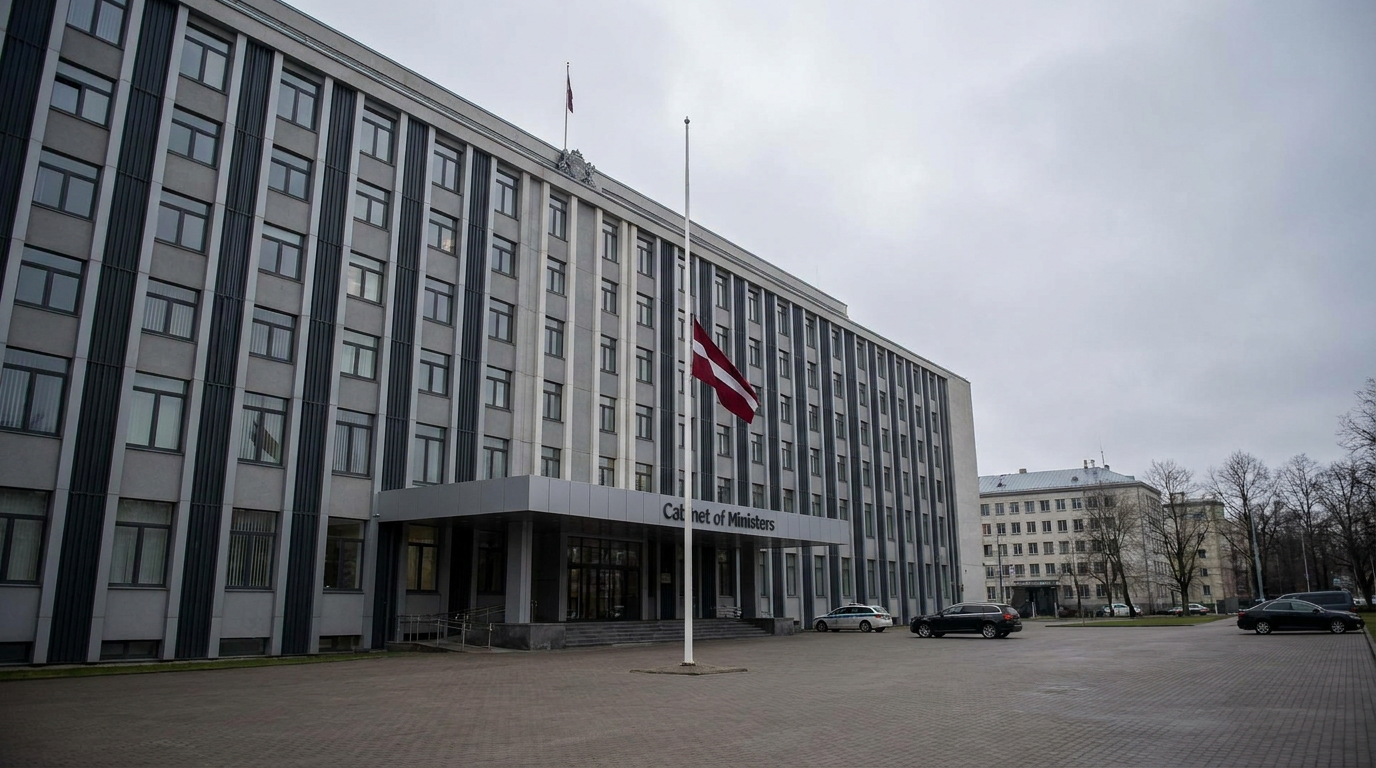
Latvian Prime Minister Evika Silina resigned on Thursday, May 9, after a political crisis over Ukrainian drones straying into Latvian airspace destabilised her governing coalition. The resignation followed her decision last week to dismiss Defence Minister Andris Spruds. Spruds’s Progressives party then withdrew support, leaving the coalition without a majority.
The political fallout was triggered by the incursion of three drones into Latvian airspace on May 7. Officials said the drones were believed to be Ukrainian unmanned aerial vehicles (UAVs) intended to target Russia, but they may have strayed after signal jamming.
One drone crashed, another struck an empty oil product storage facility near the town of Rezekne, and a third entered and exited Latvian airspace, officials said. No casualties or injuries were reported.
Delayed alerts draw public criticism
The incident prompted criticism from residents who said the official response was slow and insufficient. They said Latvia’s cell broadcast alert system was not activated for about an hour after one of the drones crashed near Rezekne.
Silina said after the incident that “something went wrong” and that the situation could not continue. She later said she asked Spruds to step down not only over the drone response but also because of broader issues in the defence sector.
Next steps for a new government
Silina, who took office in September 2023, pointed to Latvia’s defence spending, which she said totals 5% of GDP, and argued it required “much higher level of responsibility toward society” and “clear results.” President Edgars Rinkevics said he would decide on the quickest possible formation of a new government on May 15.
The developments come as Latvia, like neighbouring Baltic states Lithuania and Estonia, has accelerated defence preparations amid concerns about potential Russian aggression. Latvia has also reintroduced compulsory military service.
Attention is now on whether a new coalition can be formed quickly, and how Latvia’s next government handles airspace security and public warning systems as the war in Ukraine continues.