Chargers offense reset targets Herbert in 2026
Chargers offense reset for the 2026 season centers on Justin Herbert’s development under new coordinator Mike McDaniel and a quicker-release plan.
Mehmet Şahinoğlu ·
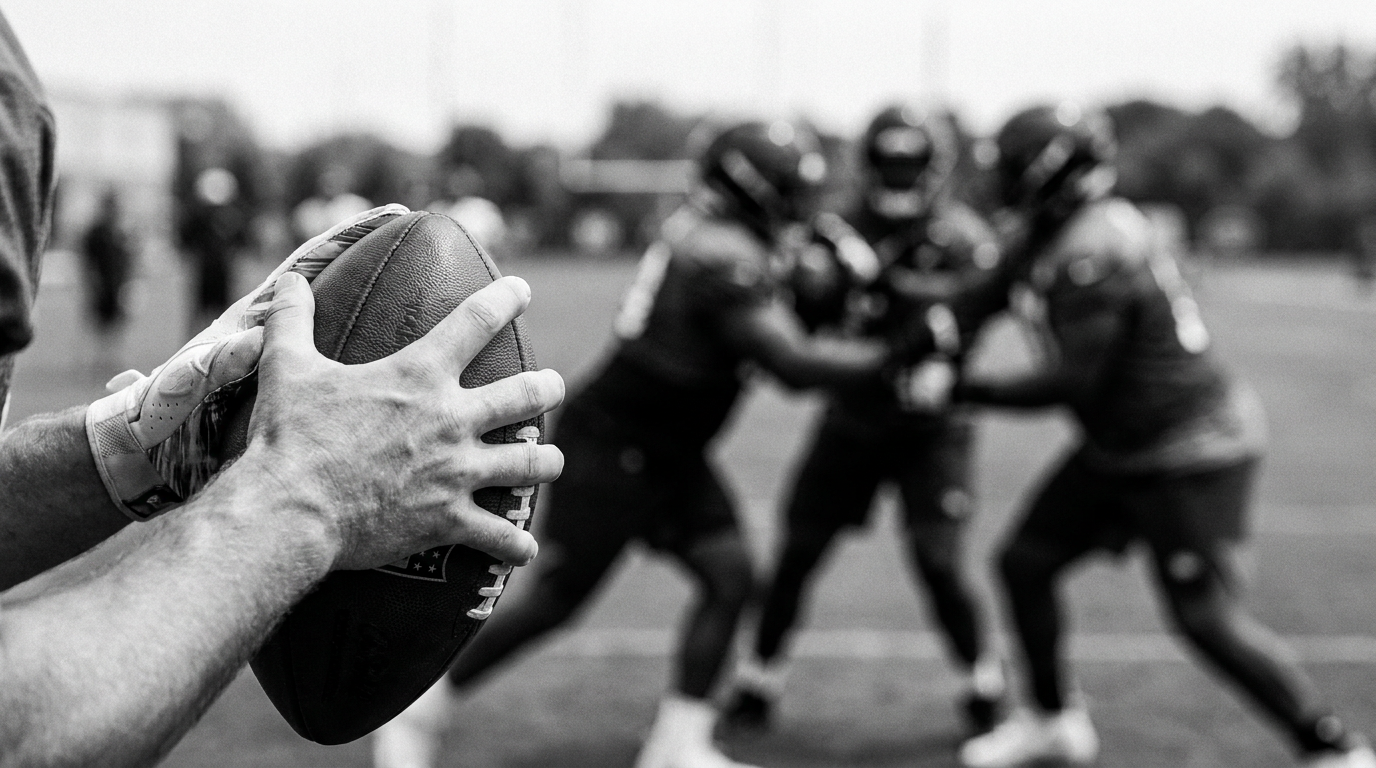
The Los Angeles Chargers are reshaping their offense for the 2026 NFL season with a clear priority: accelerating the development of quarterback Justin Herbert under new offensive coordinator Mike McDaniel. The shift, the team indicated, is designed to help Herbert operate faster, limit exposure to hits, and stabilize production after injuries impacted the club in the previous season.
McDaniel, who arrived in Los Angeles following his time with the Dolphins, is installing an approach that emphasizes timing, faster decision-making, and a cleaner pocket. The Chargers’ offensive staff has tied the new plan to measurable on-field habits, starting with how Herbert sets up and delivers the ball from the shotgun.
McDaniel’s technical changes and Harbaugh’s rollout
One of the most concrete adjustments has come One of the most concrete adjustments has come in Herbert’s footwork. Coaches said McDaniel has modified Herbert’s shotgun stance, a technical change aimed at speeding up his release and helping him get the ball out more quickly. Head coach Jim Harbaugh and the Chargers’ coaching staff have pointed to Herbert’s ability to absorb the system quickly as a key early indicator that the installation is progressing as intended. The team’s messaging around training camp has framed the transition as both a schematic and developmental reset, with the quarterback’s efficiency at the center. The Chargers also aligned personnel decisions with the schematic direction. The front office added center Tyler Biadasz and fullback Alec Ingold, moves that support an offense focused on structure, timing, and sturdier interior protection.
Offensive line health and roster support for Herbert
Protecting Herbert has been presented as a major Protecting Herbert has been presented as a major theme after injuries disrupted the Chargers in the prior season. A faster release can reduce pressure, but the Chargers are also leaning on improved availability up front. The return of healthy starting tackles Rashawn Slater and Joe Alt is part of the team’s plan to strengthen the offensive line and reduce the risk factors that can derail a season. With stability at tackle and an added center, the Chargers are attempting to build a more reliable platform for the quarterback to operate on schedule. Backfield rotation expands, with Keaton Mitchell featured Alongside the passing-game emphasis, the Chargers are broadening how they use their running backs. The staff is integrating a more varied rotation intended to create different looks and keep defenses from keying on a single tendency.
Running back Keaton Mitchell is expected to serve as a primary change-of-pace option, particularly in passing situations. Coaches have highlighted that role as a point of emphasis, positioning Mitchell as a complementary piece within an offense that still runs through Herbert’s arm talent and field vision.
The Chargers said these changes reflect a wider organizational push to maximize Herbert’s physical tools while making the offense function faster and cleaner as the team moves through training camp toward the regular season. How quickly the group converts the install into consistent execution remains an open question until game action provides a clearer test.
Implications
Country Impact: For the United States, the Chargers’ 2026 offensive changes add to the league-wide focus on quarterback development and injury risk management. The team’s approach also reflects how coaching hires can drive roster moves and reshape a franchise’s identity within a single offseason.
Industry Impact: For the NFL and related football operations, the Chargers’ plan underscores the growing emphasis on timing-based passing, quick-release mechanics, and offensive line continuity. Personnel additions such as a center and fullback also highlight how specific roles are used to support scheme installation and quarterback efficiency.
Market Impact: From a market perspective, the move signals a franchise commitment to building around its starting quarterback with coaching, protection, and complementary skill sets. The practical impact will depend on whether the new system translates during the regular season and whether improved health along the offensive line holds.