Kazuyoshi Miura, 59, scores in Emperor’s Cup rout
Kazuyoshi Miura scored in the Emperor’s Cup as Fukushima United won 7-0, his first competitive since November 2022.
Mehmet Şahinoğlu ·
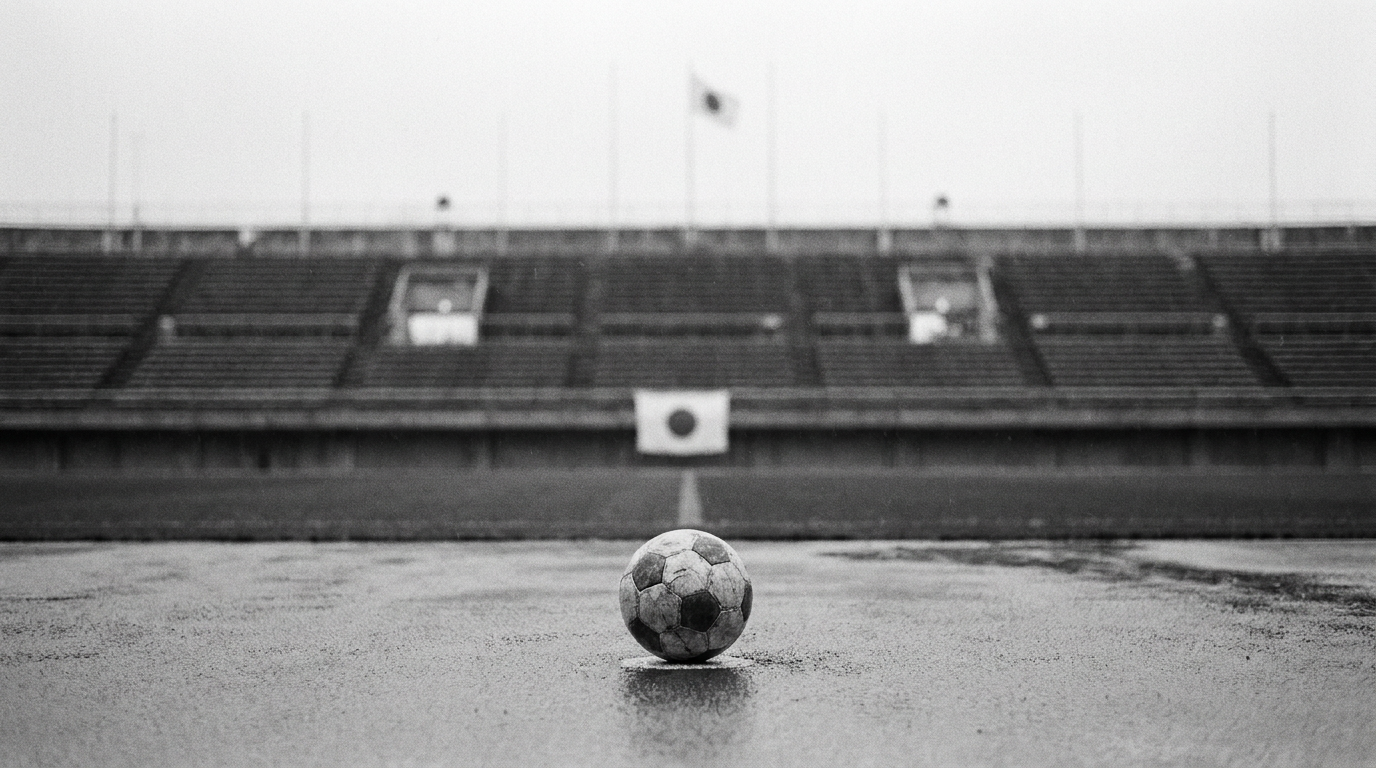
Kazuyoshi Miura scored his first competitive in more than three-and-a-half years, helping Fukushima United to a 7-0 win over Iwaki Furukawa in the Emperor’s Cup. Miura, 59, struck in the 52nd minute and was substituted soon after, as Fukushima United secured progression in the cup.
The ended a lengthy drought for the veteran forward, whose previous competitive strike came in November 2022. Officials and club observers have long pointed to Miura’s rare longevity, and the latest appearance added another milestone to a career that continues to draw attention inside Japan’s domestic game.
Miura’s first competitive since November 2022
Miura is widely recognised as the world’s oldest active professional footballer. His finish in the second half arrived during a one-sided tie that finished 7-0, with Fukushima United comfortably moving on in the Emperor’s Cup.
Fukushima United said Miura is currently with the J-League third-division club on loan, and that the arrangement has been extended until June 2027. The extension provides a clear runway for continued involvement, even as his match minutes can vary depending on competition and team needs.
A 42nd professional season and an ambition to play to 60
Miura is in his 42nd professional season, having begun his career in 1986. He has repeatedly stated an ambition to keep playing until age 60, a target he is positioned to reach under the current agreement.
Within Japan, Miura’s continuing presence remains a notable storyline for the sport, not only because of the age record but also because his appearances tend to generate heightened interest. The 7-0 cup win offered Fukushima United a high-profile moment, with Miura’s providing a focal point inside a decisive result.
Commercial and cultural significance as the league prepares a shift
Officials involved in Japanese football have also been preparing for a major calendar change, with the domestic league set to move from a spring-autumn season to an autumn-spring schedule. The broader operational transition has placed added focus on planning and continuity across clubs, even as teams balance squad management and competition priorities.
Fukushima United can also draw on Miura’s profile in ways that extend beyond the pitch. The club has been able to leverage his experience in specific competitions, and his unique status can lift fan engagement and media attention, particularly in cup ties where a single moment can shape the narrative of a match.
For now, the immediate fact is clear: Miura has returned to the scoresheet in a competitive fixture, and Fukushima United advanced after a dominant Emperor’s Cup performance. How frequently he will feature as schedules evolve remains dependent on coaching choices and competition demands.