Dresden Evacuation After WWII Bomb Discovery
Dresden, Germany, evacuated 18,000 people after a 250kg WWII bomb was found, highlighting ongoing challenges from historical ordnance.
Lauren Collins ·
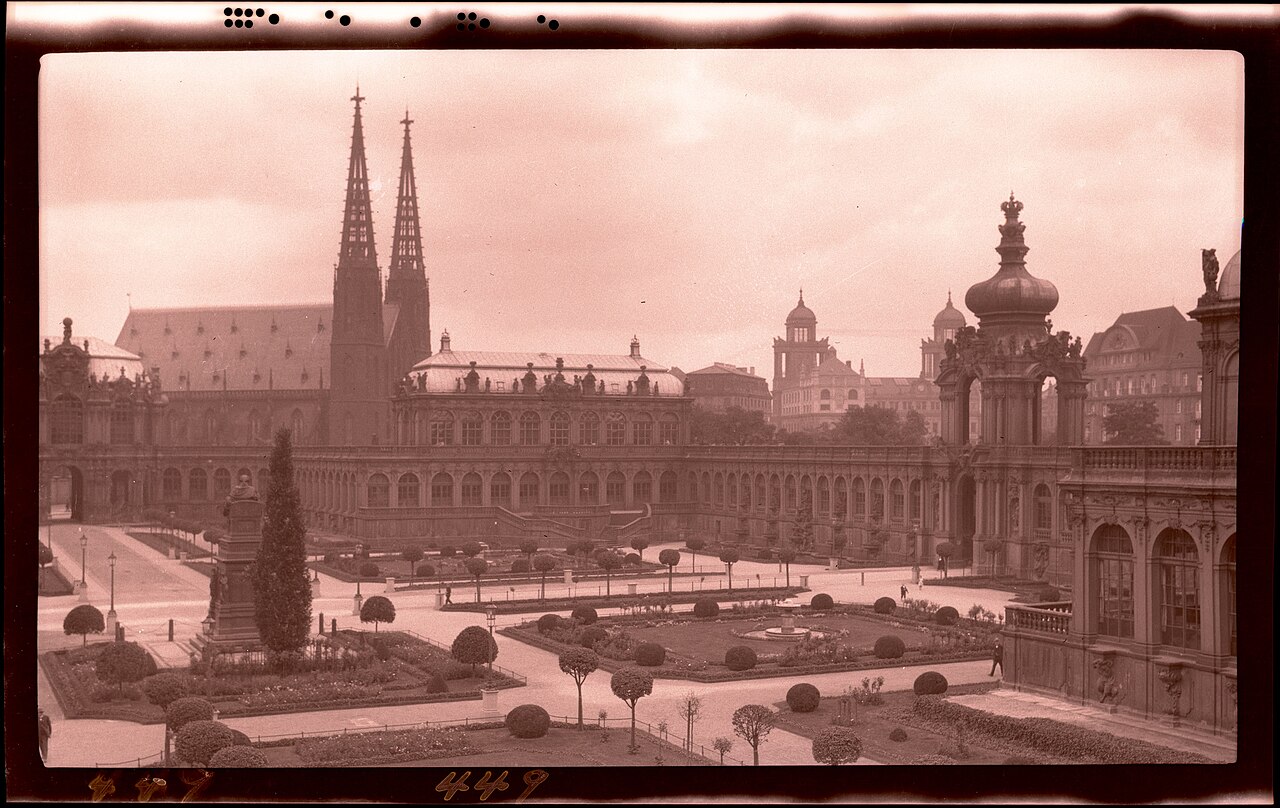
Dresden, Germany, initiated a significant evacuation on Wednesday after an unexploded 250kg British World War II aerial bomb was discovered. The device, found near the former Carola Bridge, prompted authorities to clear an area affecting approximately 18,000 individuals, including residents, tourists, and daily commuters.
The cordon was established by 09:00 local time, encompassing several prominent city landmarks. These included the Frauenkirche, the Residenzschloss Palace, and the Semper Opera House. Government buildings and various social institutions also fell within the designated evacuation zone.
Emergency Response and Logistics
Local authorities mobilized extensive resources to manage the large-scale operation. Emergency accommodation was arranged at the Dresden Exhibition Centre to house those displaced by the incident. Additionally, public transport services were augmented to facilitate the movement of evacuees.
The duration required for the bomb disposal operation remains uncertain. Specialized teams are currently assessing the device and planning its safe defusal. This event represents the largest evacuation in Dresden's history specifically for an unexploded ordnance discovery.
Historical Context of Unexploded Ordnance
The discovery highlights the enduring legacy of World War II bombing campaigns across Germany. Dresden experienced devastating Allied air raids in February 1945, during which nearly 4,000 tons of bombs were dropped on the city. These attacks resulted in an estimated 25,000 fatalities and widespread destruction.
Unexploded ordnance from this period continues to be unearthed regularly across Germany, particularly during construction projects. Such discoveries frequently necessitate evacuations and specialized disposal operations, underscoring the long-term impact of historical conflicts on modern urban environments.
Broader Implications for Urban Development
Cities like Dresden, which suffered extensive damage during the war, often encounter these remnants as infrastructure is updated or new developments commence. The presence of unexploded bombs poses ongoing safety risks and can cause significant disruptions to daily life and economic activity. The meticulous process of identifying, evacuating, and defusing these devices is a routine, albeit critical, task for German authorities.
This incident serves as a reminder of the complex challenges faced by post-conflict societies in managing the physical remnants of war, even decades after hostilities cease. The systematic approach to ordnance disposal reflects a commitment to public safety and the careful management of historical hazards.
Implications
Country Impact: Germany frequently deals with unexploded ordnance from WWII, leading to periodic disruptions in urban centers. These incidents highlight the ongoing costs and logistical challenges of managing historical conflict remnants.
Industry Impact: Construction and infrastructure development sectors in Germany face potential delays and increased costs due to the discovery of unexploded bombs. Specialized ordnance disposal services are a critical, albeit niche, industry.
Market Impact: While localized, such events can temporarily impact local businesses within evacuation zones. Broader market implications are minimal unless disruptions are prolonged or affect critical infrastructure.