Australia Weighs Capital Gains Tax Reform for Housing
Australia's Treasurer Jim Chalmers is set to propose capital gains tax reforms in May, potentially reducing the discount for housing investors to 33%.
Atlas Newsdesk ·
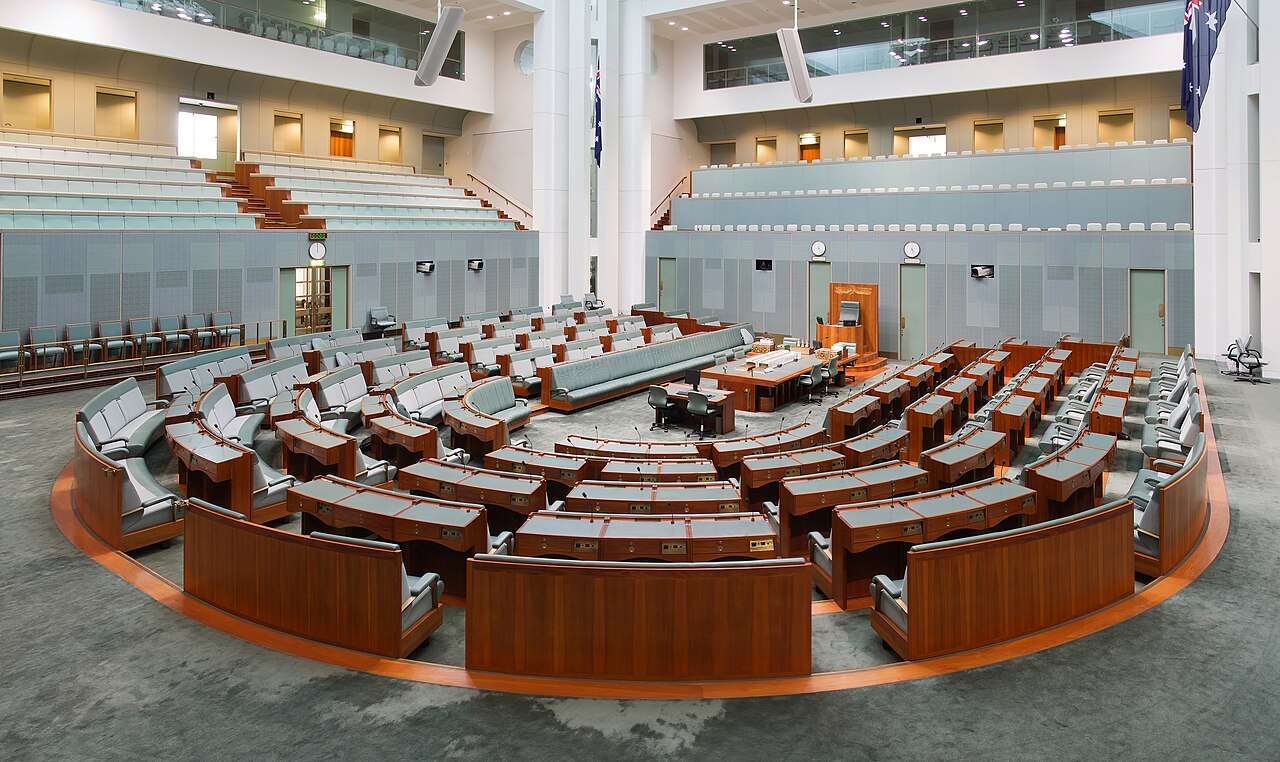
Australia's federal government is considering significant adjustments to its capital gains tax (CGT) discount, specifically targeting property investors. Treasurer Jim Chalmers is anticipated to introduce these proposals in the upcoming May federal budget. The potential reforms aim to address growing concerns regarding intergenerational inequality within the housing market.
This initiative stems from a parliamentary inquiry that scrutinized the existing 50% CGT discount. Established in 1999, this discount allows individuals to pay tax on only half of their capital gains if an asset is held for more than a year. The inquiry, spearheaded by the Greens, concluded that the current structure primarily benefits property investors, contributing to a housing market that increasingly disadvantages owner-occupiers.
Proposed Changes to CGT Discount
Treasury officials are reportedly evaluating various scenarios, including a potential reduction of the CGT discount for housing investors to 33%. Under these proposals, the 50% discount would likely remain unchanged for other asset classes, such as shares. This differentiated approach seeks to specifically rebalance incentives within the property sector.
Addressing Housing Inequality
The proposed changes are part of a broader government strategy to tackle intergenerational wealth disparities. Critics argue that the current tax framework, combined with negative gearing provisions, disproportionately favors affluent Australians investing in real estate. This has been linked to a decline in homeownership rates among younger demographics.
Data indicates a notable shift in property ownership patterns since the CGT discount's inception. For instance, homeownership among Australians aged 30 to 34 has decreased from 57% when the discount was introduced to approximately 50% today. This trend underscores the inquiry's findings regarding the impact of current tax settings on housing accessibility.
Economic and Political Context
The Australian government faces increasing pressure to make housing more affordable, particularly for first-time buyers. Reforming the capital gains tax is viewed as one mechanism to cool the investment property market and potentially free up housing stock. Any changes would represent a significant policy shift, likely sparking debate among various economic and political stakeholders.
Previous attempts at tax reform in Australia, especially those touching on property, have often met with considerable public and industry scrutiny. The government's approach will need to balance the objective of reducing inequality with potential impacts on investor confidence and the broader housing market stability. The May budget will provide further clarity on the specific details and scope of these proposed reforms.
Implications
Country Impact: Australia's housing market could see a rebalancing of investment incentives, potentially making homeownership more accessible for first-time buyers. This reform aims to mitigate intergenerational wealth inequality, but could also impact property values and investor sentiment.
Industry Impact: The real estate sector, particularly property investors, may face altered financial landscapes due to reduced tax benefits. This could lead to shifts in investment strategies and potentially moderate the pace of property price growth in certain segments.
Market Impact: Australian financial markets might react to the proposed changes, with potential implications for property-related stocks and investment vehicles. Investor confidence in the housing market could be affected, leading to adjustments in portfolio allocations.