King Charles Speech Warns US Against Turning Inward
In a rare address, King Charles III delivered a speech to Congress urging the U.S. to uphold its global leadership and resist isolationist trends.
Lauren Collins ·
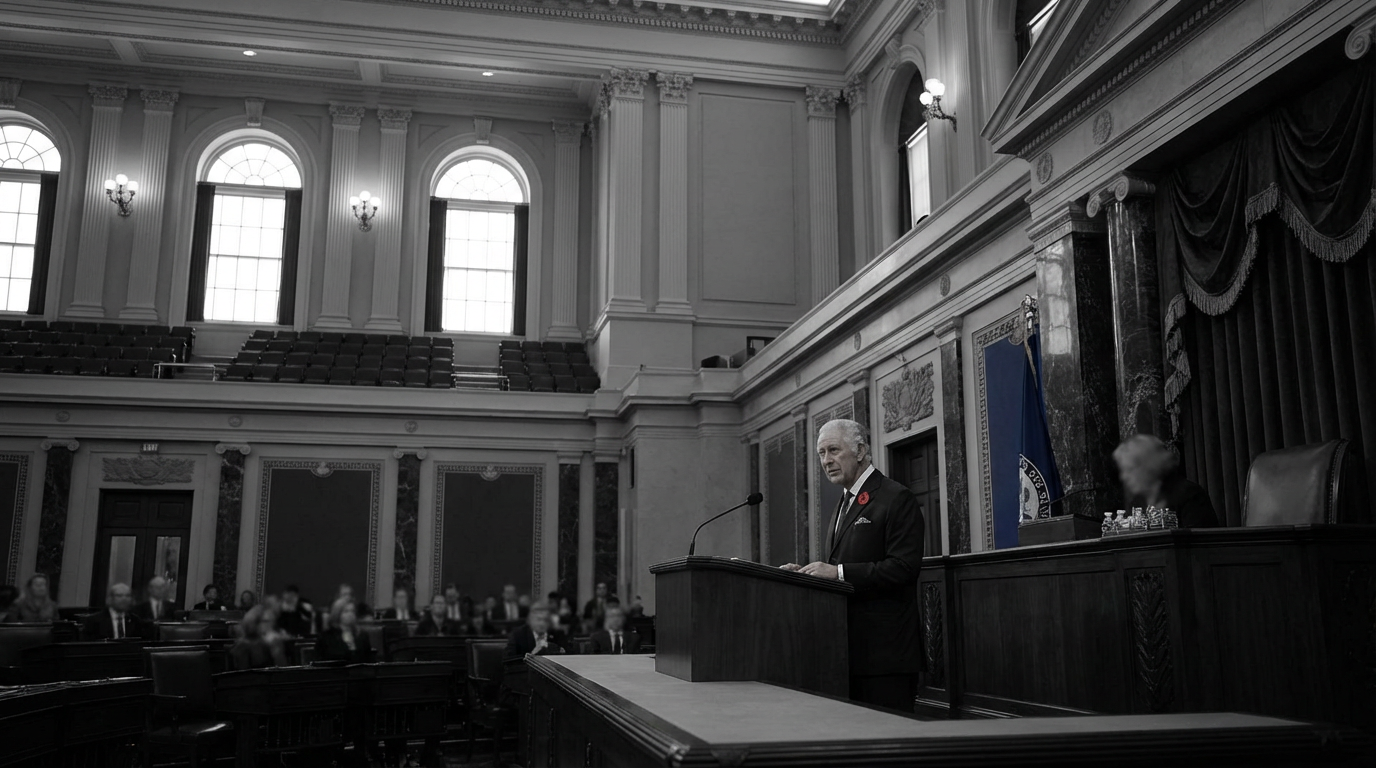
A Royal Plea Against Isolationism
In a rare address, King Charles III delivered a speech to Congress urging the U.S. to uphold its global leadership and resist isolationist trends. His remarks before a joint session included a pointed defense of NATO and a call for continued American support for Ukraine.
The monarch’s message served as a direct appeal for the United States to maintain its long-standing international commitments. He framed his argument around the defense of shared democratic values against rising global threats, marking a significant moment in transatlantic relations.
A Call for Renewed Alliance
This was the first time a reigning British monarch has addressed the U.S. Congress in more than three decades. The King invoked the enduring “special relationship” and the deep historical heritage that connects the two nations.
He specifically referenced the upcoming 250th anniversary of America’s Declaration of Independence, using the historical milestone to underscore a legacy of linked principles. The appeal sought to bridge current divisions by focusing on a common foundation.
In a striking moment of directness for a constitutional monarch, King Charles urged lawmakers to resist disengagement. "I pray with all my heart that our alliance will continue to defend our shared values... and that we ignore the clarion calls to become ever more inward-looking," he stated, with Vice President JD Vance and House Speaker Mike Johnson seated behind him.
Navigating Tense Diplomatic Waters
The King's intervention comes at a time of significant diplomatic friction between Washington and London. The relationship between the two historic allies has been described as reaching its lowest point in decades, prompting an unusual move from the typically apolitical monarchy.
A public and acrimonious feud between U.S. President Donald Trump and British Prime Minister Keir Starmer has strained traditional channels of communication. The two leaders, who once enjoyed a warmer rapport, are now openly at odds on the world stage.
Key points of contention include differing stances on the ongoing war in Iran. President Trump’s stated ambitions regarding the annexation of Greenland, which Prime Minister Starmer has publicly opposed, have also contributed to the deterioration of ties.
Implications for the Special Relationship
King Charles’s speech is being widely interpreted as a strategic diplomatic maneuver aimed at appealing directly to the legislative branch of the U.S. government. This approach notably bypasses the current tensions between the executive leaders of both countries.