Antonelli Dominates Japan, Seizes F1 Lead
Antonelli won the Japanese GP on March 29, 2026, for a second straight win, becoming the youngest F1 standings leader after three races.
Mehmet Şahinoğlu ·
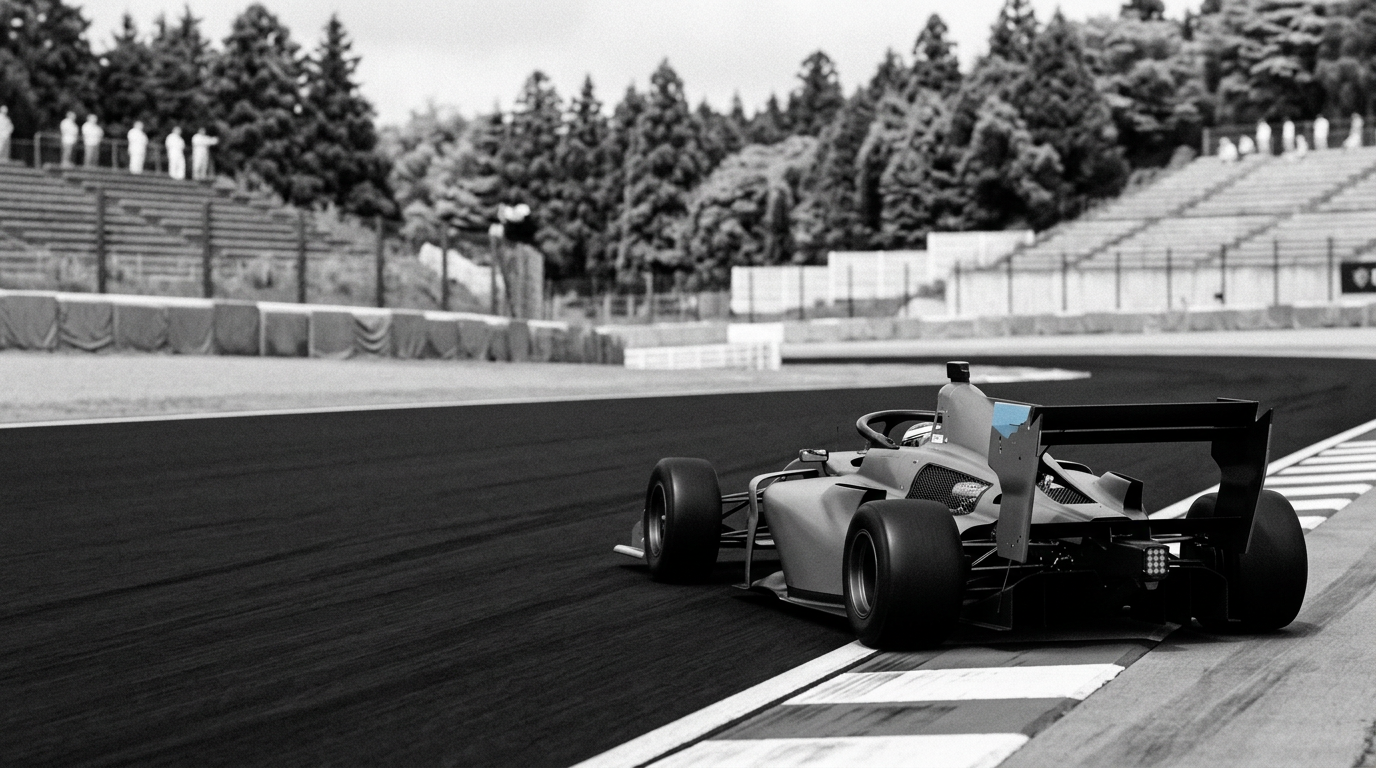
Mercedes driver Kimi Antonelli won the Formula One Japanese Grand Prix at Suzuka on Sunday, March 29, 2026 , extending his momentum to a second straight victory and moving to the top of the championship standings after three rounds.
The result also made the 19-year-old Italian the youngest driver to lead the world championship standings, a milestone that reshapes the early-season narrative around both Mercedes’ competitiveness and the title fight.
How the race turned
Antonelli began from pole position but lost ground at the start, sliding back to sixth in the opening phase.
The decisive moment came mid-race when a safety car was deployed following a crash involving Haas driver Ollie Bearman . Antonelli used the neutralisation to pit and rejoin in front, converting track position into a race win.
Podium order and key finishers
Antonelli took the chequered flag ahead of McLaren’s Oscar Piastri in second and Ferrari’s Charles Leclerc in third.
Mercedes teammate George Russell , who had been leading the standings before Suzuka, finished fourth . Russell pitted shortly before the safety car period, a timing shift that left him unable to fight for the win once the field was compressed.
Championship picture after three races
With three races completed, Antonelli now leads the championship, building directly on his first career Grand Prix victory in China two weeks earlier . The back-to-back wins underline how quickly the standings can swing when strategy and race interruptions align.
Further down the order, Red Bull’s Max Verstappen , a four-time world champion , finished eighth after starting 11th . The result leaves key questions about relative pace and weekend execution unanswered from the available information, including why Verstappen qualified outside the top 10 and how much of the recovery was driven by race speed versus race circumstances.
Why this matters beyond Suzuka
In market and business terms, a new championship leader can quickly shift attention across the sport’s global commercial ecosystem, from team partners to event promoters, because title narratives influence audience focus across regions.
However, the race also highlights a recurring uncertainty in modern Formula One: outcomes can hinge on safety car timing, which can amplify or erase advantages built on raw pace. With only three races run, the durability of Antonelli’s lead remains an open question, and the competitive order between Mercedes, McLaren, Ferrari, and Red Bull cannot be fully inferred from this single event alone.