Khamenei funeral draws mass crowds as succession stays opaque
Large mourning crowds in Tehran mark Khamenei’s death, while Iran’s next power center remains publicly undefined.
Mateo Fernandez ·
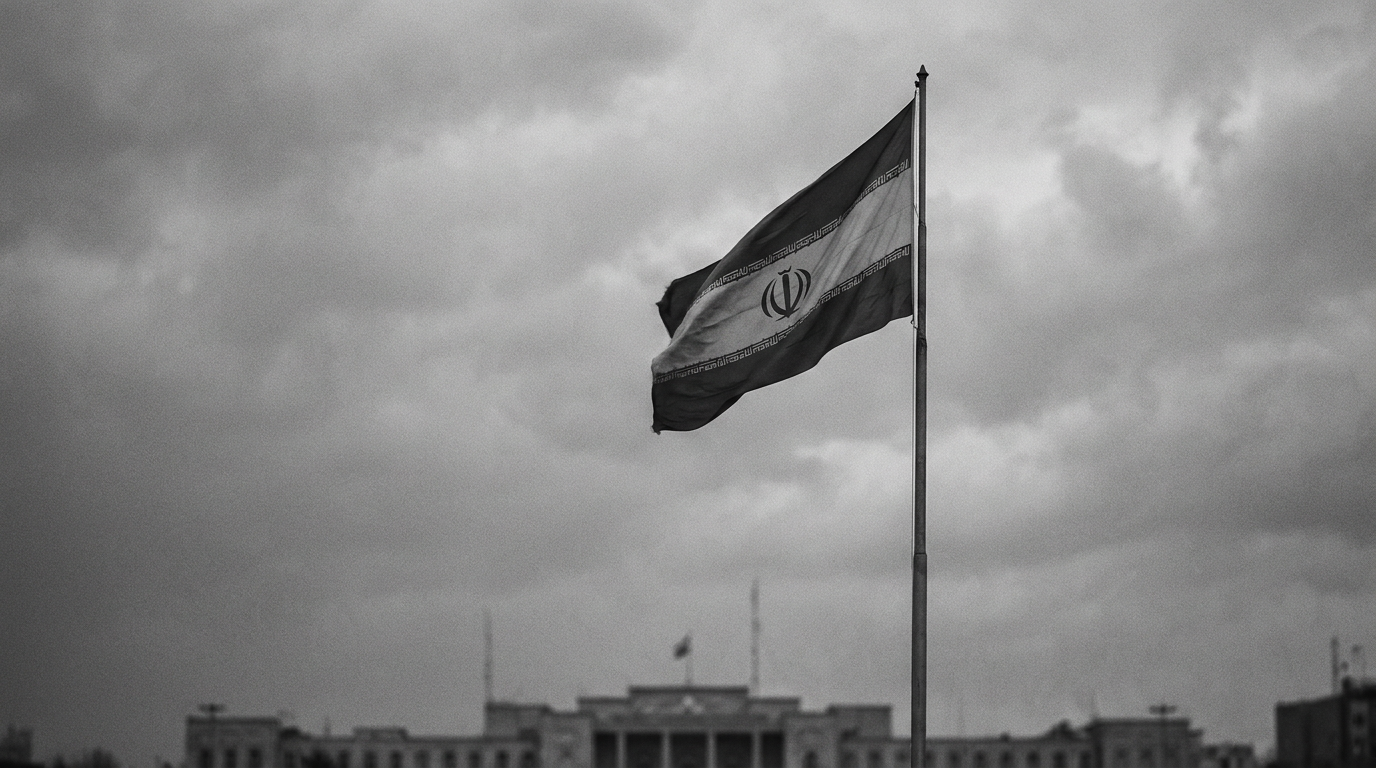
Tens of thousands of mourners gathered in black at the Imam Khomeini Grand Mosalla in Tehran for the funeral and lying in state of Ayatollah Ali Khamenei, officials and images from the capital showed. Reaction pending. The ceremony follows Khamenei’s assassination on February 28, the opening day of a war between Iran and the United States.
The size and choreography of the mourning period matter because Khamenei was the central political and religious figure in Iran’s system. His absence leaves the public face of authority less clear at a moment when the country is already in direct conflict with Washington.
Tehran mourning tests succession control
The immediate question is not only who formally succeeds Khamenei, but how visibly Iran’s institutions manage the transition. A tightly controlled funeral and mass turnout would signal continuity to domestic audiences and foreign governments. Any delay, conflicting messaging or unusually heavy security would point to strain inside the ruling structure.
For global macro conditions, the risk channel runs through energy, shipping
insurance, sanctions exposure and regional security premiums. If Tehran projects institutional unity, markets may focus on the war’s military path rather than succession uncertainty.
If the leadership picture stays opaque, governments and investors may price
a wider range of escalation risks across Gulf shipping and regional assets.
For Iran, the funeral is also a test of command discipline. For the wider Middle East, it is a signal watched by allies, rivals and energy importers. By July 6, 2026, the key forward marker is whether Iranian authorities present a clearer governing line or keep the next leader largely out of public view.