Stonewall chair Kezia Dugdale apologises over Rowling
Stonewall incoming chair Kezia Dugdale apologised on September 14, 2023 after criticism of her “huge respect” remarks about J.K. Rowling.
Ayla Demirhan ·
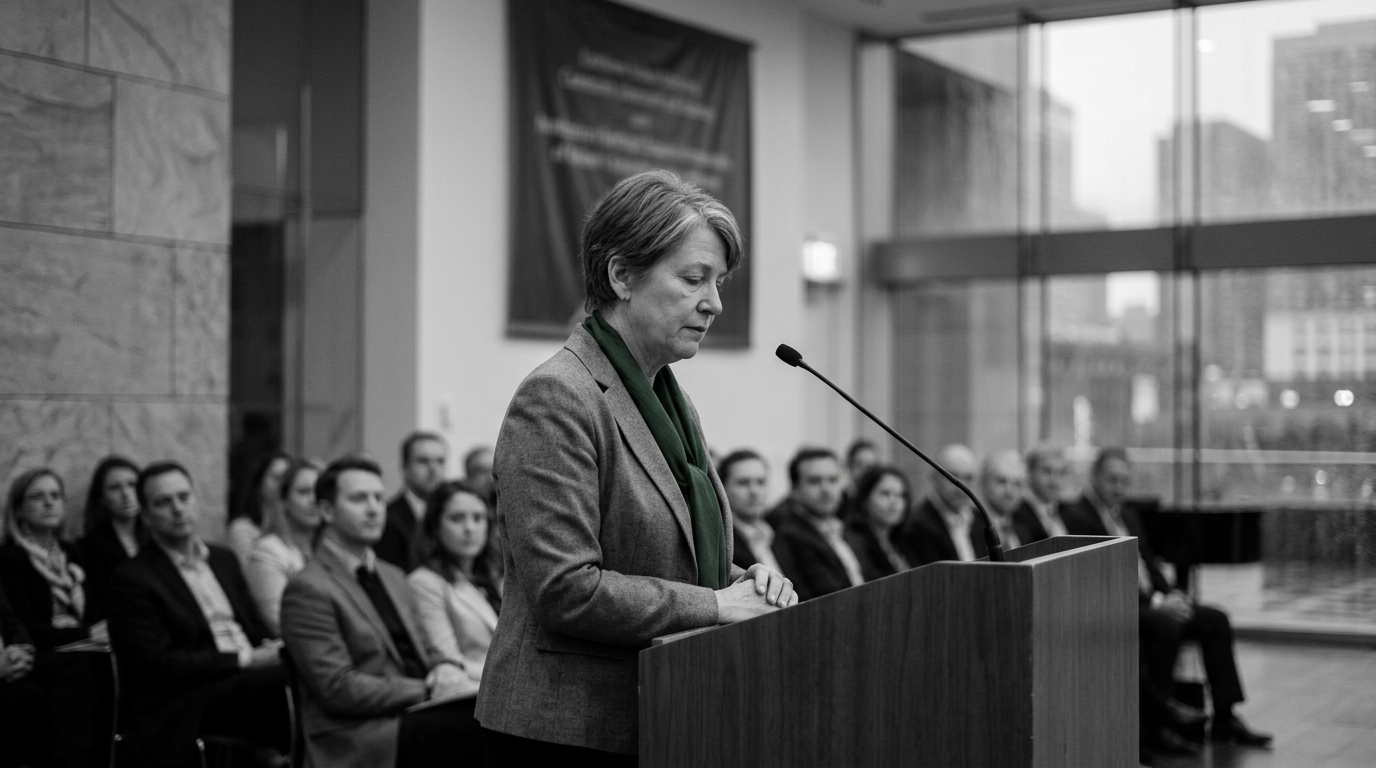
Kezia Dugdale , the incoming chair of LGBTQ+ charity Stonewall, issued an apology on September 14, 2023 after facing public criticism over comments she made about author J.K. Rowling.
The backlash followed a recent interview in which Dugdale said she had “huge respect” for Rowling. Those remarks were made during an interview for the Today in Focus podcast, where Dugdale also referred to Rowling’s personal story as inspirational. In the same discussion, she argued for what she described as a need for “generosity of spirit” when dealing with “culture wars” linked to gender identity.
In her statement apologising, Dugdale said her comments had caused “worry, anger and upset.” She sought to address concerns raised by trans advocates, who pointed to Rowling’s past comments about transgender people, which many view as harmful. Dugdale said her feminism is and has always been trans-inclusive, and added that she would “never condone behaviour from anyone that seeks to or causes harm to anyone in our community.”
The episode drew criticism from different directions. Some trans writers accused Stonewall of becoming less effective, linking their concerns to Dugdale’s remarks. At the same time, gender-critical feminists highlighted Dugdale’s praise for Rowling, underscoring how the interview was interpreted across opposing sides of a highly contested public debate.
Dugdale’s apology also reaffirmed Stonewall’s commitment to the entire LGBTQ+ community. Her statement positioned the charity’s role as representing all parts of that community amid heightened scrutiny of how organisations communicate on issues involving gender identity and transgender rights.
Dugdale is scheduled to take up the chair position in September, succeeding Ayla Holdom, a transgender woman. The leadership transition has added attention to how Stonewall frames its priorities and public messaging, particularly when prominent cultural figures are involved and when advocacy groups and critics are closely monitoring signals of alignment.