Senate Confirms Kevin Warsh as Federal Reserve Chair, Replacing Powell
Senate confirmed Kevin Warsh as Federal Reserve chair. Confirmation paused during Justice Dept. probe of Chair Jerome Powell, now closed.
Sophie McAlister ·
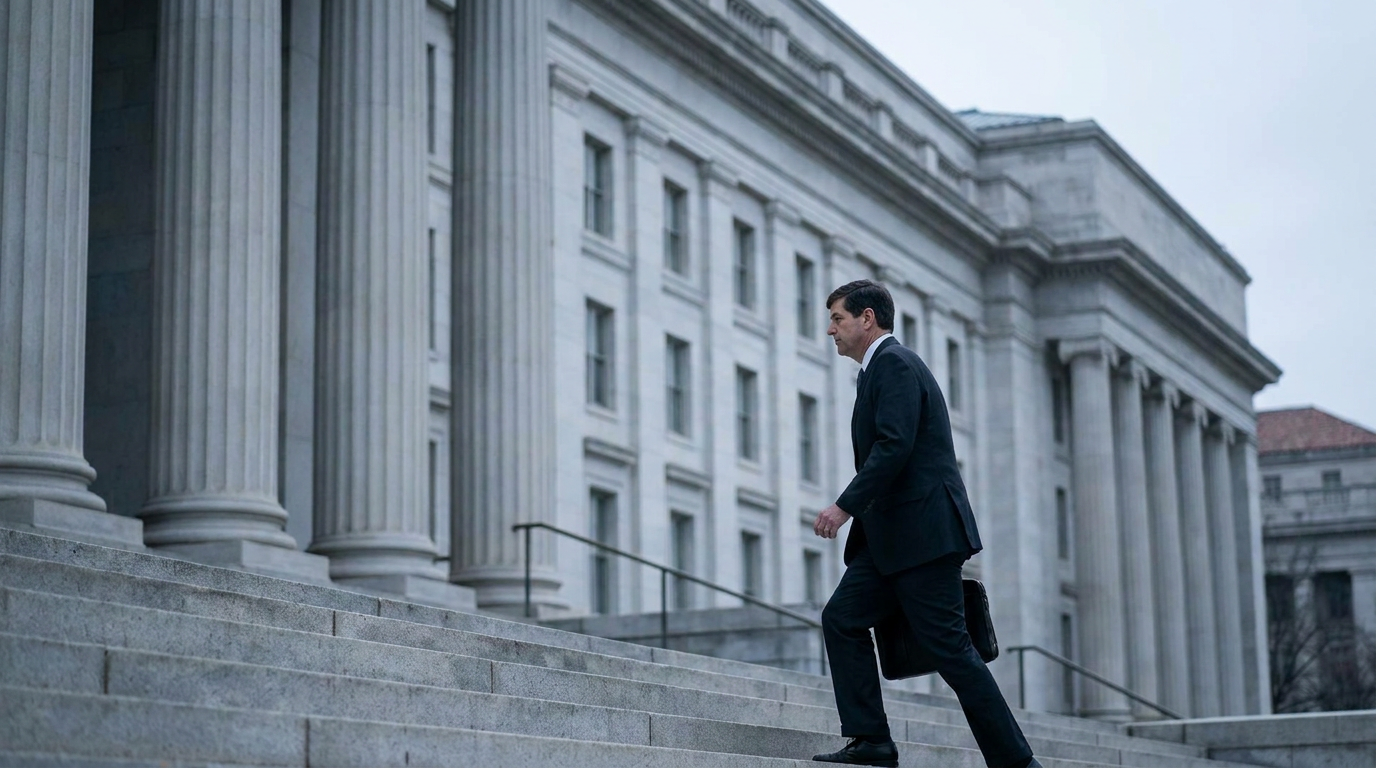
The Senate confirmed Kevin Warsh as chair of the Federal Reserve on Wednesday, elevating a new leader to the central bank headquartered in Washington, D.C. The vote followed a delay earlier this year tied to a Justice Department inquiry involving outgoing Chair Jerome Powell; that probe was closed in April, clearing the path for Warsh’s confirmation.
Warsh’s nomination advanced along largely party lines, reflecting partisan divisions in the confirmation process on Capitol Hill. Lawmakers had publicly debated the timing and propriety of moving forward while the Justice Department maintained an active review of matters involving the Federal Reserve’s leadership.
Confirmation delayed by probe into outgoing chair
The nomination was put at risk when a Republican senator announced a block while the Justice Department investigated Powell. After federal prosecutors discontinued that inquiry in April, the senator removed his hold and the Senate resumed consideration of Warsh’s nomination. The vote took place at the U.S. Capitol and the confirmation transfers leadership responsibilities to the Fed’s board in Washington.
What Warsh’s confirmation means in Washington
As chair, Warsh now oversees the Federal Reserve’s operations from its headquarters at the Marriner S. Eccles Federal Reserve Board Building in the capital. The change in leadership arrives amid persistent economic uncertainty globally and underlines the close ties between monetary policy decisions and political dynamics on Capitol Hill.
Members of Congress and market participants will be watching the Fed’s next moves on interest rates, balance-sheet policy, and guidance to markets. The chair’s agenda and the board’s policy decisions will be closely followed by federal agencies and financial institutions that operate in and through Washington.
In the short term, the Fed’s internal transition and Warsh’s early public statements and policy signals will set the tone for how the central bank addresses inflation, growth, and financial stability concerns.
Observers should expect continued oversight from senators and ongoing scrutiny of Fed communications as Warsh settles into the role.