Kenya Transport Strike Hits Nairobi Amid Fuel Price Surge
Public transport operators in Kenya began a strike Monday due to a 50% surge in diesel prices, disrupting services in Nairobi and other major towns.
Lauren Collins ·
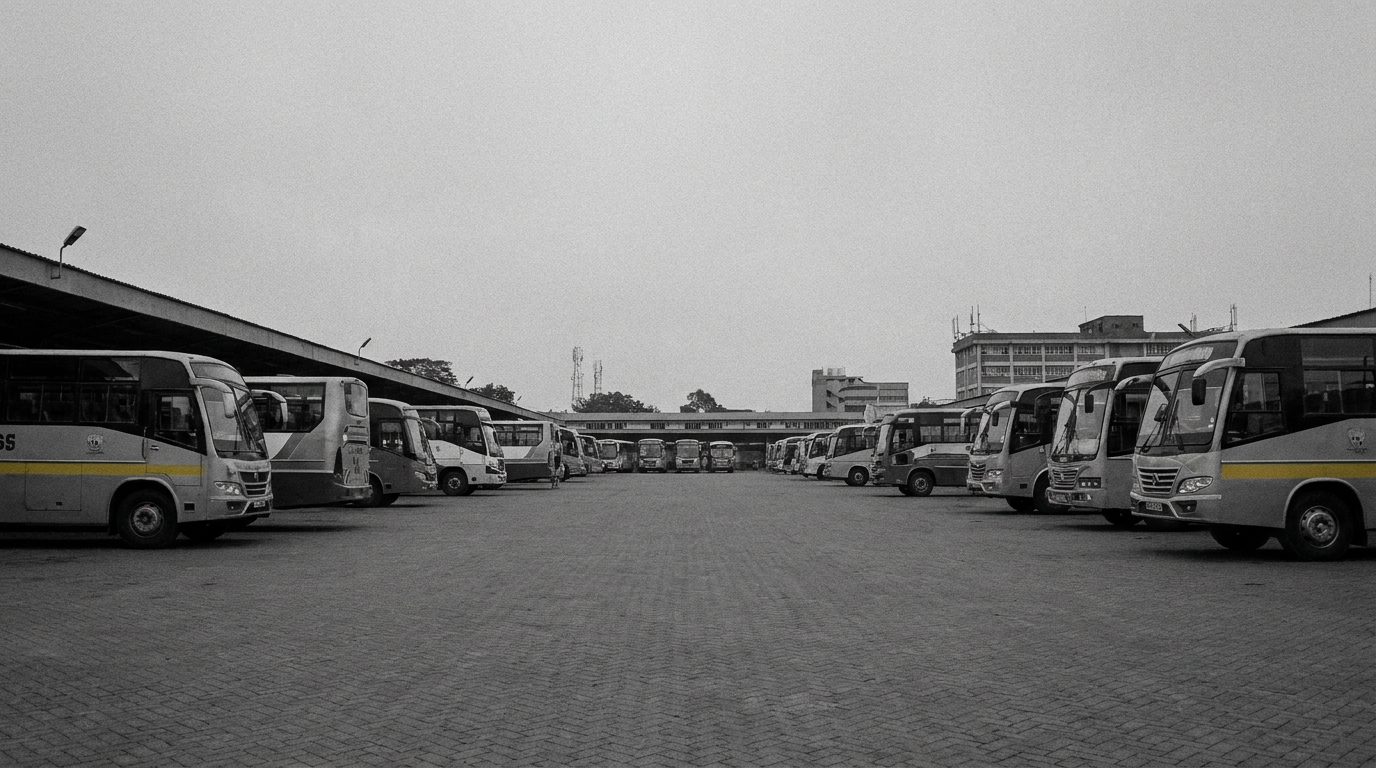
Nairobi Streets Disruptions Grip Kenya Amid Strike
Public transport ground to a halt in Kenya's major urban centers on Monday as operators launched a nationwide strike. The protest action was triggered by a dramatic 50% increase in diesel prices, exacerbating financial pressures on the sector. Protesters used bonfires and debris to block key routes into the capital, Nairobi, forcing many commuters to seek alternative means of travel or walk.
The disruption significantly impacted daily life for residents relying on public transit, a cornerstone of urban mobility in Kenya. Private vehicles attempting to reach the city center were also turned away by demonstrations. The mass transport system predominantly consists of privately operated diesel-powered buses and minibuses, making it highly susceptible to fuel cost fluctuations.
Government Attempts Subsidies Amidst Rising Costs
In response to the escalating costs, the Kenyan government has implemented measures aimed at cushioning consumers. Taxes on fuel have been reduced by half, and a substantial 11.2 billion shillings, equivalent to $86.6 million, has been drawn from the country's fuel stabilization fund. These efforts are intended to subsidize pump prices and alleviate some of the financial burden on both operators and the public.
Despite these interventions, the price of gasoline has also seen a considerable 20% increase. Kenya typically revises its fuel prices on a monthly basis, a process that has become a source of ongoing concern for citizens. The current price adjustments follow global market shifts, including the conflict in Iran, which has contributed to the upward trend in oil prices.
Economic Strain and Future Outlook for Transport
The current wave of protests highlights the deep economic strain affecting Kenya's transportation sector. Operators argue that the current operational costs are unsustainable, pushing many businesses to the brink. The reliance on diesel for the majority of public transport means that any volatility in global oil markets directly translates into local price hikes.
The effectiveness of the government's subsidy program remains a key point of discussion, as the underlying global price pressures persist. Further adjustments to fuel prices are anticipated monthly, with stakeholders closely monitoring international developments and their impact on domestic costs. The situation underscores the vulnerability of Kenya’s economy to external energy shocks and the challenges in maintaining affordable public transport.