Hezbollah Missile Capabilities Re-Emerge in Region
Hezbollah demonstrated enhanced precision missile capabilities on March 12, 2026, targeting central Israel and escalating regional tensions.
Lauren Collins ·
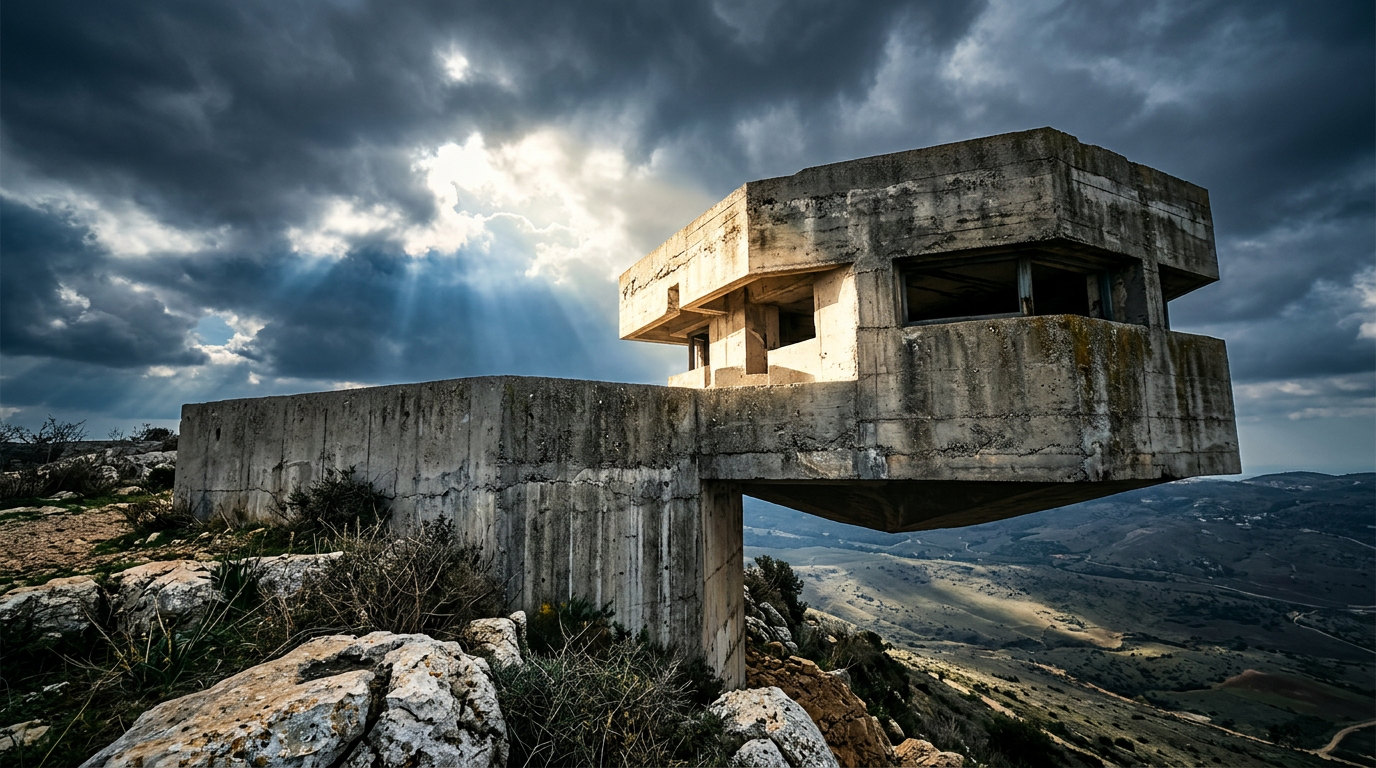
Hezbollah recently demonstrated enhanced precision missile capabilities, launching Fateh-110 missiles towards central Israel on March 12, 2026. This action targeted strategic Israeli infrastructure, signaling a significant development in the group's long-range strike capacity. The incident underscores ongoing regional instability and heightened tensions between various actors.
Escalation of Regional Tensions
The missile barrage occurred amidst a broader context of conflict between Israel and Iran, alongside other coordinated rocket attacks across Israeli territory. This event highlights the persistent security challenges in the Middle East, particularly concerning non-state actors acquiring advanced weaponry. The precise targeting suggests a sophisticated operational capacity.
Hezbollah's Strategic Development
For years, Israel has expressed concerns regarding Hezbollah's precision missile program. The recent strike indicates that the group has successfully advanced this project, potentially overcoming previous setbacks or intelligence assessments. This development could alter the strategic calculus in any future confrontations, increasing the threat to Israeli urban centers and critical infrastructure.
Impact on Regional Security
The re-emergence of Hezbollah's advanced missile capabilities introduces a new dynamic to regional security. It suggests a potential shift in the balance of power, as the group's ability to strike deep within Israel with precision could provoke a more substantial response. International observers are closely monitoring these developments for their implications on de-escalation efforts.
Historical Context of Missile Programs
Hezbollah's pursuit of precision-guided munitions (PGMs) has been a long-term strategic objective, reportedly supported by Iran. These efforts aim to enhance the group's deterrence capabilities against Israel. Previous conflicts have seen Hezbollah utilize a range of rockets, but the deployment of Fateh-110 missiles represents a qualitative leap in their arsenal.
International Reactions and Outlook
Governments worldwide are likely to view this escalation with concern, particularly given the already volatile geopolitical landscape. The incident could prompt increased diplomatic efforts to contain the conflict, while also potentially leading to further military preparedness measures by regional states. The trajectory of these capabilities will be a critical factor in future regional stability.
Implications
Country Impact: Israel faces an elevated threat from precision-guided munitions, potentially requiring adjustments to its air defense strategies and retaliatory doctrines. Lebanon, where Hezbollah is a dominant political and military force, could face increased instability and risk of broader conflict.
Industry Impact: Defense industries in the region may see increased demand for advanced missile defense systems and related technologies. Energy infrastructure in conflict zones could become more vulnerable, impacting global supply chains and insurance markets.
Market Impact: Global financial markets may react to increased geopolitical risk in the Middle East, potentially leading to volatility in oil prices and safe-haven asset flows. Investor confidence in regional economies could be negatively affected by prolonged instability.