Western Europe Shatters All-Time Heat Records Throughout June and July
Western Europe set record June-July heat in 2026, C3S said, with drought, wildfires, evacuations, and reduced nuclear output.
Atlas Newsdesk ·
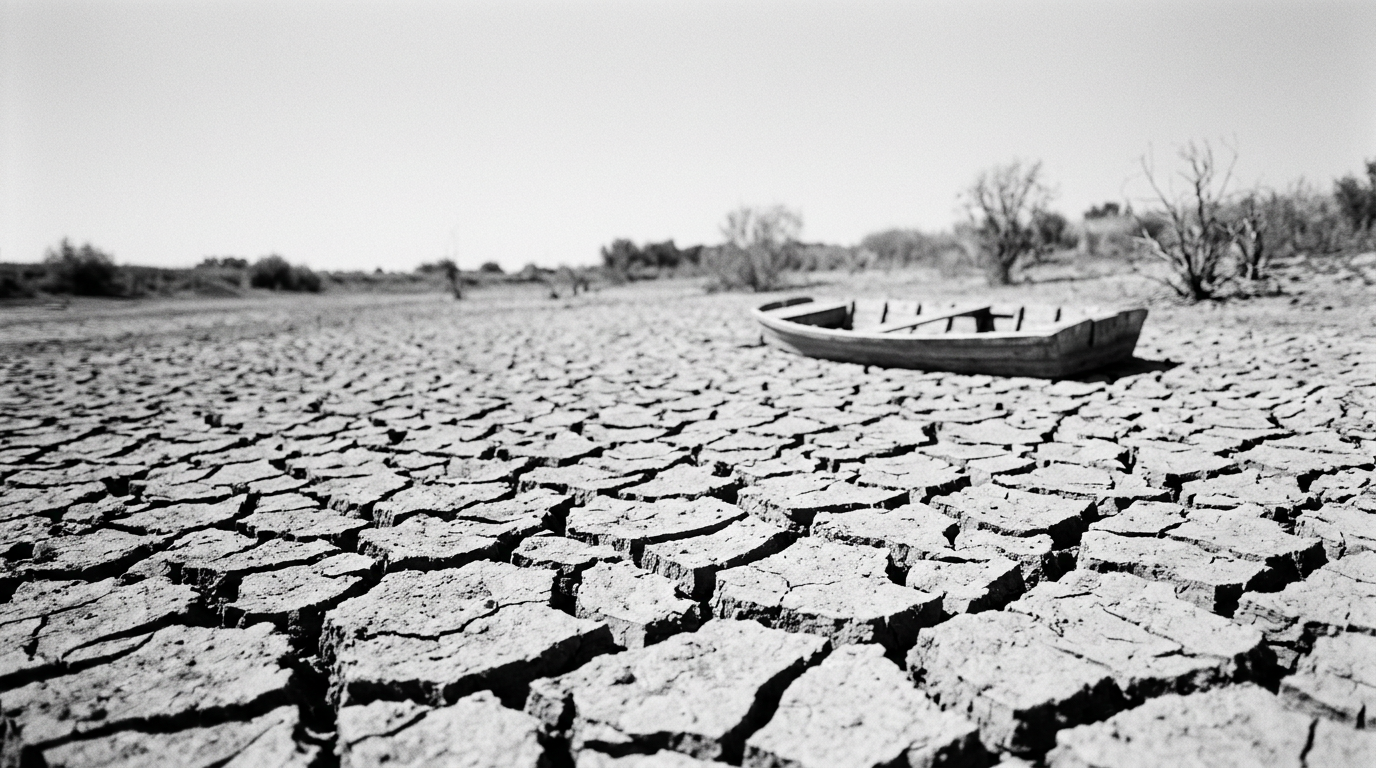
Western Europe posted its highest average temperatures for June and July in 2026, according to data released Monday by the European Union’s Copernicus Climate Change Service (C3S). The figures add to a sequence of recent warm-season records across the region and were accompanied by drought, wildfire, and operational disruptions in parts of Europe.
C3S said Western Europe reached an average temperature of 21.62 degrees Celsius. The service reported this was 2.79C above historical averages and higher than the prior record set in 2022.
Copernicus links heat to persistent high pressure
Officials at C3S attributed the sustained heat to Officials at C3S attributed the sustained heat to long-lasting high-pressure systems that effectively held heat over large parts of the continent. The same atmospheric pattern, they said, allowed thermal energy to accumulate rather than disperse.
The agency also described a reinforcing mechanism in which depleted soil moisture reduced natural cooling. With less moisture available for evaporation, surface temperatures rose further, intensifying the heat already in place.
Drought pressures infrastructure and power generation As drought conditions deepened, the impacts extended beyond weather statistics to essential infrastructure. The source material said nuclear power plants in Hungary and Slovenia were forced to operate at reduced capacity, linking the constraints to low water levels.
Western Europe
The rivers named in the report were the Rhine, Seine, and Danube, which are important waterways for cooling water access and broader industrial activity. C3S presented the reductions as a consequence of the unusually low levels associated with the heat and drought conditions.
Wildfires in France and Spain drive evacuations
The same conditions were associated with severe wildfire activity in parts of Western Europe. The report cited major incidents in France and Spain that together destroyed more than 86,000 hectares of land.
In France, the source material said evacuations exceeded 220,000 people in the Gironde department alone. The figures underscore the scale of disruption that can follow sustained heat, especially when dry ground and vegetation increase exposure to fast-moving fires.
Sea surface temperatures also reach a July record
Beyond land temperatures, C3S reported that sea surface temperatures outside polar regions reached a record average of 20.96C in July. The new figure exceeded the previous benchmark set in 2023, according to the same data release.
C3S said the combined land and ocean readings point to a longer-term pattern in which heat and drought can reinforce each other over the European landmass. Officials did not specify how long current conditions may persist, and the report did not provide projections beyond describing the trend indicated by the latest measurements.