Typhoon Dolphin Forces Mass Evacuation Across China
Typhoon Dolphin hit eastern China, prompting 1+ million evacuations, 1,400 flight cancellations in Shanghai, and flood warnings through Wednesday.
Atlas Newsdesk ·
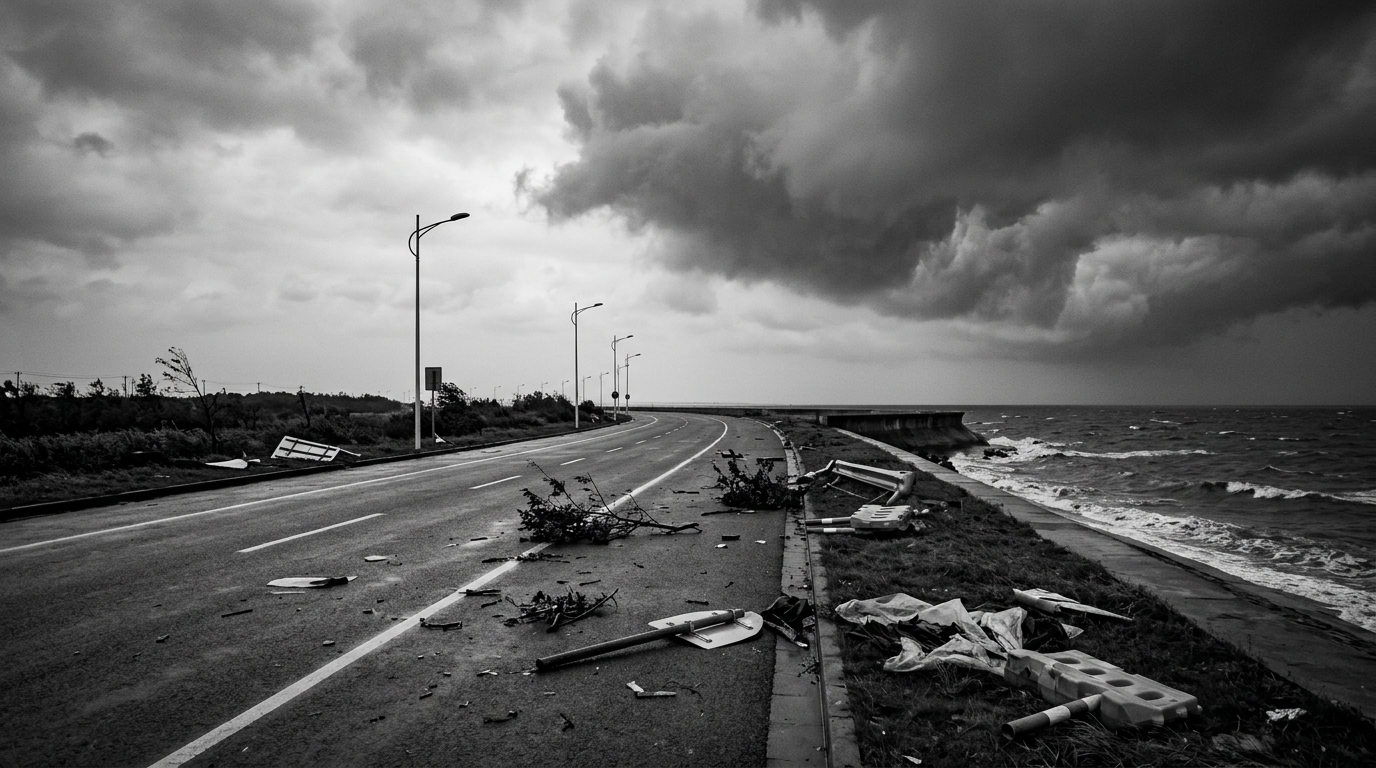
Chinese authorities evacuated more than one million residents across Zhejiang and Shanghai after Typhoon Dolphin made landfall, officials said. The storm reached maximum wind speeds of 150 km/h, triggering broad disruptions as agencies warned of continued heavy rainfall and secondary hazards.
Officials said transportation systems were hit immediately, with 1,400 flights cancelled in Shanghai. Maritime operations in Fujian were also suspended as conditions worsened along the coast and officials moved to reduce exposure to storm surge and dangerous seas.
Warnings extended across seven provinces Meteorological agencies issued alerts for torrential rain Meteorological agencies issued alerts for torrential rain, severe flooding, and possible landslides through Wednesday across seven provinces. Authorities said they were tracking the typhoon’s inland progression as it pushed into densely populated eastern areas, where saturated ground and overflowing waterways can intensify risks beyond wind damage. Local governments said they closed major tourist attractions and public facilities to limit crowding in exposed locations. Emergency shelters were activated to receive residents moved out of low-lying neighborhoods and other areas considered vulnerable during peak rainfall. Public order steps and misinformation detentions Regional authorities detained two individuals accused of spreading AI-generated misinformation about the storm’s impact, citing concerns over public order. Officials did not provide additional detail in the announcement, but framed the action as part of efforts to keep information flows orderly during emergency response operations.
Authorities said the operational focus remained on evacuation support, shelter management, and monitoring of key infrastructure as the typhoon advanced inland. Officials continued to assess how long disruptions to travel and maritime activity would persist while warnings remained in place.
Broader context: a long-lived storm after regional damage Officials described Typhoon Dolphin as having an unusually long lifespan and a high capacity for rainfall. The system follows significant weather-related damage in the Philippines and Japan, adding to regional pressure on emergency response resources as communities across East Asia face repeated high-impact events.
In eastern China, authorities said the immediate threat was not limited to coastal wind exposure but also included prolonged rainfall, flooding, and landslide potential as the storm moves inland. Officials said they would continue monitoring conditions and impacts on infrastructure and public safety across affected areas through the warning period.