Maryland Detention Center Construction Halted by Judge
A federal judge in Maryland halted construction of an immigration detention center, citing likely federal non-compliance with environmental laws.
Lauren Collins ·
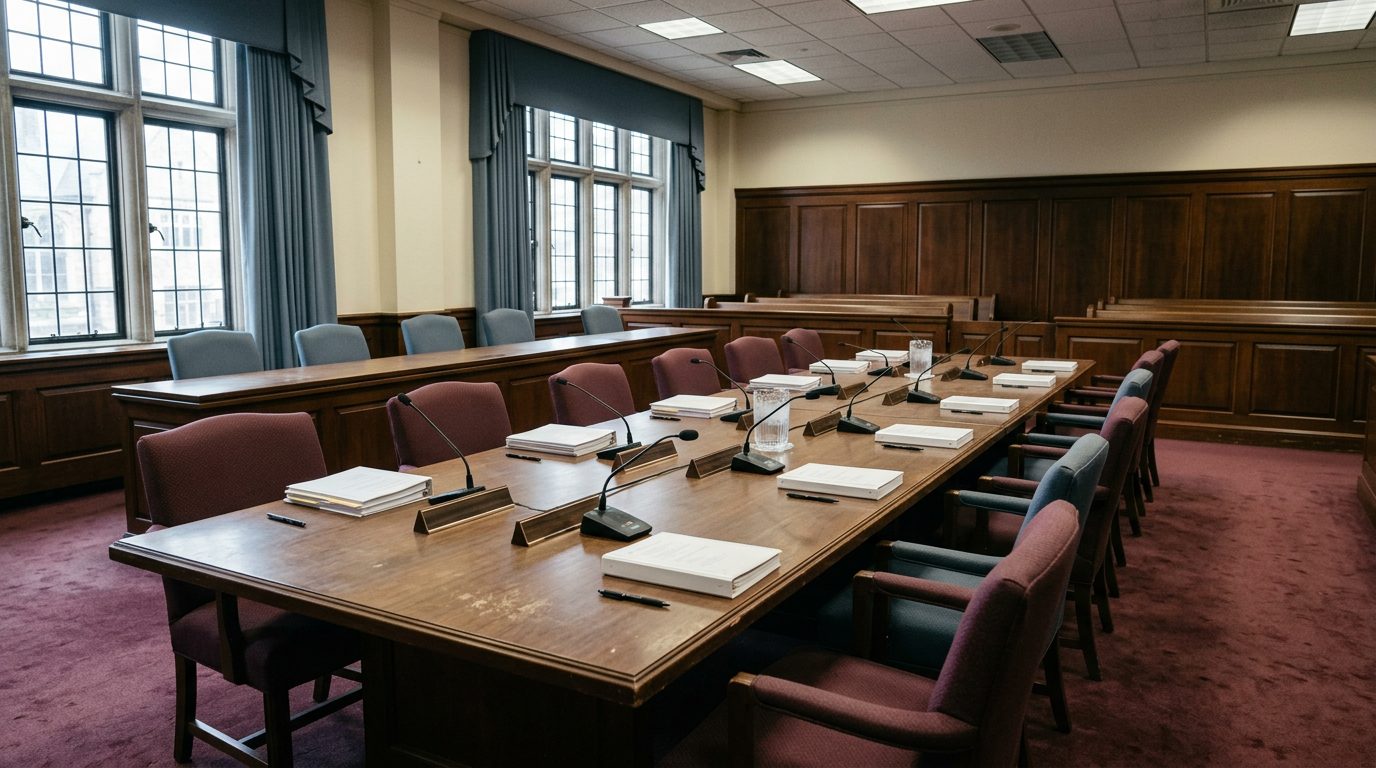
A federal judge in Maryland has issued a temporary restraining order, pausing the construction of a new immigration detention center. The ruling, delivered on Wednesday, follows a lawsuit filed by the state of Maryland, which cited environmental compliance failures.
U.S. District Judge Brendan Hurson granted Maryland's request, halting work for up to 14 days. This period allows the court to conduct a more extensive review of the legal challenge. The judge's decision indicated that the federal government likely did not adhere to its responsibilities under the National Environmental Policy Act (NEPA).
Legal Challenge Initiated by Maryland
Maryland Attorney General Anthony Brown initiated the legal action in February. The lawsuit contended that the federal administration had not performed an adequate environmental assessment or solicited public feedback regarding the proposed facility.
Project Scope and Federal Funding
The federal government had committed over $100 million to transform a 54-acre warehouse site in Washington County, Maryland. The planned facility was designed to house approximately 1,500 individuals, significantly expanding immigration detention capacity in the region.
Federal Government's Stance
The U.S. Department of Homeland Security (DHS) had previously expressed its intent to cooperate with state authorities to enhance detention capabilities. DHS also contested Maryland's assertions regarding environmental non-compliance, maintaining that proper procedures were followed.
Broader Immigration Enforcement Context
This judicial intervention temporarily obstructs the development of a facility intended to augment immigration detention capacity. Such expansion is a key element of the current administration's wider immigration enforcement framework, aiming to manage the increasing number of migrants at the U.S. border.
Implications for Federal Projects
The court's decision highlights the critical importance of environmental regulatory adherence in federal infrastructure projects. This ruling could establish a precedent, influencing future developments, particularly those related to immigration infrastructure across the United States. It underscores the judiciary's role in ensuring executive agencies comply with established environmental protection laws, even when pursuing national policy objectives.
National Environmental Policy Act (NEPA)
NEPA, enacted in 1970, requires federal agencies to assess the environmental effects of their proposed actions prior to making decisions. This includes preparing environmental impact statements for major federal actions significantly affecting the quality of the human environment. The act aims to ensure that environmental factors are considered alongside economic and technical considerations in federal planning and decision-making processes.
Non-compliance can lead to legal challenges and project delays, as demonstrated in this Maryland case.
Implications
Country Impact: The ruling sets a precedent for federal projects nationwide, emphasizing environmental compliance under NEPA. It could lead to increased scrutiny and potential delays for other federal infrastructure initiatives, particularly those related to immigration.
Industry Impact: Construction firms involved in federal projects may face heightened requirements for environmental impact assessments and public consultation. This could increase project timelines and costs, particularly for large-scale government contracts.
Market Impact: The temporary halt could signal increased regulatory risk for government-backed infrastructure projects, potentially affecting investor confidence in related sectors. It also highlights the ongoing legal challenges and political complexities surrounding immigration policy and its implementation.