

Joseph Kabila Emerges as Leader of New Congolese Rebel Coalition
Former President Joseph Kabila has taken leadership of a new rebel coalition seeking to forcibly remove Congo’s government.
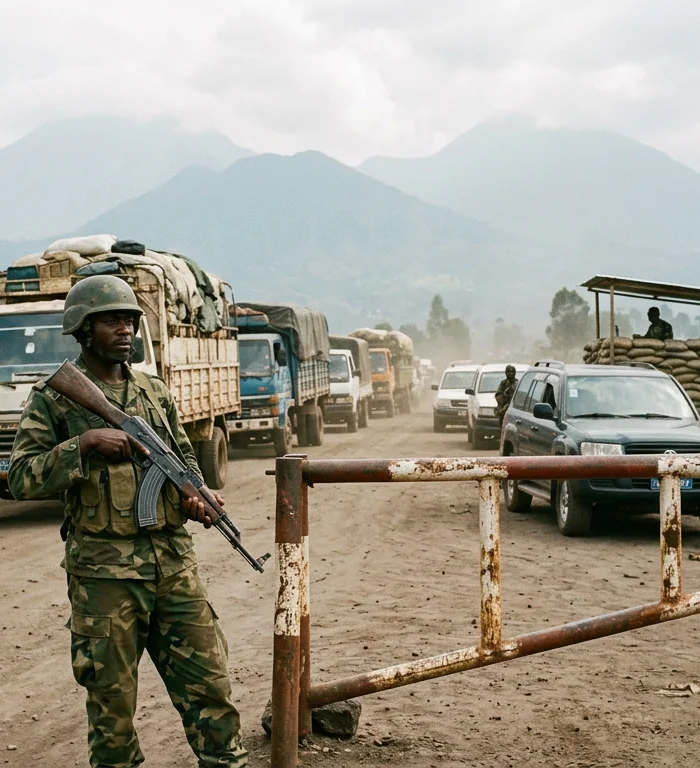
The security situation in the Democratic Republic of Congo faces a major escalation following the establishment of an armed rebel alliance named the Front for the Refoundation of the Nation. Former President Joseph Kabila has been appointed as the official leader of this newly structured coalition. The group has publicly declared its intention to employ violence to unseat the current governing administration led by President Félix Tshisekedi.
This development marks a dramatic shift in the central African country's political dynamics, as a former head of state moves away from conventional political opposition into direct militant action. The formation of this hostile coalition poses a direct challenge to the authority of the sitting president and threatens security structure.
Integration of Active Insurgent Groups
Central to the new coalition is the inclusion of senior figures from the M23 movement, an active armed faction that presently maintains control over significant expanses of land in the eastern provinces. This geographic zone is widely noted for its rich mineral deposits, making control over the territory strategically vital.
The formal union between Kabila and M23 leadership connects a former national president with established insurgent forces operating in the east. M23 continues to draw intense international scrutiny over claims that external foreign powers are providing support to its combat operations, a factor that complicates the broader diplomatic and security environment.
Constitutional Disputes and Treason Charges
The emergence of the armed coalition coincides with mounting political friction regarding potential amendments to constitution. These controversial proposals have raised concerns about the potential extension of presidential term limits for the current administration.
Prior to Kabila's appointment as rebel leader, government authorities had formally accused the former president of treason. His transition into the leadership of an active armed alliance significantly heightens the risk of expanding conflict and introduces severe instability into the nation's fragile security framework.
By combining political authority with active field forces, the Front for the Refoundation of the Nation creates a multi-front threat against state institutions. The explicitly stated goal of removing the sitting government by force indicates that peaceful diplomatic avenues have been cast aside by the coalition's leadership.
As tensions surrounding executive term limits continue to generate domestic unrest, the involvement of established insurgent commanders under Kabila's direction risks transforming localized eastern clashes into a broader national crisis. Observers and state authorities remain focused on how the official security architecture will respond to this newly organized armed challenge.
More stories
- Israel unveils Sky Sonic hypersonic missile interceptor
- Ethiopian troops reach Zalambessa border town, sources say
- German Air Force Intercepts Commercial Flight Following False Hijack Alert
- Turkish religious rebuke puts Erdoğan’s coalition back on Washington’s radar
- Pakistan tests Fatah-2 missile after Fatah-4 launch
- MI5 Says Iran Targets UK Military Sites
- Merz condemns Schroeder over Putin birthday celebration
- Ethiopian Forces Reclaim Mekelle Amid Escalating Regional Conflict
Latest news
- Rajinikanth's 'Jailer 2' Nears ₹41 Crore in Advance Bookings
- Carrick Attributes Martinez's Man Utd Criticism to Post-Match Emotion
- Sebi gives IPO issuers six more months of flexibility
- Disney+ Premieres 'VisionQuest' Series, Continues MCU Narrative
- Martinez Criticizes Manchester United Recruitment Strategy
- Nasdaq falls 0.15% as chipmakers extend losses
- Beach Boys' Mike Love's Health Concerns Emerge After Nashville Show
- Shifting Political Winds Threaten the Future of the USMCA Trade Pact