Dolphins Trade Quinn Ewers to Jaguars for 2028 Pick
The Miami Dolphins have traded quarterback Quinn Ewers to the Jacksonville Jaguars for a 2028 sixth-round draft pick following an evaluation period.
Atlas Newsdesk ·
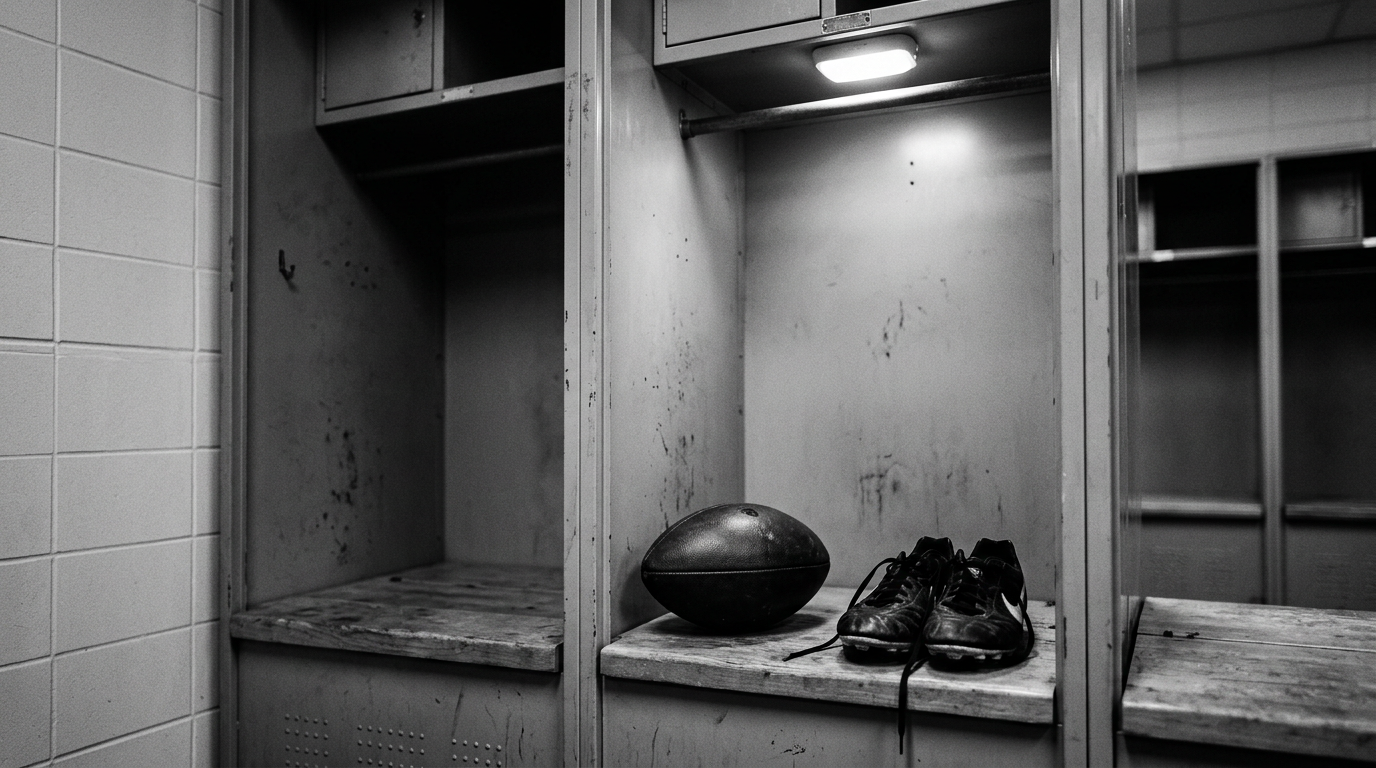
The Miami Dolphins have completed a transaction, sending quarterback Quinn Ewers to the Jacksonville Jaguars. In exchange, the Dolphins will receive a sixth-round selection in the 2028 NFL Draft. This agreement was finalized on Tuesday, concluding Ewers' short period with the South Florida organization after he was drafted in 2025.
General Manager Jon-Eric Sullivan explained that the move followed an extensive assessment during training camp and recent preseason contests. Sullivan indicated that Ewers' performance did not meet the team's expected benchmarks, leading to the strategic decision. The quarterback initially joined Miami as a seventh-round pick in the 2025 NFL Draft.
Quarterback's Professional Path and Contract
Upon his entry into the professional league, Ewers secured a four-year contract valued at $4.3 million. This commitment to the NFL came after he reportedly declined a Name, Image, and Likeness (NIL) opportunity in college, which was estimated to be worth approximately $8 million. His departure from the Dolphins signals a repositioning of the quarterback roster for the team, addressing what officials termed as inconsistent output during the recent preseason schedule.
The Dolphins' front office appears to be strategically reassessing its personnel requirements, opting to gain future draft capital. This acquired capital can be used to bolster other areas of the roster as they prepare for the upcoming football season. The trade took immediate effect, prompting both teams to adjust their player structures accordingly.
Implications for Both Teams
For Quinn Ewers, this transfer offers a fresh start with the Jacksonville Jaguars. He is expected to join the Jaguars' roster as a reserve player, providing support to starting quarterback Trevor Lawrence. This transition provides Ewers an immediate opportunity to integrate into a new system and potentially rejuvenate his professional career in an unfamiliar setting. Historically, late-round draft picks, particularly sixth-round selections, are frequently used to enhance team depth, contribute to special teams, or develop players identified with high potential.
While not considered a high-value asset, a future draft pick offers the Miami organization increased flexibility. These kinds of transactions are common in Football League, as teams continuously modify their rosters, seek improved player fits, and manage salary cap considerations while constructing teams for both immediate success and long-term development. The broader implications for the league's quarterback market will also be observed, as franchises evaluate the comparative value of developing emerging talent versus acquiring established veteran players.
Strategic Roster Adjustments in the NFL
The Dolphins' decision to trade Ewers highlights the highly competitive nature of NFL roster positions, especially for quarterbacks. Teams routinely execute such maneuvers to refine their lineups, oversee player contracts, and ensure alignment with coaching philosophies and anticipated performance levels. The Jaguars, in return, acquire a young quarterback prospect who will compete for a roster spot and potentially increase competition within their depth chart. This action aligns with a common strategy where teams continually evaluate and rotate developmental talent in search of unexpected discoveries or dependable backup players.