College Football Saturday Features Top-Ranked Matchups
A high-stakes college football Saturday features top-ranked matchups across, FOX, and streaming platforms, driving shifts in viewership towards digital…
Ayla Demirhan ·
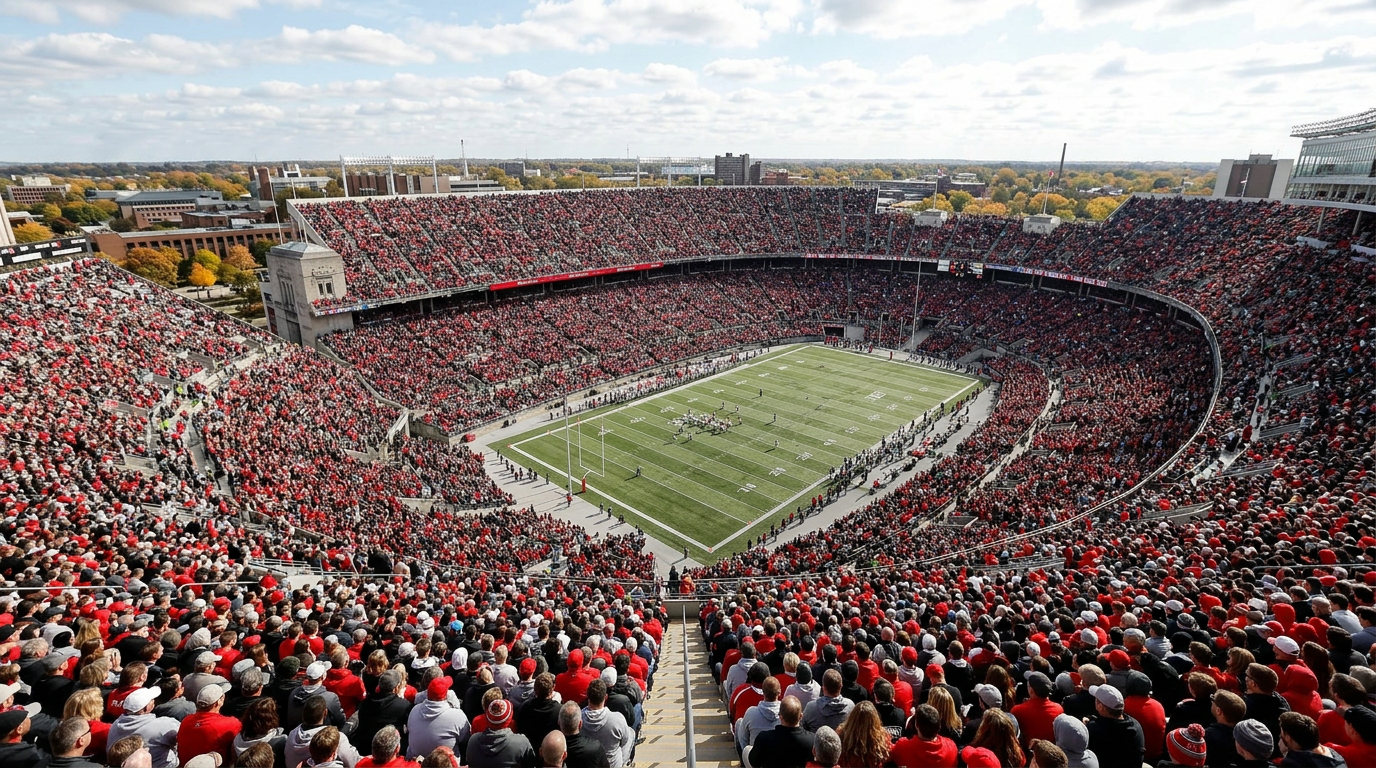
A high-stakes Saturday in college football features top-ranked teams across multiple networks and streaming platforms, with playoff implications already in play. The schedule, spanning from noon ET until past midnight, includes matchups between No. 1 Texas and No. 14 Tennessee on, and No. 7 Ohio State hosting Illinois on FOX.
Early Games Highlight Playoff Stakes
The day's action begins at noon ET with two significant contests. Top-ranked Texas travels to face No. 14 Tennessee on, a game that could immediately impact playoff positioning. Simultaneously, No. 7 Ohio State hosts Illinois on FOX, offering Big Ten viewers a choice between two ranked teams. Later, Notre Dame plays Purdue on Peacock at 2 p.m. ET, requiring a separate streaming subscription.
Broadcast Diversity Across Platforms
The afternoon and evening slate includes games from the SEC, Big Ten, and ACC, broadcast across various cable and streaming services. carries its traditional SEC window at 3:30 p.m. ET, while and TNT also feature contests during this time. Evening games are scheduled for and, ensuring coverage extends late into the night. Every major conference appears at least once, minimizing local blackouts on national feeds.
Streaming Services Drive Viewership Shifts
The evolving media landscape means fans navigate multiple streaming services to watch games. Unlimited bundles, SEC Network, and ACC Network content. Fox One provides access to FOX, FS1, FS2, and the Big Ten Network. Peacock is essential for Notre Dame games and select Big Ten exclusives. Other services like Paramount+, fubo, YouTube TV, and DIRECTV Stream offer comprehensive live-channel packages, while Sling TV provides sports-focused tiers and day passes.
Audience Behavior and Technology Adoption
Viewership data indicates a significant shift towards streaming, with 42% of college football households now using at least one live-stream service. Unlimited and Fox One bundles have seen the fastest growth among viewers under 35. Traditional cable providers continue to report subscriber losses, attributed in part to rising sports programming fees. Smart TV and phone apps now offer multiview options and push notifications for critical game moments, enhancing the viewing experience.
Strategic Implications for Teams and Networks
The early season's concentration of ranked-versus-ranked games creates immediate separation in polls and sets the tone for conference play. Analysts note the unusual number of such matchups this early in the season. For instance, a Tennessee upset of Texas could mark the SEC East's first loss by a ranked team, while Ohio State seeks a convincing win against Illinois to address early concerns about its offensive line. These outcomes will influence the first playoff rankings, scheduled for release next week.
Future of Broadcast and Fan Engagement
Upcoming price increases for streaming services could prompt viewers to consider split subscriptions over full bundles, maintaining a focus on value in sports media discussions. Networks are also investing in advanced production technologies, including drone cameras and sky cams for top games, and alternate broadcasts with former players. Real-time expected-points data overlays are becoming standard, aiming to boost second-screen engagement without cluttering the main broadcast. Stadium Wi-Fi upgrades at Power Four venues support smoother 4K streams and live tailgate podcasts, though network congestion remains a challenge for visiting fans.
Market Dynamics and Consumer Choices
The competitive landscape among broadcasters and streamers reflects broader shifts in consumer habits. As more content moves online, providers are forced to innovate with bundling options and technological enhancements to retain subscribers. The pressure to deliver high-quality, accessible content is intensified by the financial stakes of college football, where broadcast rights are a significant revenue driver for conferences and schools. Fans, in turn, face decisions about which services to subscribe to, balancing cost, content access, and viewing features.
Outlook for the Season and Beyond
The expanded playoff format adds pressure, as coaches and players acknowledge that a single poor performance can end a team's championship aspirations. This heightened intensity is reflected in early season statistics and betting markets. The ongoing evolution of broadcast technology and streaming models suggests that future college football seasons will continue to see innovations aimed at enhancing fan engagement and accessibility, while also navigating the economic realities of content distribution and consumer preferences.