Jay-Z Breaks Silence on Lawsuit, Hip-Hop Rivalries
Jay-Z discussed a late-2024 lawsuit dismissed in Feb 2025 and weighed in on hip-hop rivalries, social media spillover, and politics.
Ayla Demirhan ·
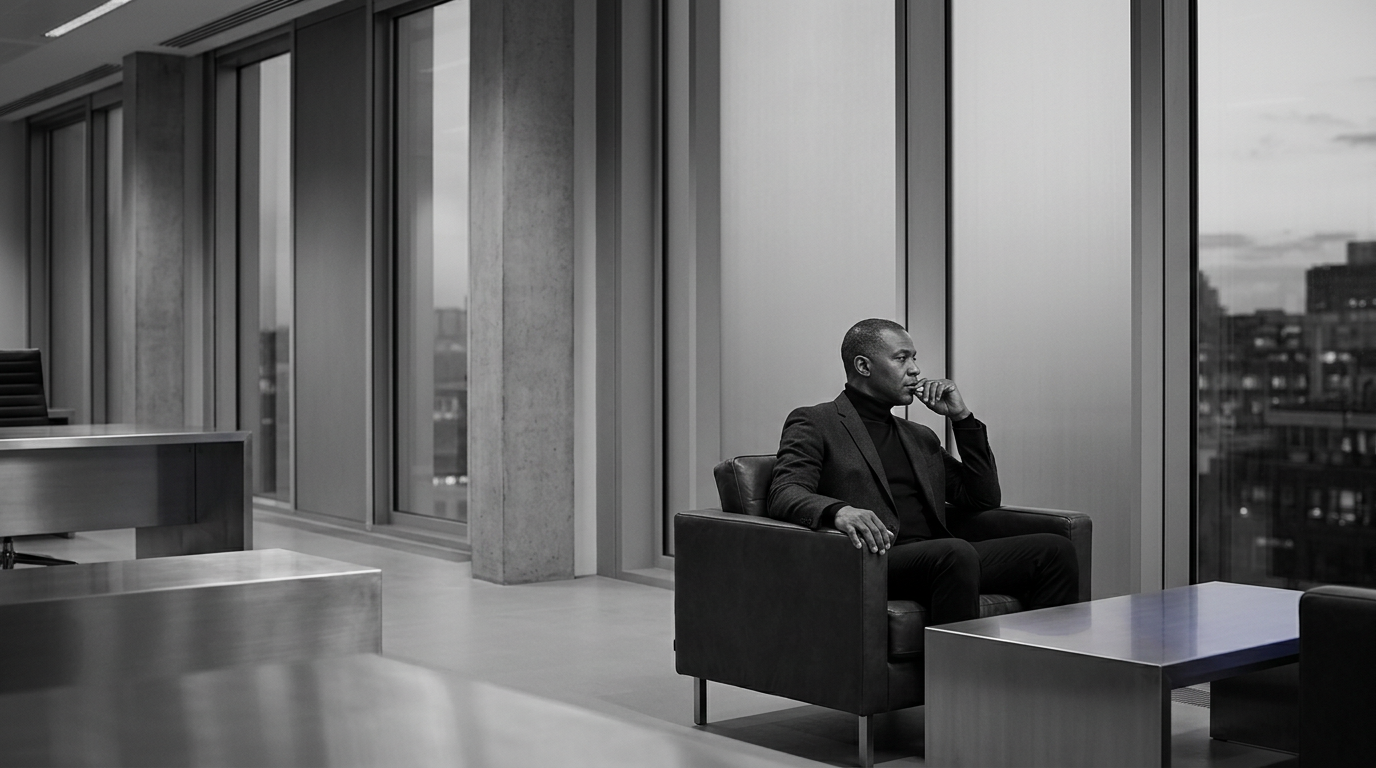
Jay-Z has publicly commented on a sexual assault lawsuit that named him and Sean “Diddy” Combs, after the case was voluntarily withdrawn in February 2025.
In a cover interview with GQ , the rapper and business executive said he chose to contest the allegations rather than pursue a settlement, describing the episode as difficult and emotionally intense for him and his family.
What changed and what is confirmed
The civil suit was filed in late 2024 and accused Jay-Z and Combs of raping a 13-year-old girl in 2000.
Both men denied the accusation, and the plaintiff later dismissed the case voluntarily in February 2025.
Jay-Z’s stated approach to the case
Jay-Z said he decided to fight the claims instead of settling, even though he acknowledged that paying to resolve a case can be faster and less expensive.
He framed the decision as a matter of personal principle and said the allegations affected his household, adding that he received support from relatives and business partners during the legal process.
Attorney response and limits of what is known
His lawyer, Alex Spiro, described the allegations as “provably, demonstrably false,” arguing that the timeline could not work as presented.
The interview did not provide additional evidentiary detail beyond that characterization, and the dismissal itself does not, on its own, establish why the plaintiff chose to withdraw the case.
Comments on hip-hop competition and social media
Separately, Jay-Z addressed the high-profile rivalry between Kendrick Lamar and Drake, saying the competition can be energizing for audiences.
He also said he worries about collateral damage when disputes pull in relatives and escalate online, and suggested that joint work could deliver creative “sparring” without the same divisive effects.
Politics, culture, and broader relevance
Jay-Z additionally said he sees a “heavy right wing agenda” that he believes is intended to quiet voices in hip-hop.
For markets and the entertainment business, the episode underscores how legal disputes and public narratives can intersect with brand partnerships and commercial relationships, even when claims are denied and later withdrawn.