Japan Declines Hormuz Escort Mission Amid US Pressure
Japan's Prime Minister Sanae Takaichi confirmed no plans for naval deployment in the Strait of Hormuz, citing constitutional limits.
Lauren Collins ·
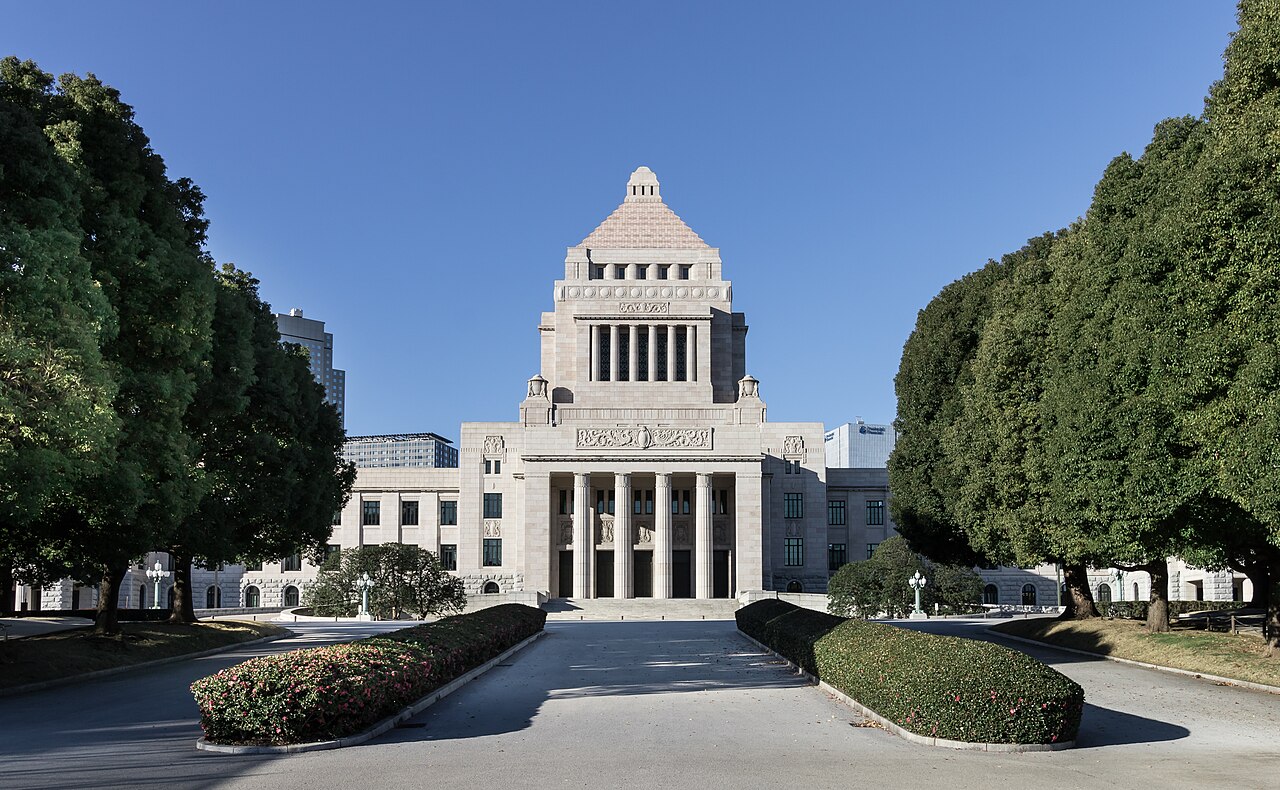
Japanese Prime Minister Sanae Takaichi confirmed on Monday, March 16, 2026, that Japan currently has no intentions of deploying naval assets to escort commercial vessels through the Strait of Hormuz. S. President Donald Trump for allied nations to contribute to the security of the critical maritime passage.
Takaichi informed the Japanese parliament that no decisions have been finalized regarding such a deployment, underscoring the government's ongoing evaluation of independent measures within its existing legal framework.
Constitutional Constraints on Military Deployment
Japan's post-war constitution, which explicitly renounces war, places significant restrictions on the overseas deployment of its military forces. This constitutional limitation presents a considerable hurdle for any potential participation in a multinational escort mission, despite Japan's substantial dependence on energy imports from the Middle East.
The nation's Maritime Self-Defense Force has previously engaged in anti-piracy operations in the region, but these were classified as policing actions rather than combat missions against state actors.
Strategic Energy Reliance and Regional Stability
The Strait of Hormuz is a vital chokepoint for global oil shipments, with a significant portion of Japan's energy supply transiting through it. Japan's reliance on Middle Eastern oil makes the stability of this waterway a paramount national interest. However, deploying military forces to address what could be perceived as an existential threat would necessitate overcoming high legal and political thresholds within the current Japanese government structure.
Upcoming Diplomatic Engagements
Prime Minister Takaichi is scheduled to travel to Washington later this week for discussions with President Trump. The ongoing tensions with Iran and the broader security situation in the Middle East are anticipated to be central topics during these meetings. Takaichi indicated that her discussions would emphasize Japan's perspective on the urgent need for de-escalation in the region, signaling a diplomatic approach rather than a military one.
Historical Context of Japan's Defense Posture
Japan's defense policy has historically been shaped by its pacifist constitution, adopted after World War II. While there have been debates and some reinterpretation of Article 9, particularly regarding collective self-defense, direct military involvement in international conflicts remains highly sensitive. Any move to deploy forces to a potentially hostile environment like the Strait of Hormuz would likely face significant domestic opposition and require extensive legal justification.
This cautious approach reflects a long-standing national commitment to non-aggression and a preference for diplomatic solutions in international disputes.
Implications for US-Japan Alliance
The decision not to join the escort mission could highlight differing strategic priorities within the U.S.-Japan alliance. While both nations share concerns about regional stability, their approaches to military engagement and constitutional limitations diverge. The upcoming talks between Takaichi and Trump will be crucial in managing these expectations and coordinating future diplomatic efforts regarding Middle Eastern security.
Implications
Country Impact: Japan's decision underscores its constitutional constraints on military deployments, potentially straining its alliance with the U.S. while maintaining its focus on diplomatic de-escalation in the Middle East. This stance reflects a long-term commitment to its pacifist post-war constitution.
Industry Impact: The lack of Japanese naval participation in a Strait of Hormuz escort mission could increase the perceived risk for commercial shipping, potentially impacting insurance premiums and transit costs for oil and gas tankers. This might lead to minor disruptions in global energy supply chains.
Market Impact: Global energy markets may react to the perceived lack of unified international protection in the Strait of Hormuz, potentially leading to minor fluctuations in oil prices. The decision could also influence investor sentiment regarding geopolitical stability in the Middle East, affecting related asset classes.