Japan avoids yen intervention answer before BOJ meeting
Japan declined to confirm yen intervention after a 3.3% rally, while officials signaled US support before a Bank of Japan rate decision.
Atlas Newsdesk ·
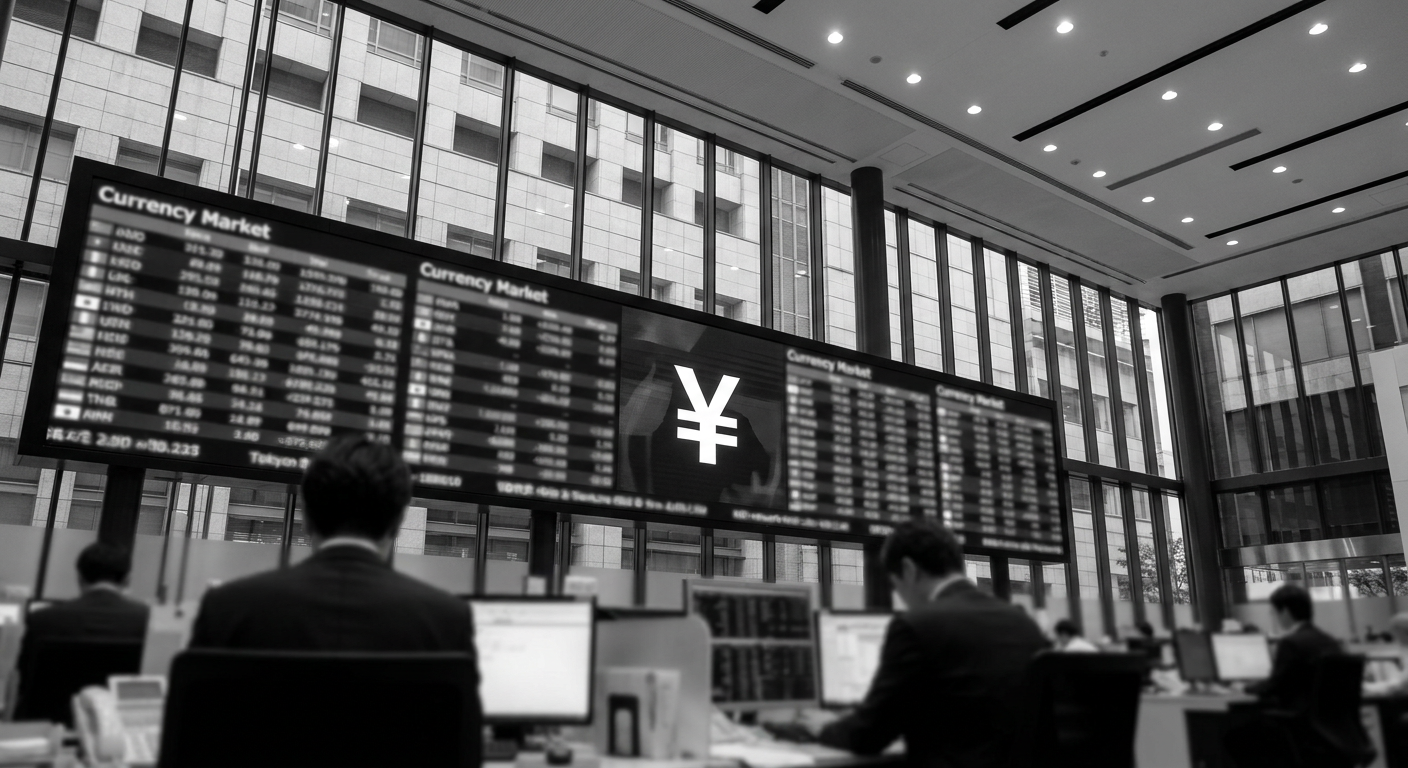
The yen jumped after suspected market action by Japan, putting intervention questions ahead of a closely watched Bank of Japan decision. Officials in Tokyo declined on Friday to say whether they had entered the foreign-exchange market, leaving traders to parse carefully worded comments after the currency’s sharp overnight gain.
Finance Minister Satsuki Katayama avoided confirming any operation and said authorities would "remain on high alert and respond as appropriate." Her comments kept Japan’s standard posture intact: warn against disorderly currency moves, act if necessary, and disclose intervention only through later official data.
Tokyo leaves traders guessing
The yen strengthened as much as yüzde 3,3 against the dollar during New York trading on Thursday, according to the source material. That marked its largest intraday rise since December 2023 and immediately raised questions about whether Tokyo had acted to slow the currency’s slide.
A market participant familiar with the matter said Japan had stepped in to support the yen. The same person said US authorities carried out a rate check at around 2:30 a.m. in Tokyo, a step traders often view as a possible signal around currency operations.
Japan has used direct foreign-exchange action in recent years when officials judged yen moves to be too fast or detached from economic fundamentals. Such operations are politically sensitive because they involve public funds, can affect global dollar liquidity, and may draw scrutiny if trading partners see them as an attempt to manage competitiveness.
US support enters the frame
Atsushi Mimura, Japan’s top currency official, gave the clearest signal that Tokyo was not acting in diplomatic isolation. He said, "I do recognize that we’ve received support from the US that goes beyond simply moral support," while declining to provide operational detail.
Mimura also said, "Through my own channels, we’re in constant contact with the US authorities." That matters because currency intervention is more credible when major economies are at least informed, and more powerful when overseas institutions avoid working at cross purposes.
The source material also cited reports of possible coordination with South Korea, including dollar sales by Seoul during New York hours. That claim was not confirmed by Japanese officials in the remarks provided, so it remains an attributed market report rather than an established fact.
BOJ meeting raises the stakes
The suspected intervention came hours before the Bank of Japan board was expected to keep its benchmark interest rate unchanged. That timing is important because currency pressure has often sharpened around policy decisions, especially when investors judge Japanese rates as too low relative to US rates.
For the BOJ, the exchange-rate backdrop complicates communication. A steady-rate decision could be read by markets as maintaining the yield gap that has weighed on the yen, while a more forceful inflation or currency message could tighten financial conditions without an immediate rate move.
The immediate impact falls on Japan’s importers, exporters, banks and households. A weaker yen can raise the cost of imported energy and food, while a sudden rebound can unsettle exporters and investors who had positioned for continued depreciation.
Three paths for the yen
If Japan did intervene and signals a willingness to repeat the move, the near-term effect could be to raise the cost of betting against the yen. Globally, that would inject caution into dollar trades; for Japanese authorities, it would buy time; for the wider currency market, it would make official reaction functions more important than rate differentials alone.
If the move was mostly a market squeeze rather than official action, the yen could remain vulnerable unless monetary-policy expectations shift. In that case, global macro pressure would stay tied to interest-rate gaps, Tokyo would face renewed questions about credibility, and exporters and import-heavy sectors would keep managing abrupt swings.
If overseas coordination becomes clearer, the story would move beyond Japan’s domestic policy setting. Global markets would treat currency stability as a shared concern, Japan’s finance ministry would gain more signaling power, and Asian central banks could face pressure to explain whether they are defending exchange-rate levels or limiting volatility.
The open question is not only whether Japan acted, but how much tolerance officials now have for further yen weakness. The next tests are the BOJ statement, any follow-up remarks from finance officials, and later intervention data from Japan’s Ministry of Finance.