Williams shifts funds to facilities under F1 cost cap
Williams is redirecting spending from car upgrades to modernise its Grove facilities under the F1 cost cap, accepting near-term performance trade-offs.
Mehmet Şahinoğlu ·
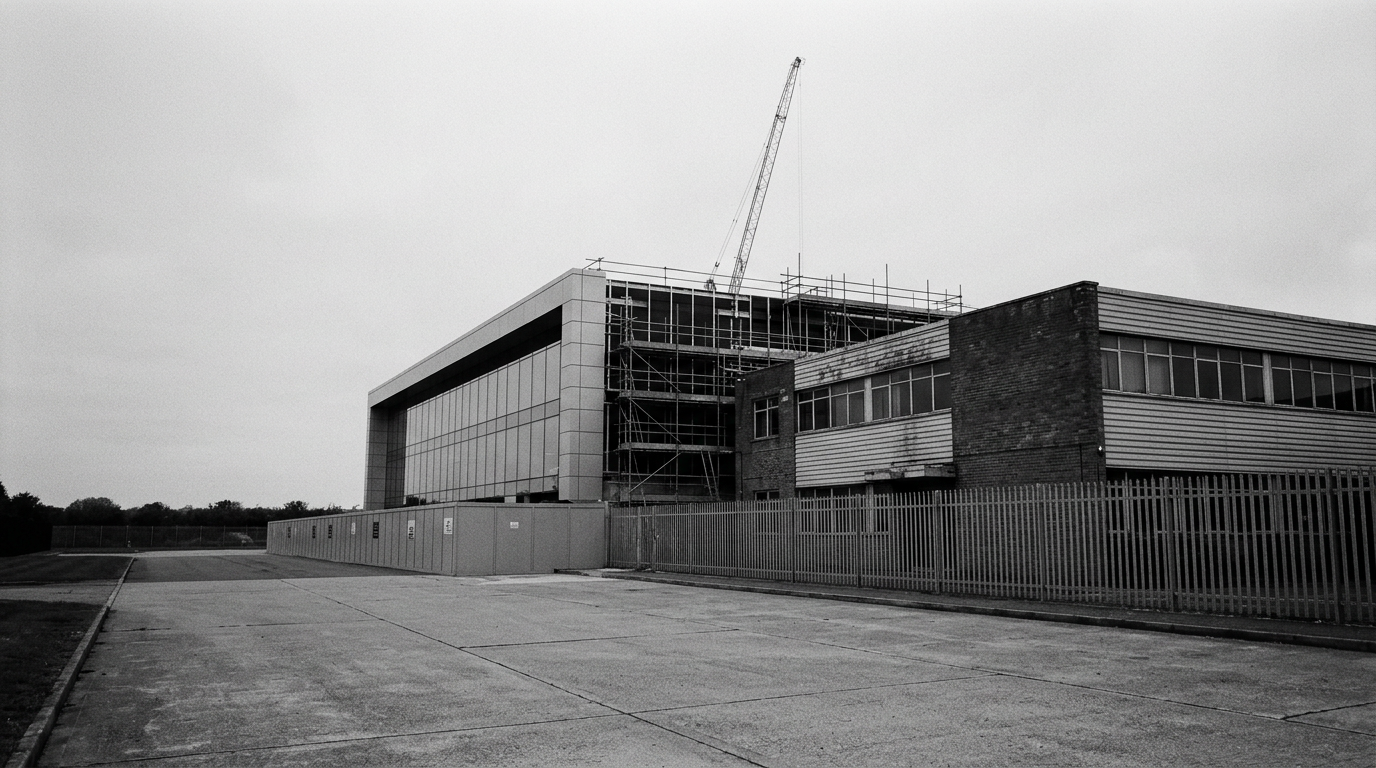
Williams Racing has begun redirecting capital away from immediate car development to overhaul and modernise its infrastructure, a decision shaped by Formula 1’s financial cost cap. With overall spending constrained across operations and performance work, the team says it must make hard choices about where limited resources can deliver the most durable benefit.
Management has linked the shift to what it describes as historic underinvestment at its Grove base, warning that outdated facilities leave the team exposed to competitive disadvantages. The organisation has indicated the remediation effort will take priority even if it limits how quickly it can pursue on-track gains.
Cost cap forces a trade-off between upgrades and performance Team Principal James Vowles said the regulations make Officials say the cost cap framework means modernising facilities and advancing the car cannot be funded at the same pace, even if both are needed. Team Principal James Vowles said the regulations make an urgent update of the Grove-based operation unavoidable, with the current state of the infrastructure no longer sustainable for a team trying to close performance gaps. As a result, Williams expects the reallocation of funds to weigh on its competitiveness during the 2026 Formula 1 season. The team has signalled that near-term lap time improvements are being deprioritised in favour of building a stronger technical platform for the future. 2026 start highlights the cost of limited development headroom The impact of constrained resources has been felt during a difficult opening phase of the 2026 campaign. Williams has pointed to problems including an overweight car and a delayed build, issues that reduced momentum early in the season and narrowed the window for rapid fixes.
Williams Racing
The team has also cautioned that the infrastructure transition is not a short project. Operational limits mean the move to modernised facilities will span multiple years, and Williams has acknowledged that progress will require sustained effort rather than a turnaround delivered in a few months.
Hungarian Grand Prix result underlines current struggles
At the Hungarian Grand Prix, Williams’ near-term challenges were evident in the finishing positions. Alex Albon ended the race in 17th and Carlos Sainz finished 18th, with both drivers classified two laps down.
After the first half of the 2026 season, Williams sits ninth in the constructors’ standings with 11 points. The team’s messaging indicates that these results are being weighed against what it considers necessary structural work to support future competitiveness.
Multi-year modernisation framed as a foundation-building plan
Williams says it remains committed to steadily improving its foundational capabilities, even if the short-term cost is slower performance progress on track. The strategy centres on fixing infrastructure shortcomings first, then using a stronger technical base to support sustained development within cost cap limits.
For now, the team is presenting the approach as a long-term investment decision: accepting immediate sacrifices to reduce vulnerabilities created by facility deficiencies, while aiming to ensure it can compete more effectively once modernisation work takes hold.
Implications
Country Impact: The changes centre on Williams’ Grove-based operation, where the team says outdated facilities require urgent modernisation. A multi-year infrastructure push may reshape how the organisation prioritises its work under the cost cap.
Industry Impact: The decision highlights how the Formula 1 cost cap can force teams to choose between operational upgrades and immediate performance development. Williams’ approach underlines the importance of facilities investment as part of maintaining competitiveness within spending limits.
Market Impact: For stakeholders tracking competitive performance, Williams is indicating that short-term results may remain under pressure while funds are channelled into infrastructure. The timeline is uncertain beyond the acknowledgement that the transition will take multiple years.