Mass Afghan Deportations Ignite Humanitarian Crisis
Pakistan and Iran have deported six million Afghan nationals since 2021, creating a severe humanitarian crisis in Afghanistan, straining resources and…
Lauren Collins ·
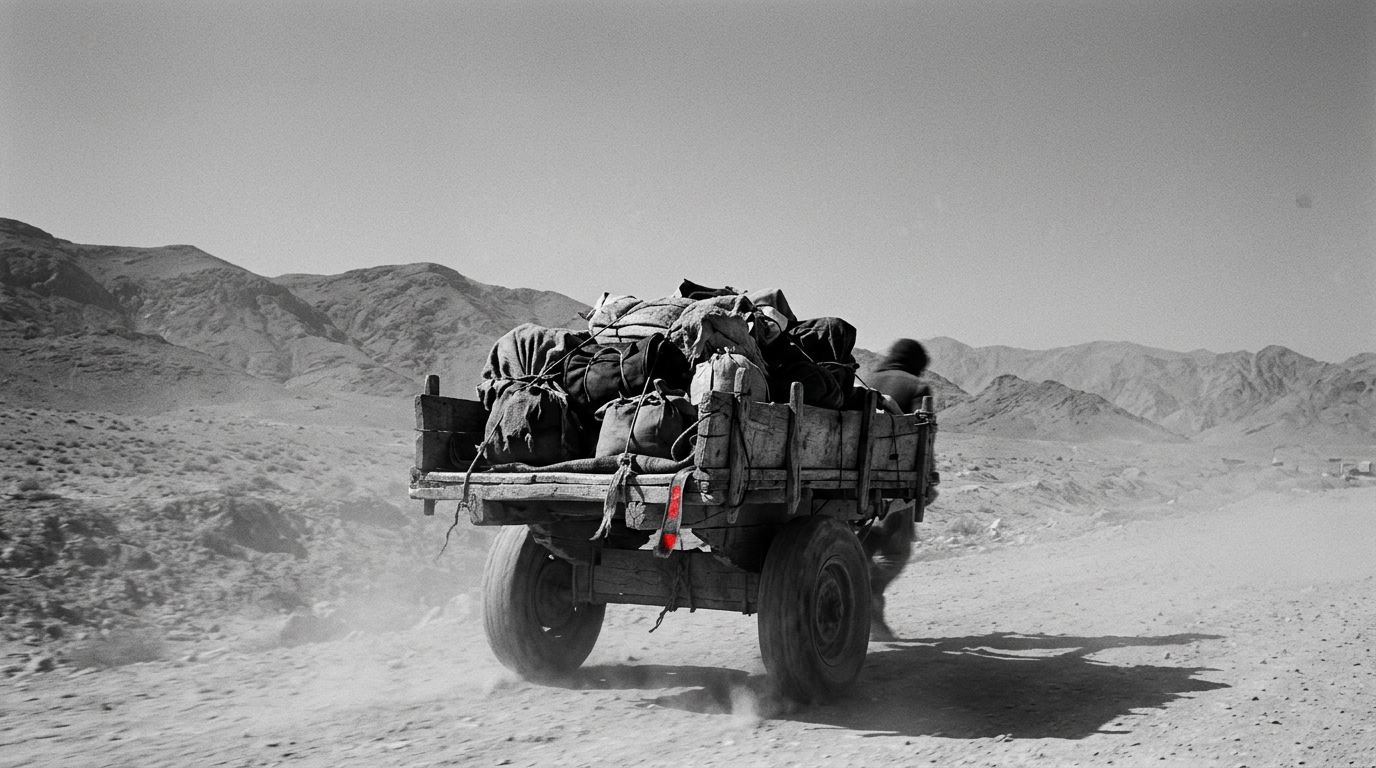
An estimated six million Afghan nationals have been expelled from Pakistan and Iran since 2021, initiating a large-scale cross-border migration that is severely testing Afghanistan's already fragile infrastructure and humanitarian response capabilities. This year alone, one million individuals have returned to Afghanistan, as neighboring countries escalate measures against both undocumented and registered migrants.
These extensive displacements are largely driven by state-led security operations and administrative pressures. Pakistan has cited security concerns and economic strain as primary justifications for its policies, while Iran has linked Afghan migration to broader national security narratives, particularly following recent regional geopolitical escalations. The measures have resulted in systematic deportations, often involving door-to-door raids and the revocation of residency status for Afghan residents.
Overwhelmed Afghan Capacity
The influx of returning nationals poses an immense humanitarian challenge for Afghanistan. The nation critically lacks adequate infrastructure and resources to effectively absorb a population movement of this magnitude. Many returnees, including those born and raised in exile, face immediate displacement, significant food insecurity, and severely limited access to essential services such as shelter and healthcare.
The current administration in Afghanistan is reportedly ill-equipped to manage the absorption and integration of its returning citizens. With no indications of a policy reversal from either Pakistan or Iran, the continuous flow of returnees is projected to persist. This sustained pressure threatens to further destabilize the local economy and exacerbate humanitarian needs across Afghanistan.
Escalating Vulnerabilities and International Response
The United Nations High Commissioner for Refugees (UNHCR) has highlighted that a return movement of this scale is unprecedented in recent history, underscoring the severity of the humanitarian situation. The ongoing mass deportations significantly increase the vulnerability of those returning to Afghanistan, particularly for women and former security personnel, who may face heightened risks of persecution under the current governing administration.
The UNHCR consistently advocates for the humanitarian principle that any return should be voluntary, ensure safety, and preserve dignity for all individuals involved. The organization provides temporary shelter and aid to those arriving without alternative resources or support. A critical question remains regarding Afghanistan's capacity to withstand the prolonged pressure from these mass returns. The nation's fragile economy and nascent social structures face an uncertain future as they grapple with the continuous arrival of millions of displaced individuals. The international community continues to monitor the situation, recognizing the urgent need for humanitarian assistance and long-term solutions.
This ongoing crisis also draws attention to the broader geopolitical dynamics within the region. Pakistan and Iran's actions, while framed as national security or economic imperatives, create ripple effects that extend beyond their borders, impacting regional stability and global humanitarian efforts. The lack of robust international frameworks to manage such large-scale, forced migrations further complicates an already dire situation, placing immense pressure on the Afghan people and the limited aid organizations operating within the country.
Historical Context of Displacement
Afghanistan has a long history of displacement, stemming from decades of conflict and instability. The Soviet-Afghan War in the 1980s, the subsequent civil wars, and more recent conflicts have all led to significant refugee populations in neighboring countries, particularly Pakistan and Iran. Many of these refugees have lived for generations in host countries, establishing lives and contributing to local economies. The current wave of deportations represents a reversal of decades of integration, forcing individuals with no recent ties to Afghanistan back into a country that is itself struggling with internal challenges and economic hardship.
This mass repatriation not only exacerbates humanitarian needs but also has profound social and psychological impacts on the returning populations, many of whom have never known life outside of their host countries. The abrupt return disrupts established communities, separates families, and creates immense challenges for reintegration into an unfamiliar environment. The international community's role in providing sustained support and advocating for humane treatment of displaced populations remains crucial in mitigating the long-term consequences of this crisis.