Syria Electricity Supply Improves Amid Reform
Syria's electricity supply is stabilizing through increased oil production and international energy deals, though high costs and bureaucratic hurdles…
Atlas Newsdesk ·
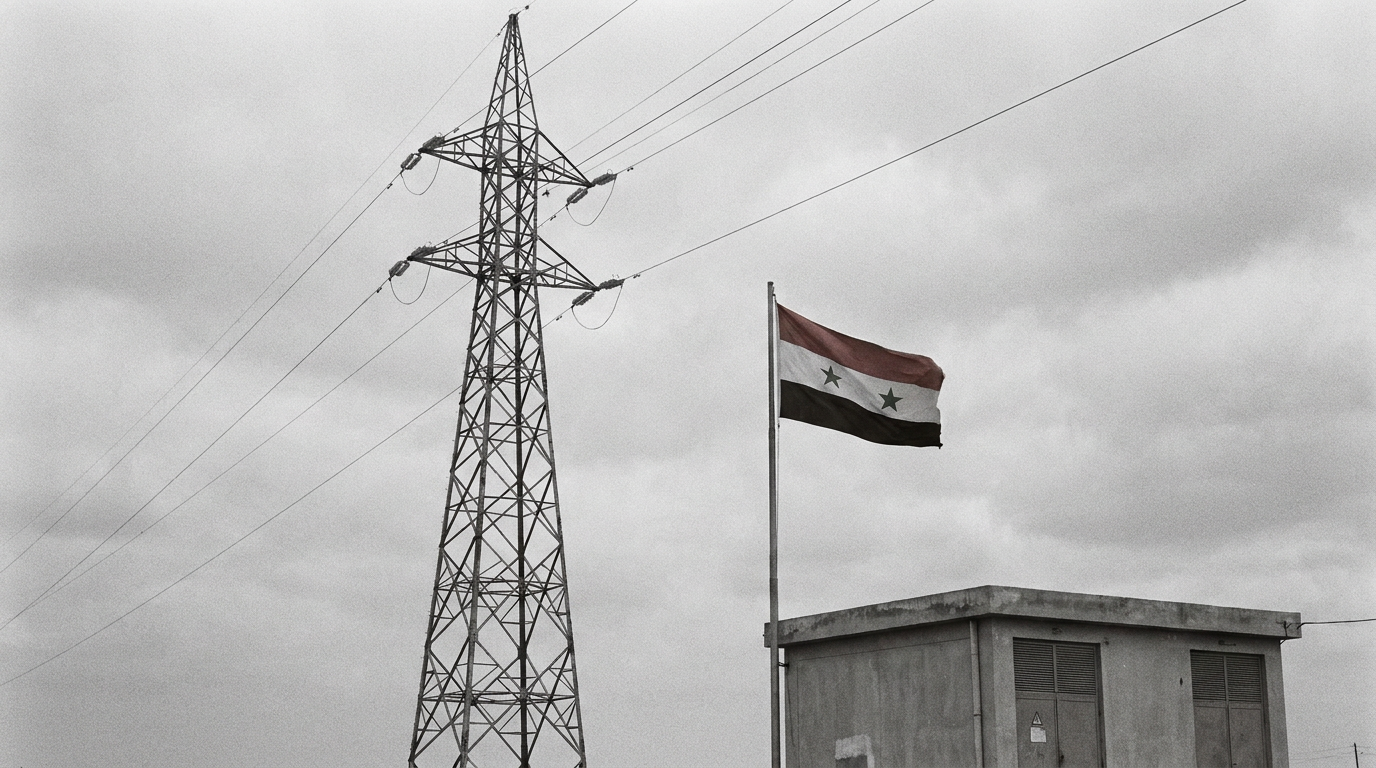
Syria's power grid is showing signs of stabilization as the government increases domestic oil production and secures international energy agreements. Residents in Damascus report an increase in state-provided electricity to five or six-hour intervals, a notable shift from the chronic shortages experienced during the previous decade of conflict. The recovery is driven by a significant surge in oil output from northeast regions, which has risen from 10,000 barrels per day (bpd) under previous control to 100,000 bpd currently, with projections reaching 200,000 bpd by year-end. This production increase, coupled with a $7 billion energy deal signed in May 2025 with Qatari, Turkish, and U.S. firms, has been facilitated by recent Western sanctions relief. Additionally, a $146 million World Bank grant approved in June 2025 is currently funding infrastructure rehabilitation.
Despite these gains, systemic challenges persist. High initial costs for solar alternatives remain prohibitive for the 90 percent of the population living below the poverty line. Furthermore, bureaucratic friction within the Syrian Petroleum Company and ongoing fuel distribution bottlenecks continue to impede full grid restoration. While the current administration has restructured consumer tariffs to manage demand, energy affordability remains a primary concern for households as the nation attempts to transition from emergency reliance on private generators to a functional state-led utility model.