Italian football chief resigns after World Cup miss
Italian football chief Gabriele Gravina resigned April 2 after Italy missed the World Cup for a third straight time; FIGC votes June 22.
Mehmet Şahinoğlu ·
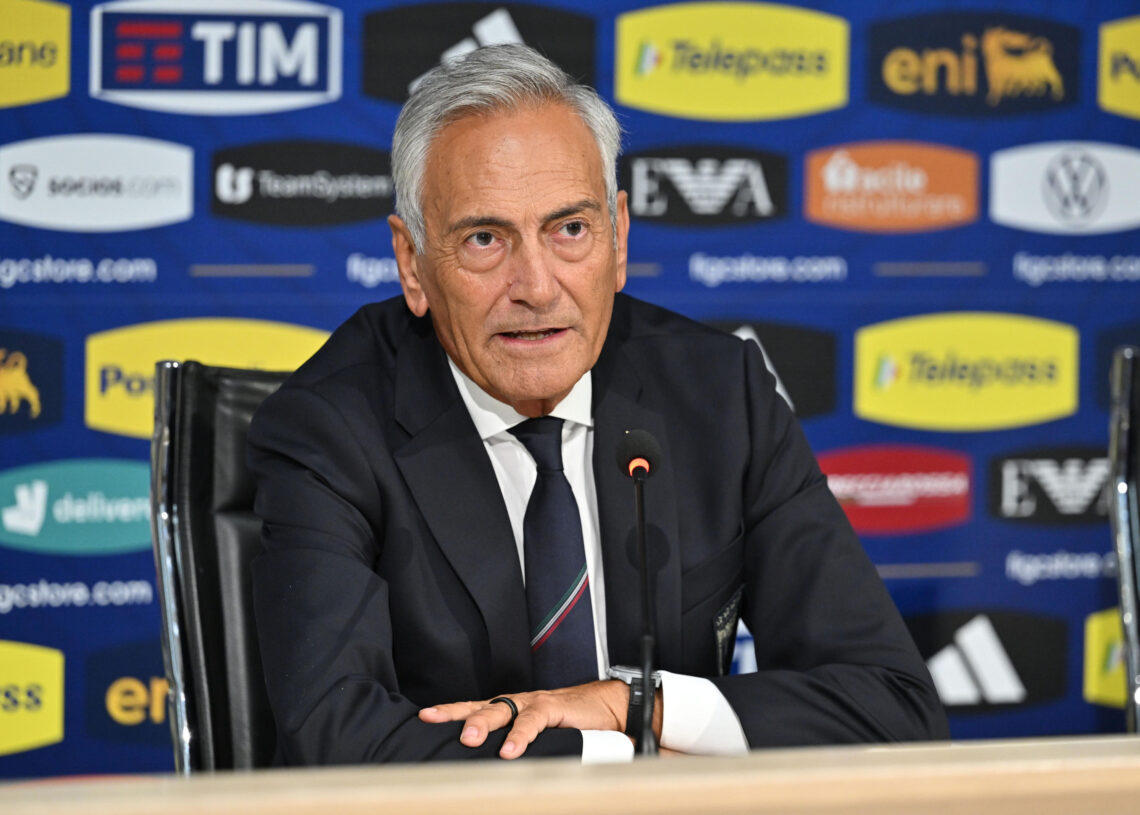
Italy’s football leadership shifted on Thursday, April 2 , after Gabriele Gravina resigned as president of the Italian Football Federation (FIGC). The move followed Italy’s failure to qualify for the FIFA World Cup for a third straight time, a setback that has sharpened debate over how the national team is run and how the wider system is managed.
Officials said Gravina had been under mounting pressure to leave after Italy lost to Bosnia and Herzegovina on penalties on March 31. Gravina had led the FIGC since 2018, and his departure now triggers a formal process to choose new leadership at the top of Italian football.
The FIGC said it will hold an extraordinary assembly on June 22 to elect a new president. Until that vote, attention is expected to remain on how the federation responds to the latest qualification failure and what immediate steps are taken to stabilize the national setup.
Gravina’s time in office included Italy’s Euro 2020 triumph, a high point that contrasted with repeated World Cup qualification disappointments. The resignation underscores how the federation’s recent record has been judged not only by tournament wins, but also by the inability to reach the sport’s biggest global event.
Leadership changes extended beyond the federation president. Former goalkeeper Gianluigi Buffon, who served as the national team delegation head, also announced his departure via social media, according to the information provided. The dual exits have intensified scrutiny of the national team’s direction and the governance around it.
Italy last qualified for the World Cup in 2014, and officials noted the team has won only one match at the finals since securing its fourth title in 2006. Those figures have become central to the public discussion about performance standards and the gap between Italy’s historical status and its recent results.
The resignations have also increased focus on national team manager Gennaro Gattuso, as calls grow for a comprehensive restructuring of Italian football. What remains uncertain is how quickly the FIGC can translate leadership turnover into concrete changes, and whether the next president will pursue continuity or a broader overhaul.