Youth Vapes Fill With Potent Synthetic Cannabinoids
Synthetic cannabinoids in youth vapes pose severe health risks, including psychosis and cardiac arrest, due to their high potency and unregulated nature.
Atlas Newsdesk ·
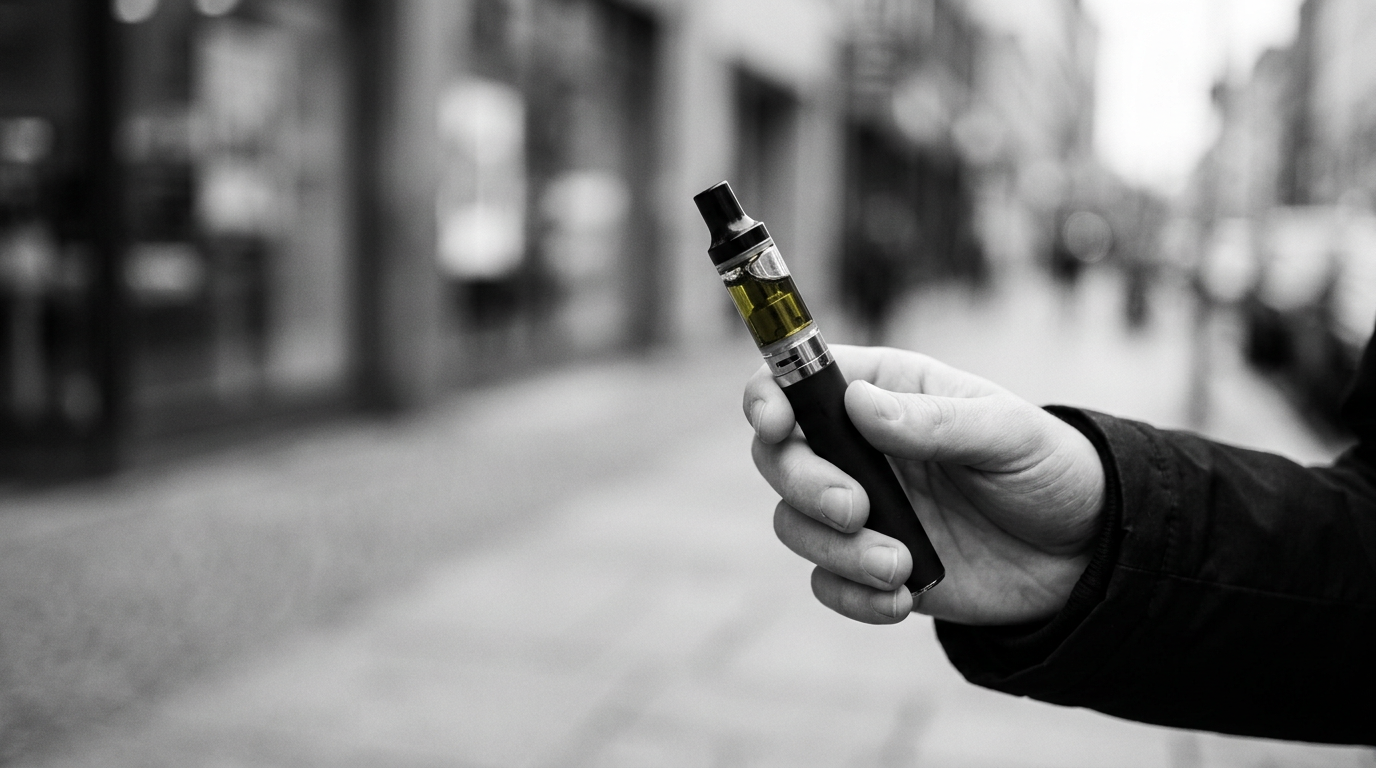
Synthetic cannabinoids, commonly known as spice, are increasingly detected in vaping products marketed to minors. Analytical testing of confiscated school vapes indicates that up to 25% of samples in certain regions contain these substances, despite being sold as nicotine or cannabis products.
Market availability is facilitated by social media platforms, where illicit vendors bypass age-verification protocols. Research suggests that products advertised as THC or CBD via these channels carry a high probability of containing synthetic substitutes, with some estimates reaching 68% for specific platforms.
Unlike natural cannabinoids
Unlike natural cannabinoids, synthetic variants act as full agonists on human receptors, resulting in significantly higher toxicity. Clinical risks include acute psychosis, hypertensive crises, seizures, and cardiac arrest. The rapid onset of these effects increases the likelihood of secondary injuries and emergency medical intervention.
Legislative efforts to regulate these substances remain challenged by the continuous development of new chemical variations. The lack of distinct odors in synthetic vapes complicates detection by parents and school administrators, contributing to rising addiction rates among adolescents.