Virunga National Park Establishes Ebola Screenings to Curb Outbreak
Virunga Park has opened six Ebola screening checkpoints in eastern DRC, deploying medics and rangers to support early detection and protect people and…
Atlas Newsdesk ·
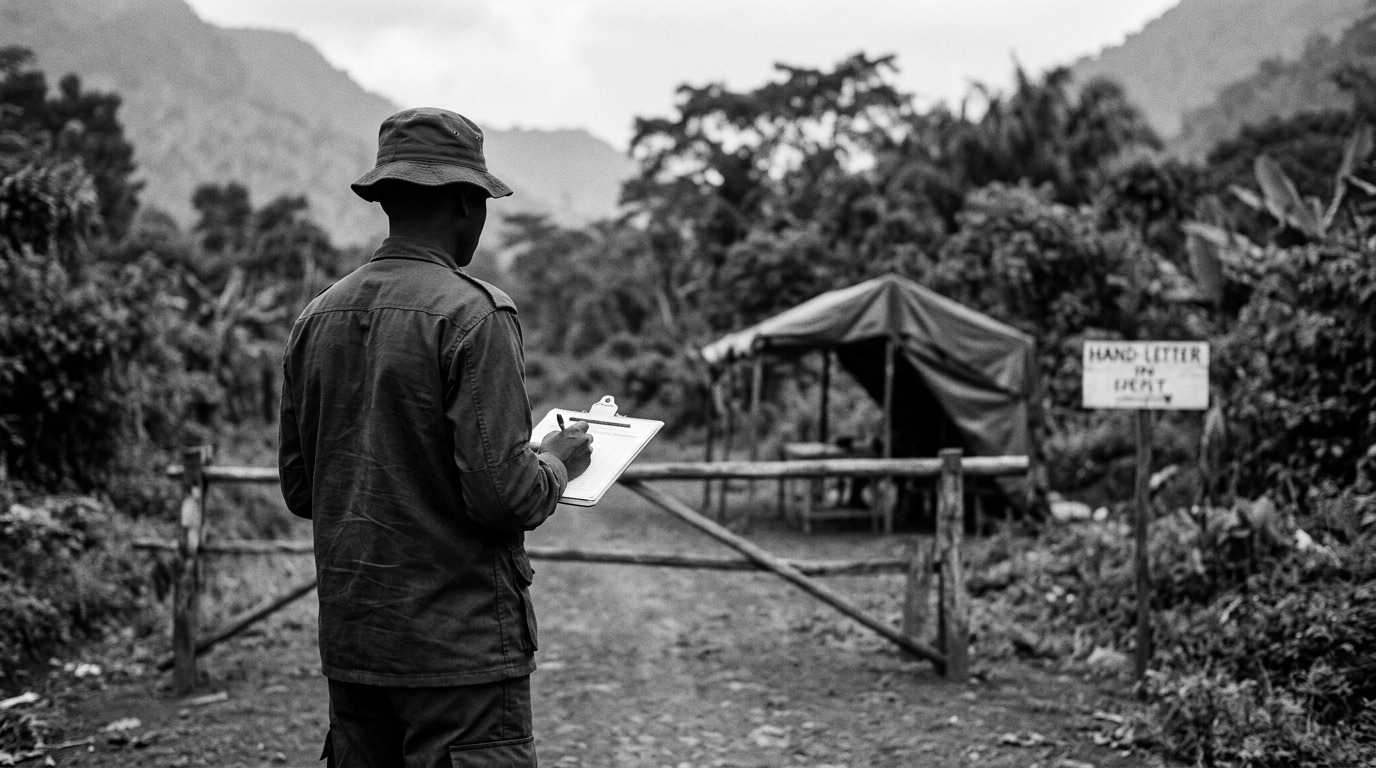
Officials at Virunga National Park in the Democratic Republic of the Congo (DRC) have introduced a network of health screening points designed to reduce the risk of Ebola spreading through the region. The program includes six checkpoints intended to monitor travel and identify possible cases early during the country’s 17th Ebola outbreak.
Park authorities said the measures are aimed at protecting nearby communities as well as the park’s endangered mountain gorillas and their habitat. Virunga’s protected forest spans 300km, and officials described it as a key geographic barrier that can help limit movement between affected areas in North Kivu and Ituri provinces.
Six checkpoints staffed by medics and rangers
According to park officials According to park officials, the screening system is being run by 40 paramedics and 80 rangers assigned to the six checkpoints. Each site includes basic controls intended to spot potential infections quickly and reduce transmission risks linked to travel.
The checkpoints feature temperature checks, handwashing stations, and isolation facilities, officials said. Park authorities reported that since the protocols were introduced, two suspected cases have been identified at the checkpoints and referred to health services.
Data sent to public health authorities for tracing Officials said information gathered at the checkpoints is transmitted directly to the Congolese National Institute of Public Health. The stated purpose of this reporting channel is to support contact tracing and enable earlier detection as travel is monitored.
Virunga National Park
The intervention was introduced after reports linked the current outbreak to more than 1,400 fatalities. Park authorities framed the checkpoint model as a practical tool for screening travelers moving through sensitive corridors, while also helping public health agencies act quickly on suspected cases.
Conservation concerns over transmission to gorillas
Conservationists said the effort is also focused on preventing disease spillover to wildlife. They underscored that mountain gorillas share over 90 percent of their DNA with humans, which they said increases susceptibility to diseases that can pass between species.
Virunga officials described the combined public health and conservation approach as necessary to safeguard both people and the park’s endangered gorilla population during the outbreak. However, officials did not provide additional details on how long the checkpoints will remain in place or whether staffing levels will change as the situation evolves.
Implications
Country Impact: The checkpoint network links park operations directly with the Congolese National Institute of Public Health through data transmission intended to support contact tracing and early detection. The initiative is positioned as a travel-monitoring tool during the DRC’s 17th Ebola outbreak, with uncertainty remaining over duration and scale.
Industry Impact: For conservation and protected-area management, the measures show how health screening can be integrated into park security and visitor or transit oversight while prioritizing endangered species protection. Conservationists highlighted the risk of disease transmission to mountain gorillas due to their close genetic similarity to humans.
Market Impact: The source material does not provide evidence of direct market impacts. Any broader economic effects would depend on how the outbreak and movement controls develop, which is not specified in the available information.