Israel Strikes Hezbollah Commander in Beirut, Targets Iranian Nuclear Site
Israel escalated regional tensions on March 12, 2026, by killing a Hezbollah commander in Beirut and striking an alleged Iranian nuclear facility.
Cuneyd Erdogan ·
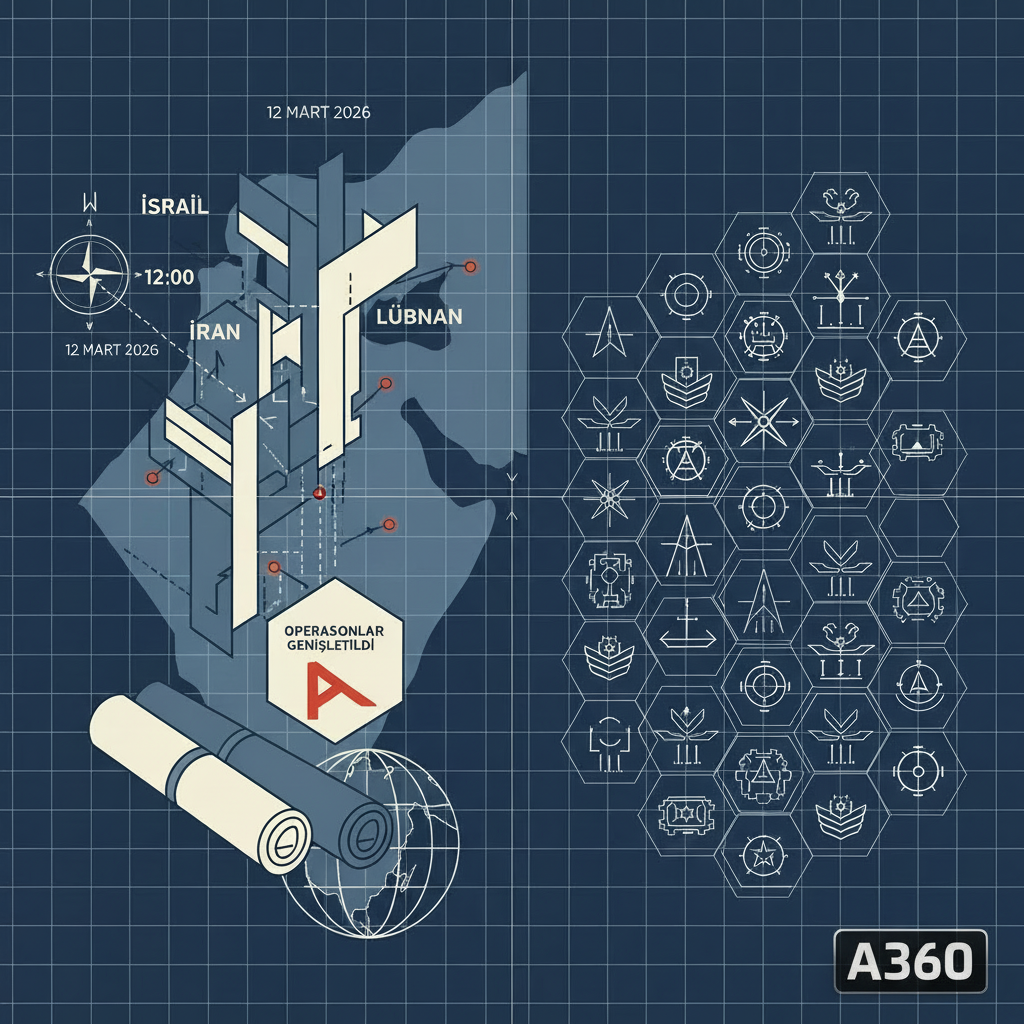
On March 12, 2026, Israel launched a series of significant military actions, including an airstrike in Beirut, Lebanon, that killed a high-ranking Iranian commander affiliated with Hezbollah's missile unit. Concurrently, Israel announced it had struck a facility in Iran believed to be linked to the country's nuclear activities. These coordinated attacks signal an escalation of Israel's military operations across the region.
The Israel Defense Forces (IDF) confirmed the death of Abu Zarr Mohammadi, a member of Iran's Islamic Revolutionary Guard Corps (IRGC), in the Beirut strike. According to the IDF, Mohammadi was instrumental in coordinating military efforts between Hezbollah and the Iranian regime, playing a crucial role in enhancing Hezbollah's missile capabilities. He was considered a "key authority" on Hezbollah's strategic weaponry.
In a separate operation, the Israeli military reported targeting the "Taleghan complex" near Tehran. The IDF claims this facility was utilized under Iran's clandestine AMAD Project for nuclear weapons development, serving as a site for advanced explosives research and sensitive experiments. This strike follows a previous targeting of the same facility in October 2024, indicating an ongoing effort to disrupt and weaken Iran's nuclear program.