Israeli Airstrikes Kill Four in Southern Lebanon
Israeli operations in southern Lebanon on Sunday, September 6, 2026, resulted in four deaths and 20 injuries amid escalating tensions despite an existing…
Lauren Collins ·
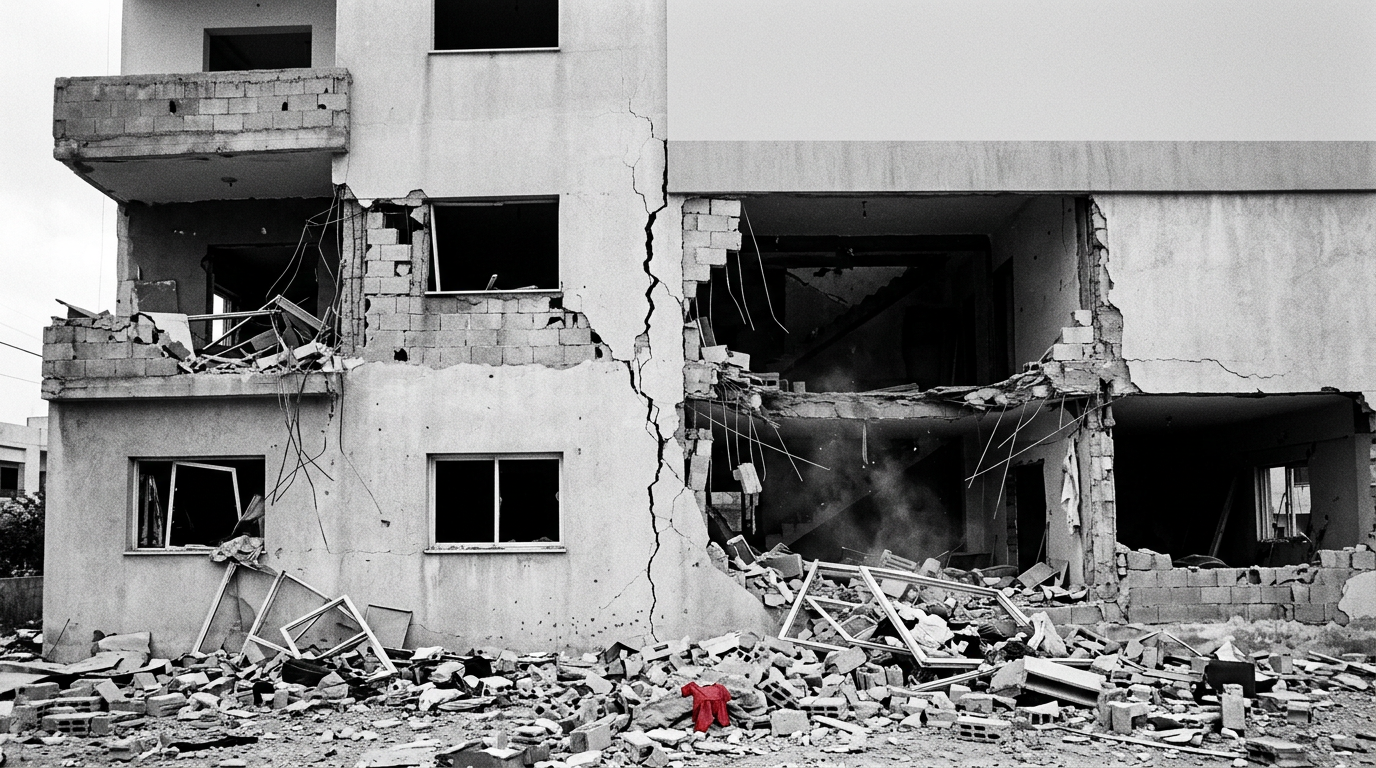
Israeli military operations in southern Lebanon on Sunday, September 6, 2026, led to the deaths of at least four individuals and left 20 wounded. The strikes, which hit locations including Nabatieh, Arab Salim, and Kfar Reman, represent a significant escalation in hostilities despite a previously established truce framework between the parties.
The actions by Israeli forces were described as a response to two drones launched by Hezbollah towards Israeli positions. This latest exchange follows a series of retaliatory strikes that have continued since a framework agreement was signed between Israel and Lebanon in June. The Lebanese National News Agency reported that the attacks caused extensive damage to civilian infrastructure, including a historic building in Nabatieh and the former residence of the Kfar Reman mayor.
Continued Escalation and Justification
Officials within the Israeli military stated that the airstrikes were a direct response to what they termed a clear violation of the ceasefire by Hezbollah. This justification underscores the volatile security situation along the border, where intermittent clashes have persisted even after the formal agreement.
The pattern of events suggests a fragile security environment, with both sides engaging in actions that risk broader conflict. The international community has consistently called for de-escalation, given the potential for wider regional instability.
Strategic Re-evaluation and Diplomatic Efforts
Amid the ongoing hostilities, Israeli security sources indicated that the military is considering a potential repositioning of its troops. Reports suggest a plan to withdraw forces approximately three to four kilometers closer to the Israeli border. This move aims to establish a new defensive line, partially pulling back from the current security zone situated north of the Litani River.
This proposed repositioning requires approval from Israel's political leadership. Concurrently, diplomatic efforts are underway, spearheaded by Qatar, to press for de-escalation. The status of territorial handovers to the Lebanese army remains a critical unresolved issue in these ongoing negotiations, further complicating stability.
Regional Context and Future Outlook
The latest events highlight the enduring challenges in maintaining peace and stability along the Israel-Lebanon border. The involvement of non-state actors like Hezbollah, coupled with the complex political landscape, makes any lasting resolution difficult. The destruction of civilian structures and the loss of life underscore the humanitarian cost of the protracted conflict.
Further diplomatic engagement and clear lines of communication will be essential to prevent future escalations. The international community continues to monitor the situation closely, recognizing that sustained violence in this region has broader implications for Middle Eastern security.