UK Councils Levy Fees on Community Outdoor Activities
Local authorities across England and Wales are imposing new permit fees on small, donation-based community activities in public outdoor spaces, impacting…
Lauren Collins ·
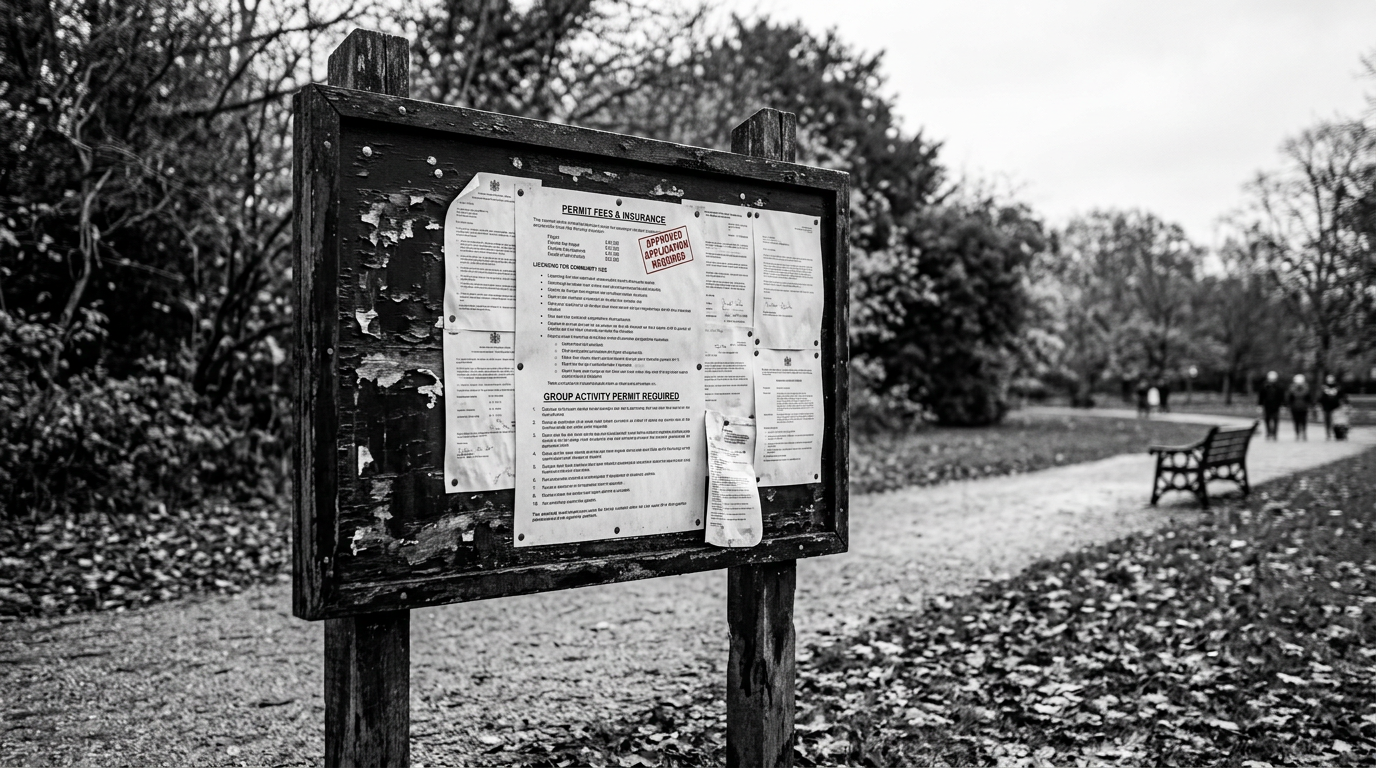
Local authorities across England and Wales are increasingly implementing permit and fee requirements for small, donation-based community activities in public outdoor areas. Nineteen councils have introduced these commercial licensing frameworks, according to a recent report by the Campaign for Freedom in Everyday Life. These regulations affect various groups, including yoga classes and mother-and-baby choirs that use parks and beaches for their activities.
Council officials state that these new requirements are necessary to ensure public safety, comply with insurance mandates, and recover expenses associated with maintaining public land. They assert that any activity involving payment or donations, regardless of its scale or whether it generates a profit, should be categorized as a commercial operation.
Impact on Community Initiatives
For many community organizers, the introduction of these administrative burdens and associated fees has become financially unsustainable. The costs frequently exceed the modest revenues generated by donation-based models, leading numerous groups to cease their activities. While some councils provide reduced rates for small businesses or registered charities, critics argue that the current fee structures are disproportionate to the actual services authorities deliver.
The regulatory landscape also shows considerable inconsistency. Some jurisdictions treat unlicensed activity as a civil matter, allowing for a more lenient approach. However, other areas, such as the London borough of Richmond, classify such actions as criminal offenses, which can result in fixed-penalty notices. This variance in enforcement creates additional uncertainty and difficulties for groups operating across multiple council areas.
Expanding Regulatory Scope
The Campaign for Freedom in Everyday Life highlighted that these licensing schemes, which initially targeted commercial personal trainers and larger organized events two decades ago, now encompass much smaller community gatherings. Examples include qigong classes with only seven participants and local mother-and-baby choirs. Councils justify the fees by explaining that they are designed to cover the administrative costs of operating these schemes, with any surplus funds reportedly reinvested into park maintenance.
One council spokesperson clarified that "All commercial operations require licences when trading on publicly owned land. Fees are set by business type and location and started at £300 for fitness activity." This statement underscores the administrative perspective driving these regulatory changes.
Future of Public Spaces
The broader implications of these policies suggest a potential decrease in the availability of accessible, low-cost community activities within public outdoor spaces throughout England and Wales. The ongoing public discourse centers on balancing the need to ensure public safety and cover land maintenance costs against preserving the significant social value and affordability of community-led initiatives in shared public areas. This situation raises questions about the future accessibility of public spaces for grassroots community engagement.